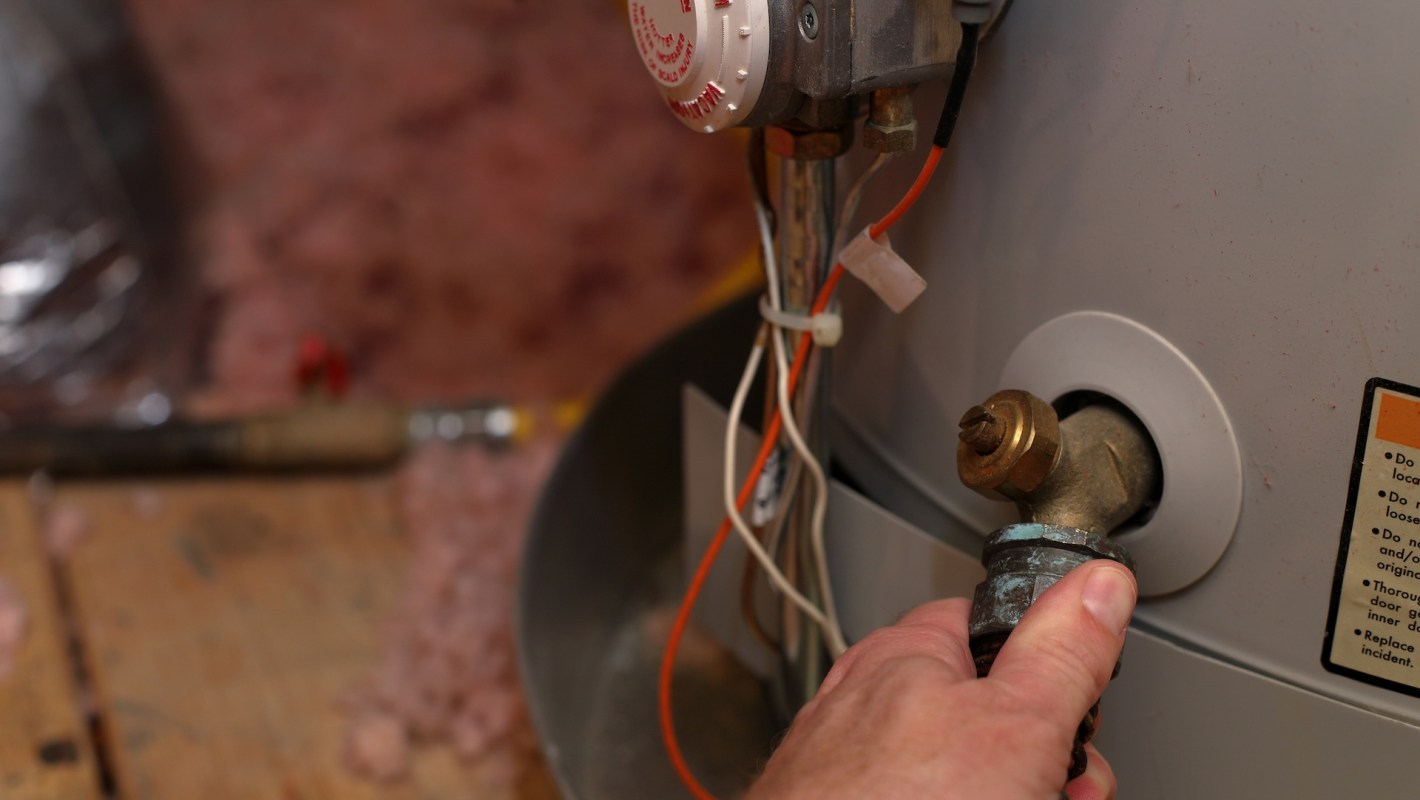
A homeowner asked a simple question about a water heater that had somehow made it through decades without a single flush — and the response was almost unanimous.
When an appliance lasts that long, commenters argued, routine maintenance can stop being routine and start to feel more like a risk.
Here's what to know
The question on Reddit came from a homeowner with a Kenmore Power Miser 9 40-gallon tank that, despite never being drained or flushed, had been "totally reliable." The poster said the heater had shown no leaks, strange sounds, or relief-valve issues, then asked whether there was any point in draining it now.
Most replies warned against it. The homeowner first pegged the unit at roughly 18 to 20 years old, then updated the thread after checking the label and finding a 1998 manufacture date — putting the water heater much closer to 30 years old.
While it's always a good feeling to get that many years out of an appliance, it's likely not nearly as efficient as newer models, especially heat pump water heaters, which are so efficient they can make a big difference in your energy bill.
More background
Tank water heaters are usually supposed to be flushed as part of regular upkeep, since removing sediment can help efficiency and longevity. Even so, people in the Reddit discussion said that advice changes once a unit has gone untouched for many years, because opening old valves or stirring up settled debris can create the very problems owners hope to avoid.
One commenter explained, "If you have a heavily worn shirt that you love, you don't throw it in the wash. If you have an 18-year-old water heater that's never been serviced, you don't touch that drain valve with a 10-foot pole."
One person suggested treating replacement planning as the real next step rather than trying overdue maintenance on a still-functioning heater. In practice, that meant budgeting for a new unit and ensuring "the pan, shutoff, drain, and connections are easy to access when that day eventually comes."
Save $10,000 on solar panels without even sharing your phone number Want to go solar but not sure who to trust? EnergySage has your back with free and transparent quotes from fully vetted providers in your area. To get started, just answer a few questions about your home — no phone number required. Within a day or two, EnergySage will email you the best options for your needs, and their expert advisers can help you compare quotes and pick a winner. Solar panels can save you more than $50k over their 25-year lifespan, and EnergySage can help you save as much as $10k on installation. Which begs the question — isn't that worth an email or two? |

A water heater failure can bring water damage, a rushed purchase, and years of higher energy bills if the replacement decision is made in a panic.
What can be done?
If you have an aging tank water heater, the safest approach may be to plan ahead instead of trying to service it late in life. Watch for rust, dampness, reduced hot water, or rising energy bills. Know where your shutoff valve is, and make sure the area around the unit is accessible before service is ever needed.
Planning ahead also gives homeowners time to compare installation requirements, incentives, and long-term savings before a breakdown forces a quick decision. For a household staring at a 1990s-era tank, looking into replacement options such as Cala could turn an eventual failure into a planned upgrade. Cala's customizable smart water heater can slash energy bills by heating water only when it's needed.
As one licensed plumber put it, "Realistically speaking, don't touch it, don't look at it weird, don't breathe too hard near it. Let it ride and replace when it fails."
Where can I learn more?
Each of these stories gets at the same dilemma raised in that Reddit thread — maintenance or replacement? They also look at newer water heater options that can trim energy bills once an old tank is too risky to mess with.
• Simple upkeep can keep your water heater running longer and avoid surprise costs.
• A retired plumber says heat pump water heaters deserve a closer look from skeptical homeowners.
• GE says its smart heat pump model can save homeowners hundreds each year.
• After four years, one homeowner showed how much he's saved by switching to a heat pump water heater.
The broader takeaway is that regular upkeep matters, but so does knowing when to leave an aging tank alone and plan for what comes next. A little preparation can turn a stressful breakdown into a more manageable upgrade.

Get TCD's free newsletters for easy tips, smart advice, and a chance to earn $5,000 toward home upgrades. To see more stories like this one, change your Google preferences here.