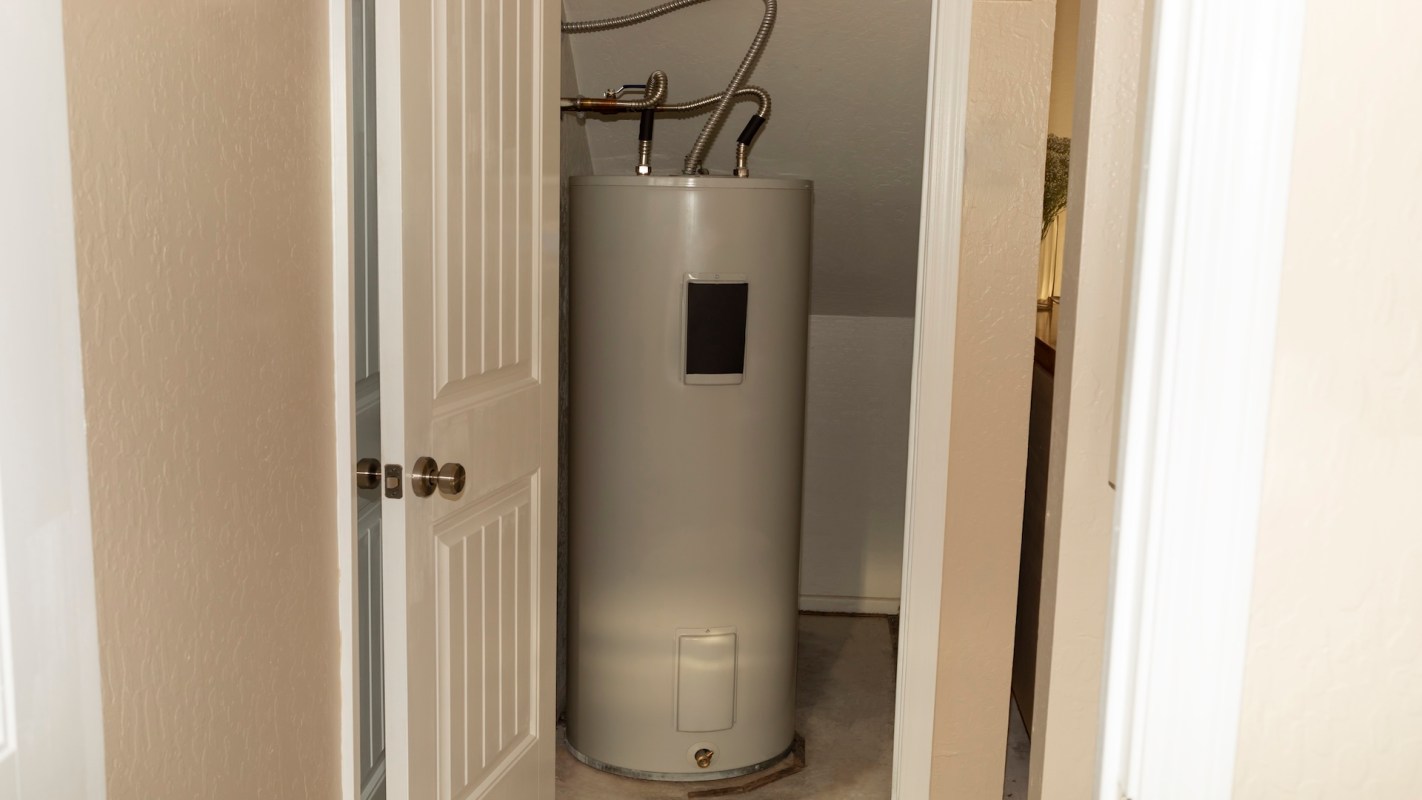
A strange smell around hot water can be easy to dismiss as a "new appliance" odor. But one apartment renter's experience with a newly installed water heater suggests that a sweeter, plastic-like scent may indicate something more concerning.
In this case, the issue may be less about the water heater itself than about part of the installation getting too hot — an early warning sign that a venting component or nearby material is heating up in a way it should not.
Here's what to know
In a Reddit thread posted to the r/Plumbing community, an apartment renter said a water heater marked as installed on August 6 seemed to be tied to a chemical smell that they noticed when using hot water.
The tenant said warm-water activities brought on "this plasticky chemical smell" that was "kind of sweet." The poster's brother also noticed it, describing part of the odor as "what a warm pool might smell like (those inflatable ones) with something else."
Replies quickly focused on the venting materials. One commenter wrote, "Tape on flue pipe is melting," adding in a later comment, "Not all tape is created equal. Check for UL listing. Trust but verify, ya know."
More background
A brand-new water heater can sometimes emit mild odors at first, especially if manufacturing residue, dust, or packaging materials are burning off. But a recurring smell that shows up specifically with hot water use stands out more, particularly when people describe it as sweet, plasticky, or chemical-like.
TCD Picks » Quince Spotlight
💡These best-sellers from Quince deliver affordable, sustainable luxury for all




In a gas water heater setup, the flue pipe carries hot exhaust away from the unit. If the wrong tape was used near that pipe, commenters suggested it could soften or melt when the heater runs. That would help explain why the smell appears only when the system is heating water.
Catching that kind of problem early can also help avoid wasted energy if the installation is sloppy, since poorly executed venting or follow-up repairs can keep a system from operating as efficiently as it should. That can show up as higher utility costs for the same hot water.
What can be done?
Do not ignore a smell that repeatedly appears when hot water is running. If it is strong, worsening, or tied to a gas appliance, it is worth documenting right away with photos and notes about when it occurs.
Rather than trying to patch it personally, renters should report the issue to maintenance or the property owner. As one commenter advised, "Check tape, verify if it is high temp rated. Document. Contact property owner."
If the installation involves a flue or other combustion-related parts, a qualified professional should inspect it. And if the work looks questionable, residents can also ask local officials whether the job required a permit or inspection.
The tenant eventually seemed to accept the tape explanation, writing, "I think it must be this, I searched up the tape on Google and it says it's not really rated for water heaters."
Where can I learn more?
A smell that seems minor at first can be an early sign that heat, venting, or nearby materials aren't functioning as they should. The stories below cover that spectrum, from chemical odors serious enough to make someone cut the power to simple maintenance that can keep a small issue from turning into a bigger expense.
• A homeowner shut off power after a chemical smell turned alarming near a water heater.
• One shoddy installation erupted into a campfire-sized flame as burning plastic odors spread.
• Routine upkeep can save you some money before minor heater issues grow costlier.
A sweet or plasticky smell when using hot water is one of those warnings that shouldn't be shrugged off. Getting the source checked sooner can help head off a dangerous repair and the wasted energy that often comes with a bad install.

Get TCD's free newsletters for easy tips, smart advice, and a chance to earn $5,000 toward home upgrades. To see more stories like this one, change your Google preferences here.