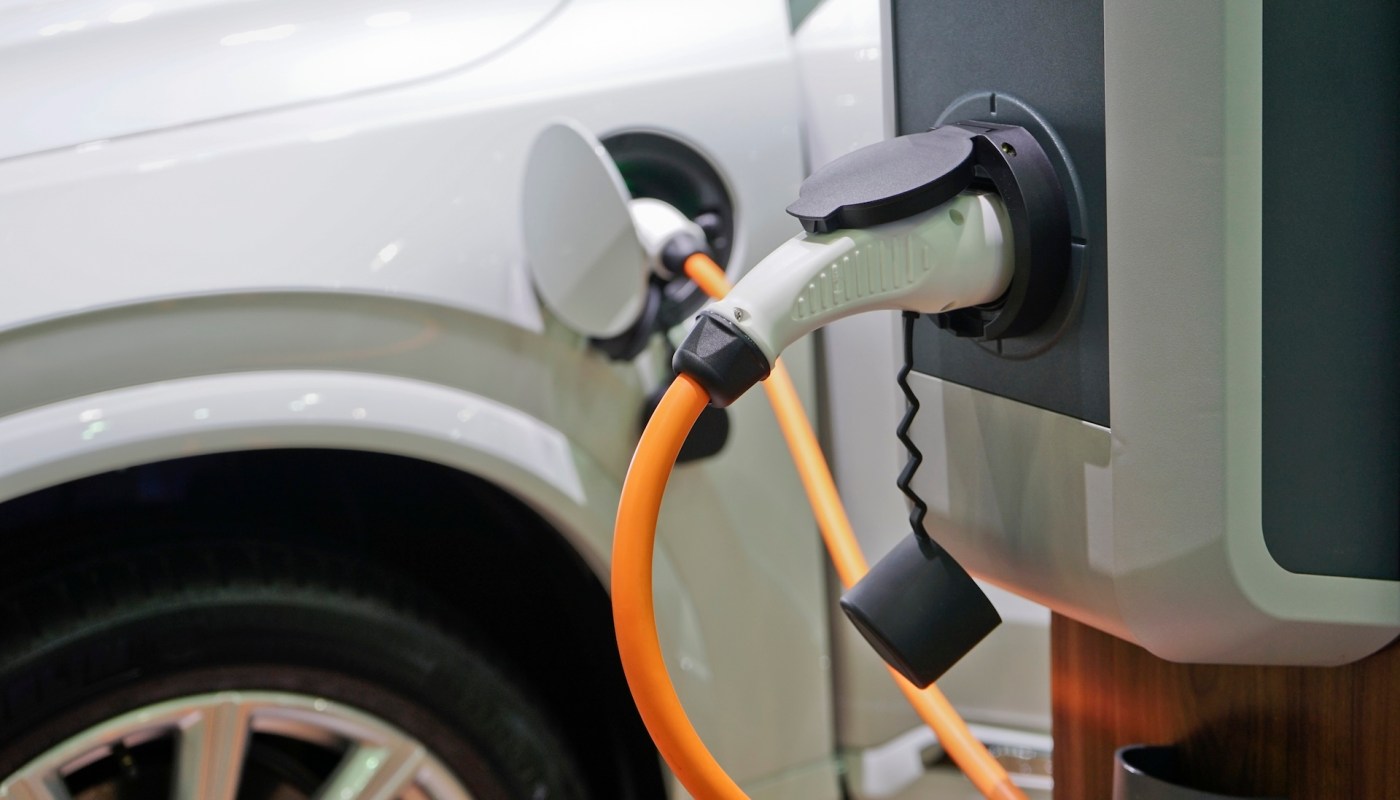
A round of vandalism at a shopping center in the Sydney metropolitan area has left EV drivers frustrated as multiple public charging cords appear to have been slashed.
Here's what to know
Footage posted on TikTok by Sydney station 2GB with Ben Fordham Live drew attention to the damage at the Bankstown shopping center. In the 2GB Sydney post, the station described "an alarming number of EV chargers slashed" and said that "It's suspected the thieves are stripping the copper from inside the cords and reselling it."
@2gb_sydney Vandals have caused a headache for EV drivers! A shopping centre in Bankstown has been set upon, with an alarming number of EV chargers slashed. It's suspected the thieves are stripping the copper from inside the cords and reselling it. #ev #bankstown #sydney #evcharger ♬ original sound - 2GBSydney
If that suspicion is correct, the chargers would be the latest target in a broader pattern of metal theft, with vandals potentially destroying expensive equipment for a relatively small resale payout.
Fordham spoke with one of the station's listeners, Peter, who said, "I thought I was dreaming when I saw it. I didn't even think it was possible. I was shocked. They didn't get caught or anything."
The damage is more than an eyesore. For EV drivers, the impact is immediate should they need a little extra power to get home, finish a workday, or complete a longer trip. It takes useful community infrastructure offline, leaving drivers scrambling when they are expected to charge while shopping or running errands. Suddenly, they've been cut off from their options.
More background
Public charging plays an important role, even for people who do most of their charging at home. Apartment residents, renters, people without dedicated parking, rideshare drivers, and anyone traveling outside their usual routine often rely on chargers at shopping centers and other public locations.
TCD Picks » Quince Spotlight
💡These best-sellers from Quince deliver affordable, sustainable luxury for all




When charging stations are damaged, shopping centers and nearby businesses can lose customer traffic, repair costs can rise, and communities are left with broken equipment that signals neglect instead of progress.
Reliable charging helps make lower-pollution transportation more practical, especially in dense urban areas. Damaging that infrastructure does not just inconvenience drivers — it can also slow efforts to build cleaner, more resilient neighborhoods.
The comments under the post showed how quickly economic strain and public frustration became part of the conversation.
One commenter wrote, "Cost of living. This will happen."
Another added with a crying-face emoji, "Get an EV they said."
What can be done?
At the site level, operators and property owners may need to protect charging hardware more aggressively. Better lighting, camera coverage, regular inspections, visible security patrols, and charger designs that make copper harder to access could all help reduce the appeal of theft.
Drivers who find damaged chargers can notify the charging network or shopping center right away, which can speed repairs and prevent more drivers from arriving only to discover the equipment is out of service.
Relying on public charging can also require a backup plan. Checking charger status in an app before arrival, identifying an alternate nearby station, and avoiding letting a battery run too low before a planned stop can reduce the fallout from vandalism.
This kind of damage hurts shared spaces that are supposed to make everyday life easier. As one commenter summarized, "This is why we can't have nice things."

Get TCD's free newsletters for easy tips, smart advice, and a chance to earn $5,000 toward home upgrades. To see more stories like this one, change your Google preferences here.