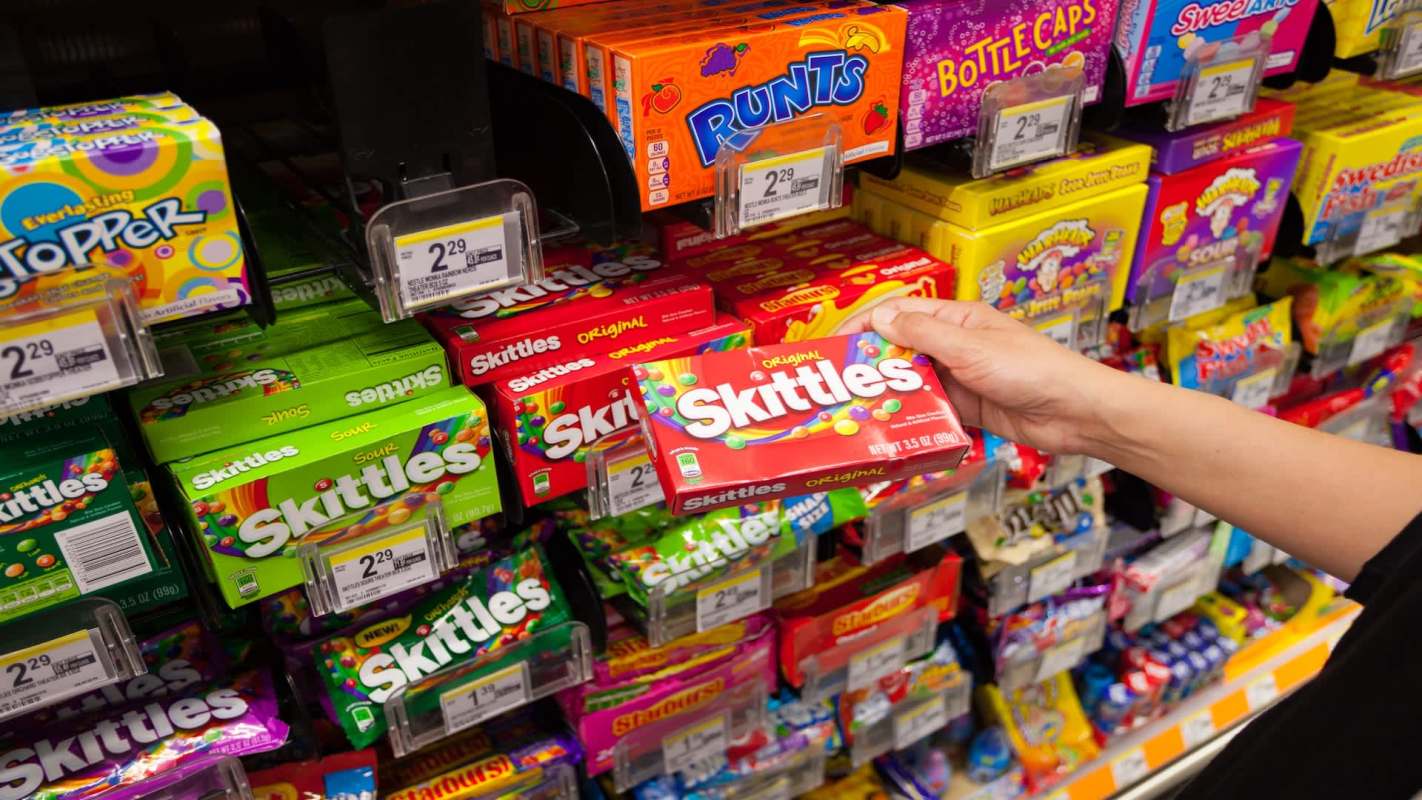
For now, South Carolina SNAP recipients will still be able to use their benefits on candy, soda and several other sugary products.
A state effort to limit those purchases is now on hold until Nov. 1, delaying a policy change tied to hundreds of thousands of households, according to the South Carolina Daily Gazette.
Here's what to know
Acting at Gov. Henry McMaster's direction, South Carolina sought federal approval to stop certain items from being bought through the Supplemental Nutrition Assistance Program, or SNAP.
The proposal received approval in December, but its start date has now been pushed back, the South Carolina Daily Gazette reported.
A letter issued by the state Department of Social Services indicated that the U.S. Department of Agriculture wanted South Carolina to wait until Nov. 1 to enact the changes.
During that period, the agency will review the federal court order and seek more feedback from retailers and SNAP recipients.
TCD Picks » Quince Spotlight
💡These best-sellers from Quince deliver affordable, sustainable luxury for all




Under the South Carolina plan, benefits could not be used for products including candy bars, energy drinks, and some sweetened beverages, such as ready-made lemonade, tea, and sweetened coffee. Items that were left off the banned list included granola bars, natural fruit and vegetable juice, sports drinks, and baked goods.
State Department of Social Services figures show that 230,439 South Carolina households receive SNAP benefits.
The program is available to people at or below 130% of the federal poverty level, which is $42,900 for a family of four, per the South Carolina Daily Gazette.
More background
The setback came after a June ruling from U.S. District Judge Amy Berman Jackson.
Jackson found that the USDA acted unlawfully in approving similar SNAP limits in Colorado, Iowa, Nebraska, Tennessee, and West Virginia.
The lawsuit also underscored how the restricted items fit into some people's daily health and caregiving routines.
A mother argued that many of the "safe" foods her autistic daughter will eat would have been removed under Tennessee's rules.
Another plaintiff maintained that juice boxes and small cans of soda help her manage diabetes-related blood sugar needs. A third said allergies prevent him from drinking coffee or tea, so he relies on low-sugar energy drinks.
Jackson noted that the legal definition of food for SNAP is set by Congress, not by the USDA.
"Congress defined what 'food' is supposed to be, and it did not authorize the agency to amend or waive the definition it enacted," Jackson wrote, per the South Carolina Daily Gazette.
Advocates for low-income families also objected to the proposed limits, stating that people who receive grocery assistance should be trusted to decide what their households need.
What's being done?
For now, the USDA has put the South Carolina plan aside without discarding it.
Food and Nutrition Administration administrator Shiela Corley confirmed the agency would publish a notice in the Federal Register and open a 30-day public comment period before deciding what to do next.
The department is also reviewing the broader court order as its appeal continues. Until those legal and administrative issues are resolved, SNAP purchases in South Carolina will continue to operate under the current rules.
The postponement gives retailers more time in case checkout systems eventually need to be updated, and it lets families keep more flexibility in how they use benefits while grocery costs remain high.
Jackson said her ruling was about the approval process, not necessarily the underlying goal.
"The federal defendants and the states may have a genuine desire to improve the health of SNAP households by encouraging healthy choices at the store, and they can take lawful steps to meet those goals," she wrote.
"But what they cannot do is violate the law and their own regulations along the way."
Where can I learn more?
South Carolina's SNAP fight is part of a broader push by states to regulate what people can buy, eat, and bring home in the name of public health.
The details vary, but similar debates are playing out in school meals, grocery aisles, and food packaging.
• In Delaware, lawmakers want to outlaw a popular food additive from school meals and snacks.
• In Montana, officials are moving ahead with a statewide ban on Styrofoam food containers.
• In Illinois, lawmakers approved a sweeping ban that could reshape food packaging.
• In California, the state has imposed a total ban on single-use plastic bags.
That's part of why the delay in South Carolina matters.
When one state runs into legal or practical hurdles over food rules, it can influence how similar efforts play out elsewhere.

Get TCD's free newsletters for easy tips, smart advice, and a chance to earn $5,000 toward home upgrades. To see more stories like this one, change your Google preferences here.