


A renter looking for a hotter shower wound up in a familiar gray area of apartment living: A simple comfort issue became a maintenance mystery.
How much are tenants expected to troubleshoot on their own? After personally adjusting the water heater and getting one satisfying shower out of it, the tenant said a follow-up visit from maintenance only made things worse.
Here's what to know
According to the renter's post on Reddit asking for help, the renter had asked maintenance for hotter water, waited about a week, then "turned it up myself" and got "ONE hot shower."
Maintenance later came by, made another adjustment, and replaced the shower cartridge. After that, the tenant wrote the showers were "lukewarm at best."
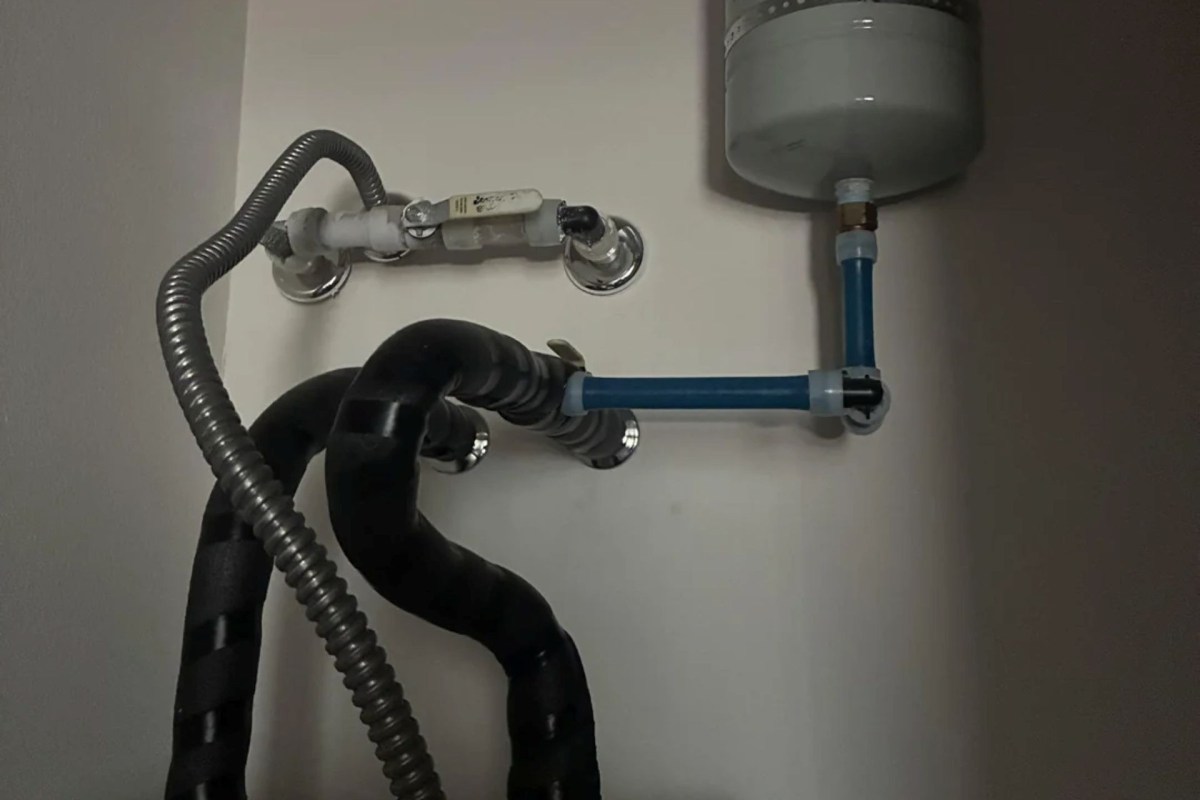
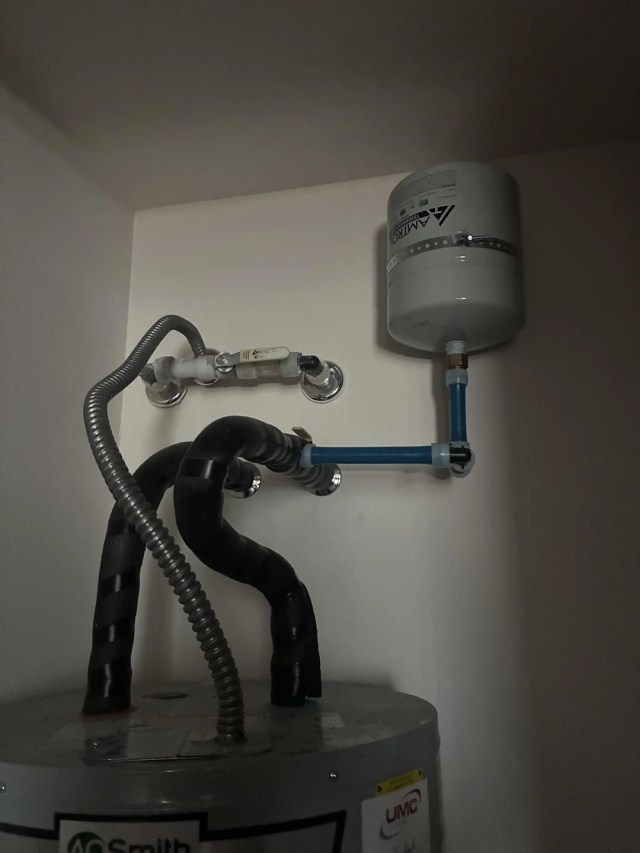
That outcome prompted the renter to ask whether a valve shown in a photo was the apartment's main shutoff and whether using it would allow them to remove part of the shower setup on their own.
Commenters offered blunt but useful guidance.
TCD Picks » Quince Spotlight
💡These best-sellers from Quince deliver affordable, sustainable luxury for all




One commenter wrote, "The top is main shut off for your unit. Bottom is to isolate your hot water side if the water heater fails."
"Depending on the shower cartridge all you may need to do is adjust the handle on the shower," another added. "They have a temp limit you can adjust as part of the trim. When they installed the new ones they probably set it back to "standard"."
A separate commenter also noted that hot water may be intentionally limited by code, writing, "There is likely a maximum allowable temperature as dictated by local codes. In Canada its 49° at the fixture."
More background
Tenants often pay for utilities or live with the consequences of poor building systems, but they may not have the authority to make even minor adjustments without risking lease violations or damage charges.
Hot water is a quality-of-life issue, but it can also affect household budgets. If a system is not functioning properly, residents may waste water trying to get the temperature right, and poorly managed building equipment can create frustration for everyone who shares it.
The situation also reflects a broader problem. Landlords and property managers across the country have prevented renters from adopting money-saving lifestyle changes, including gardening and hanging clotheslines to dry their laundry.
Restrictions on home systems, outdoor space, and building rules can leave residents with fewer options to cut costs and build healthier daily routines.
What can be done?
Documentation can make it easier to show that the issue was not resolved. Taking photos, noting what maintenance changed, and reporting the exact problem in writing can all help.
For bigger building-rule conflicts, renters may need to organize and negotiate rather than go it alone. People trying to work with landlords, associations, or boards on restrictive rules can check out the TCD Guide's page on how to change HOA bylaws for ideas on building support and pushing for practical policy changes.
Where can I learn more?
This shower complaint falls into a familiar renter dilemma: basic comfort problems that depend on a landlord or maintenance team to address. The examples here touch on the same mix of broken or restricted heating and cooling systems, murky repair timelines, and rules that keep tenants from fixing much themselves.
• In Arizona, renters in triple-digit heat may wait up to five days for AC repairs.
• A landlord's heat pump decision sparked debate after one renter questioned control over home heating.
• In Texas, a tenant said a landlord denied a simple air-conditioning request during brutal heat.
• Across the U.S., policy gaps leave renters without guaranteed cooling even as heatwaves intensify.
• In California, a renter sought ways for keeping a two-story house cool without soaring bills.
A lukewarm shower may sound minor, but it fits a broader pattern: renters' day-to-day comfort often comes down to slow repairs, restrictive policies, and who has the authority to make a change. That bigger picture can matter when a tenant is trying to document a problem and push for a fix that actually lasts.

Get TCD's free newsletters for easy tips, smart advice, and a chance to earn $5,000 toward home upgrades. To see more stories like this one, change your Google preferences here.






