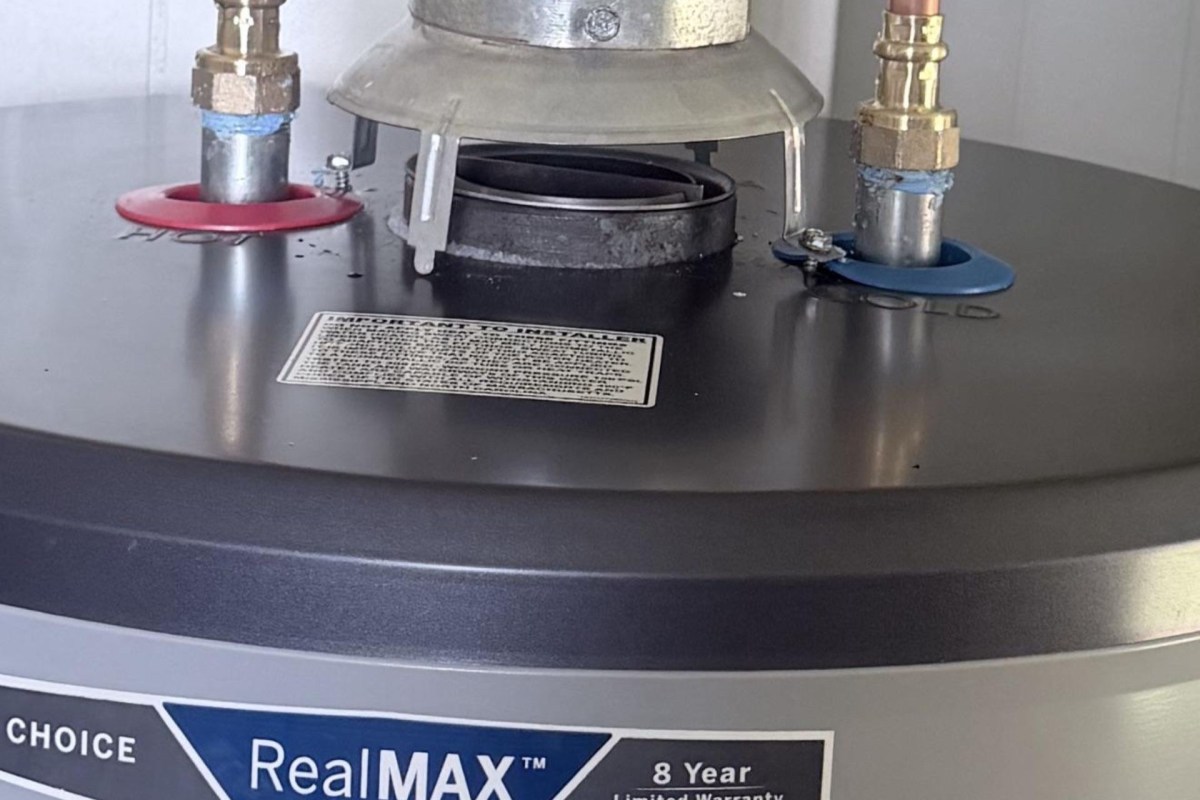
A small gap in a gas water heater vent can still raise a major safety issue. That was the concern in a Reddit post where the original poster asked, "Is this ok for a gas vented water heater, vent pipe was just a little short."
Here's what to know
The replies generally fell into two approaches: either adjust the draft hood so the existing pieces meet, or fix the vent pipe itself by extending or replacing it.
One commenter suggested a quick fix: "You could loosen the screws from the green cap. Drop it to the top of the tank. Then put new screws through the vent and cap. Should be about 3/4 of inch spare on the cap."
Another favored correcting the pipe fit instead, writing, "I'd replace the pipe or add a sleeved section so the shroud mountings are properly flush with the top of the water heater."
Even when the flue is only "just a little short," the opening can still become a route for carbon monoxide to escape.
More background
A gas water heater can be easy to ignore if it still seems to be doing its job. When hot water is coming out normally, a venting defect may go unnoticed until someone spots it.
TCD Picks » Quince Spotlight
💡These best-sellers from Quince deliver affordable, sustainable luxury for all




In a natural-draft setup, the draft hood and vent connector are what carry combustion byproducts up and out of the house. If that route is blocked, those gases can stay indoors instead of venting safely outside.
Spotting an obvious vent issue before it worsens can help avoid bigger problems.
What can be done?
A vent pipe that does not fully reach the draft hood, feels loose, or appears to have been modified just to fit may warrant a call to a licensed plumber or HVAC professional.
When the venting is installed correctly, the appliance is more likely to operate as intended.
Carbon monoxide alarms are also an important backup, especially in homes with fuel-burning appliances. They cannot correct an improper vent installation, but they can alert occupants if exhaust starts entering living areas.
Where can I learn more?
A problem with a single fuel-burning appliance can indicate broader indoor air safety issues. These articles examine how carbon monoxide exposure, gas leaks, and everyday combustion pollution can become serious when equipment is installed poorly or used without proper safeguards.
• A homeowner found 180 parts per million is too high near a new furnace.
• A tenant feared the landlord fixed a gas leak without addressing possible carbon monoxide exposure.
• Gas stoves can worsen indoor air quality and raise asthma risks at home.
That's why even a small vent gap deserves attention. Once exhaust or other combustion pollutants begin to linger indoors, the health risks can escalate quickly.

Get TCD's free newsletters for easy tips, smart advice, and a chance to earn $5,000 toward home upgrades. To see more stories like this one, change your Google preferences here.