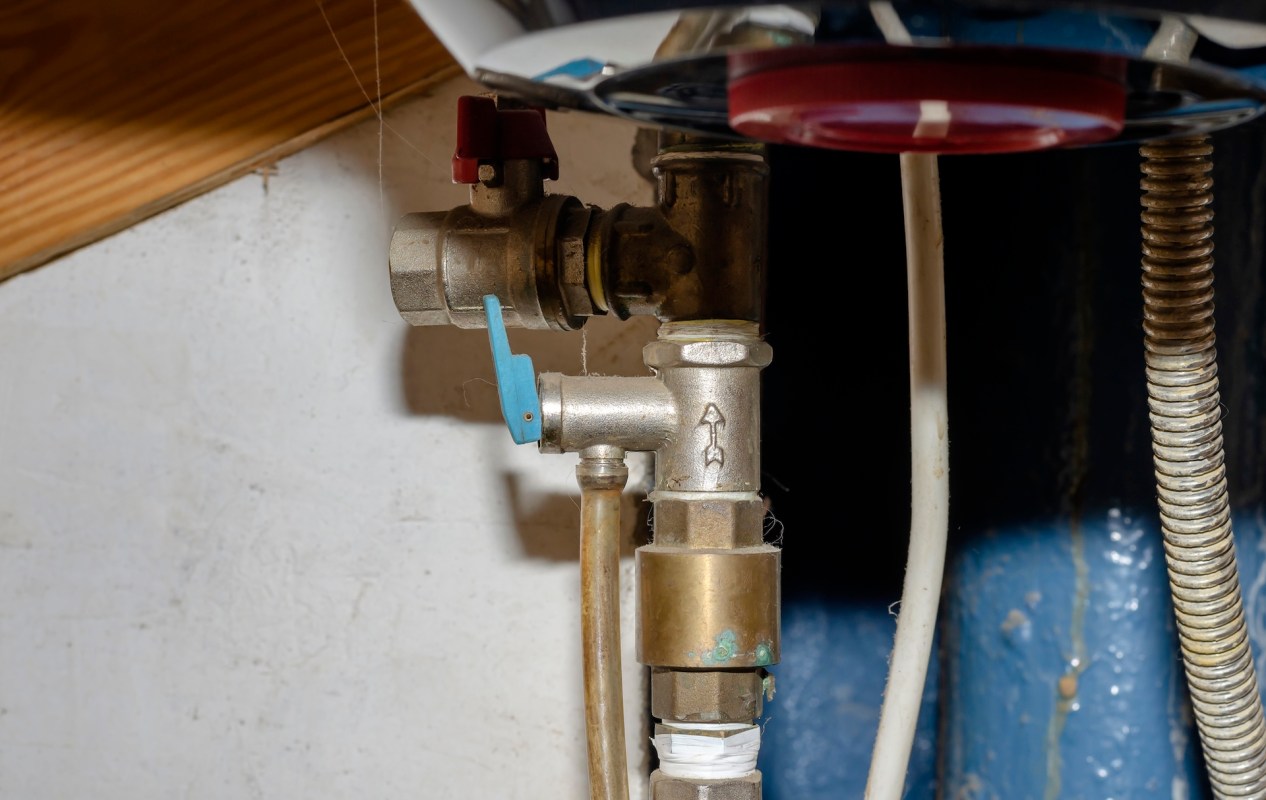
A decades-old hot-water problem turned out to trace back to installation. When a homeowner replaced a 28-year-old gas water heater, they learned the tank had apparently been connected in reverse the whole time.
Here's what to know
Writing in a post on Reddit, the homeowner said the old unit had spent nearly 30 years with the cold inlet and hot outlet swapped.
"That explains why we could never get any really hot water for any length of time," the original poster wrote.
According to the post, the installer handling the replacement said the new heater also needed to be hooked up the same way. The reason given was that switching it would send hot water to the toilets and outdoor spigots.
Still unconvinced, the homeowner said that explanation "doesn't make any sense to me" and asked others to weigh in.
Commenters overwhelmingly said it did not add up. One wrote: "Your 'plumber' was incorrect. Connecting the water heater 'backwards' does not make the water flow 'backwards' in the opposite direction."
TCD Picks » Quince Spotlight
💡These best-sellers from Quince deliver affordable, sustainable luxury for all




Another offered a more technical explanation, saying, "The only difference is that there's a tube on the cold inlet side that puts the cold water at the bottom of the tank. As it heats up the water naturally rises to come out of the outlet side at the correct temperature. The house water pressure pushes it through."
More background
A misinstalled water heater can create two costly problems at once: poor comfort and poor efficiency.
If hot water runs out too quickly, people may compensate by running the taps longer, adjusting the temperature, or assuming the appliance is simply old or undersized.
A bad installation can go unquestioned for years. A water heater is a major home system, and even a durable unit that lasts 28 years can underperform for its entire lifespan if the setup is wrong from day one.
Some commenters noted that fixtures can, in rare cases, be intentionally routed in unusual ways, but they still rejected the installer's explanation in this case.
"Find a different plumber," one commenter said bluntly, capturing the thread's mood.
What can be done?
If a new water heater is being installed, verifying which line is the cold inlet and which is the hot outlet before the job is finished can help prevent these problems.
Even if repiping takes extra work, getting the tank connected correctly can improve hot-water performance right away and help homeowners avoid paying to heat water that does not stay usable for long.
Warning signs can include lukewarm showers, rapid temperature drop-offs, inconsistent hot water at sinks, or a need to let water run for unusually long periods. Those symptoms can point to installation or plumbing issues, not just an aging appliance.
Where can I learn more?
This kind of problem shows up in other parts of the house too. These articles stay focused on hidden plumbing and energy issues that can quietly drive up costs for years.
• Homeowners can keep a water heater running efficiently longer with a few maintenance basics.
• A simple blue-dye toilet test can expose leaks that quietly inflate bills.
• A popular home heating hack can quietly drive up energy waste instead.
Small household oversights can lead to years of wasted water, energy, and money. If your hot water seems off or your utility bills keep climbing, these stories offer a few practical places to start before assuming you need all-new equipment.

Get TCD's free newsletters for easy tips, smart advice, and a chance to earn $5,000 toward home upgrades. To see more stories like this one, change your Google preferences here.