


A Seattle-area property owner thought they were asking about two aging heat pumps. The bigger issue that surfaced was one many homeowners eventually face: When a major home system is nearing the end of its life, how do you find a contractor you can actually trust before an emergency strips away your options?
Here's what to know
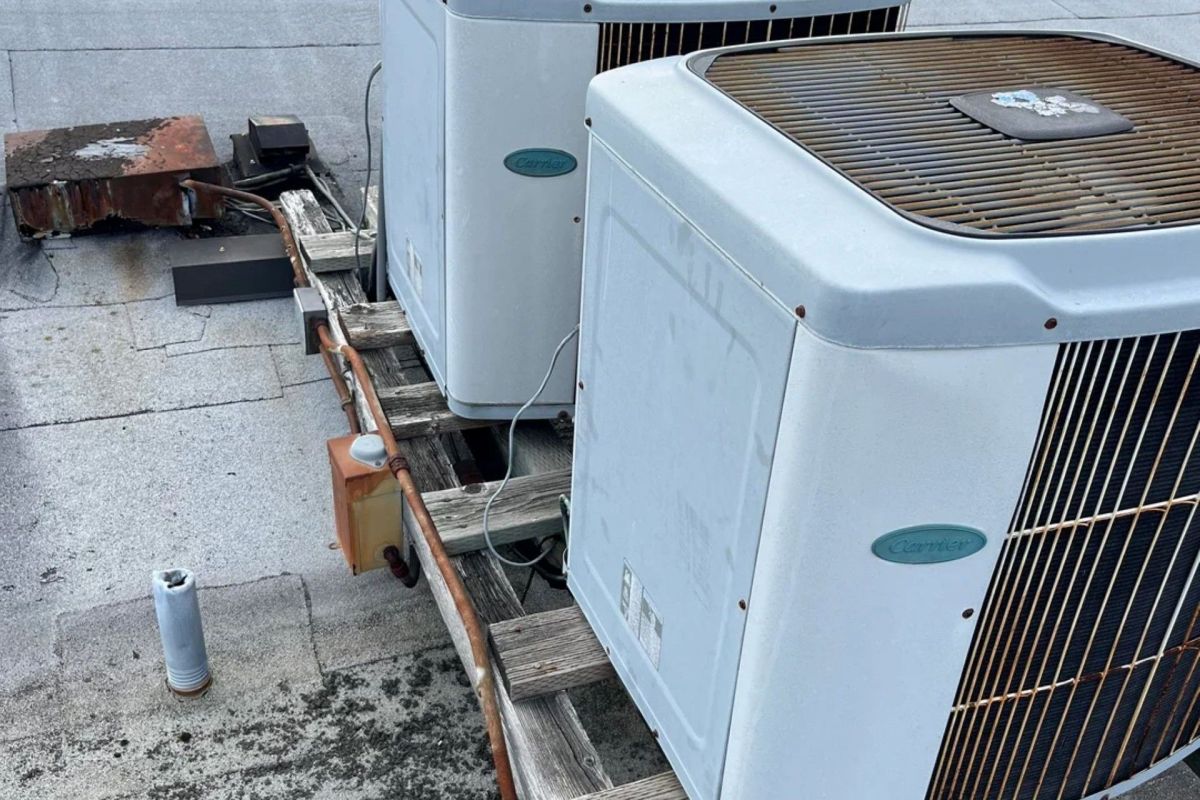
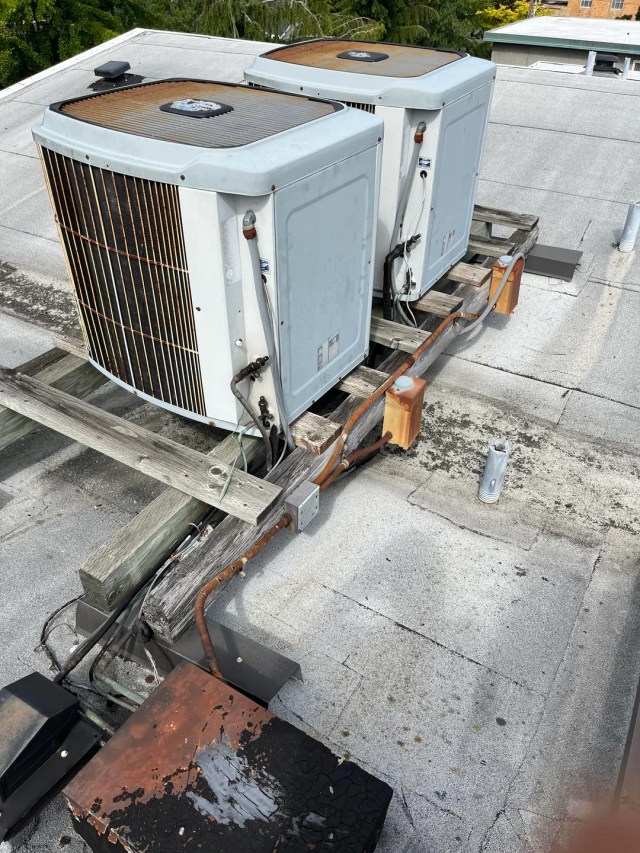
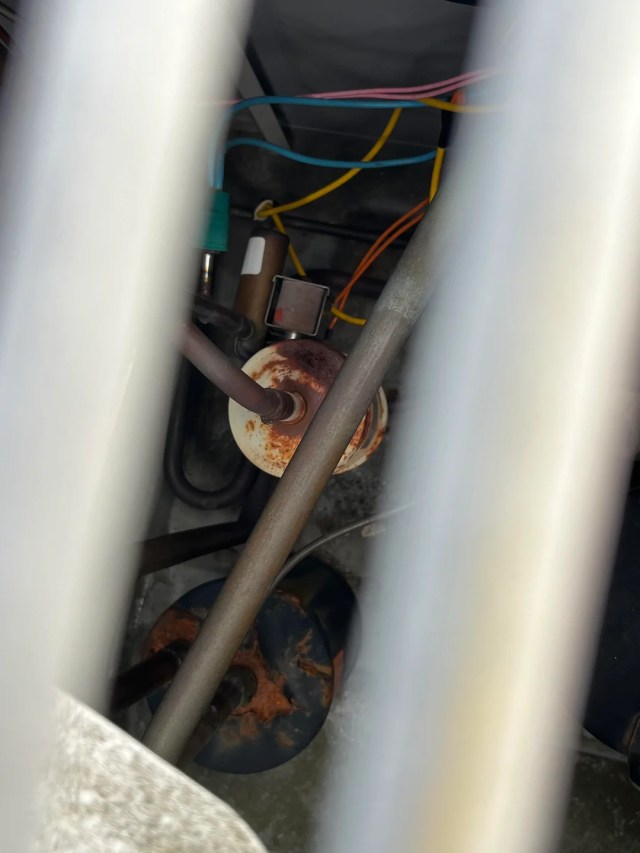
On Reddit, the poster described two Carrier heat pumps in the Seattle area that sit atop a four-story building. Each unit serves a different residence; the air handlers are inside, and both systems are now more than 30 years old but still "working as expected currently, looking to get ahead of any failures at bad timing."
One commenter offered a blunt response: "30 years old. That's your answer. Do it now before it fails and get 3-4 quotes."
The main downside to waiting is not just the breakdown itself. Once the system fails, the owner may have to prioritize speed over comparison shopping.
The person replying, who said they operate a four-person company, argued that visible advertising is not proof a contractor is backed by private equity.
"Well everyone says don't get billboard companies because they are all PE. But that's not true," the commenter wrote, saying billboard ads alone do not tell consumers whether a company is overpriced or investor-owned.
TCD Picks » Quince Spotlight
💡These best-sellers from Quince deliver affordable, sustainable luxury for all




More background
The discussion is especially timely as heat pumps become a bigger part of home electrification plans across the country.
Replacing a decades-old unit is not just a matter of reliability. It can also be a financial decision. Newer heat pumps are typically far more efficient than systems installed 30 years ago, which can help lower monthly utility bills.
Planning ahead also gives property owners time to compare warranties, installer experience, system sizing, and available incentives.
For owners of multifamily buildings or homes with hard-to-access equipment, planning ahead can matter even more, since crane work, roof access, and scheduling can all complicate the project.
What can be done?
If the current equipment is still running, owners can gather several estimates and evaluate them without the pressure of an active outage.
The commenter suggested starting with referrals and broad comparison shopping. They said to "shop around," ask other people who they have used, and watch for sales-driven bidding, noting that some firms reveal themselves because "they will be the most expensive. Try to upsell everything. And you'll be dealing with a worker/salesman."
For a more complicated replacement, it may also help to ask whether you can speak directly with the owner. That does not guarantee the lowest bid, but it may give consumers a stronger sense of accountability, a better sense of the experience, and a clearer sense of whether they are getting a thoughtful recommendation rather than a rushed sales pitch.
Where can I learn more?
When an older system is still running, the hard part is deciding whether to keep repairing it or replace it before you're forced to. The articles below dig into the questions that usually drive that choice, including repair costs, real-world performance, and whether the energy savings actually show up on your bill.
• On Reddit, a homeowner asked whether bills less than before would follow a heat pump swap.
• On Reddit, skeptical owners kept asking if the money saved really matched the hype.
• In colder regions, homeowners found they could save hundreds of dollars despite freeze-weather myths.
• One HVAC tech argued that protecting your house can start with a smarter water heater.
That kind of homework can make a big difference when you're comparing estimates for a 30-year-old system. A clearer picture of repair costs, performance claims, and likely savings makes it easier to sort out solid advice from a sales pitch while you still have time to choose.

Get TCD's free newsletters for easy tips, smart advice, and a chance to earn $5,000 toward home upgrades. To see more stories like this one, change your Google preferences here.






