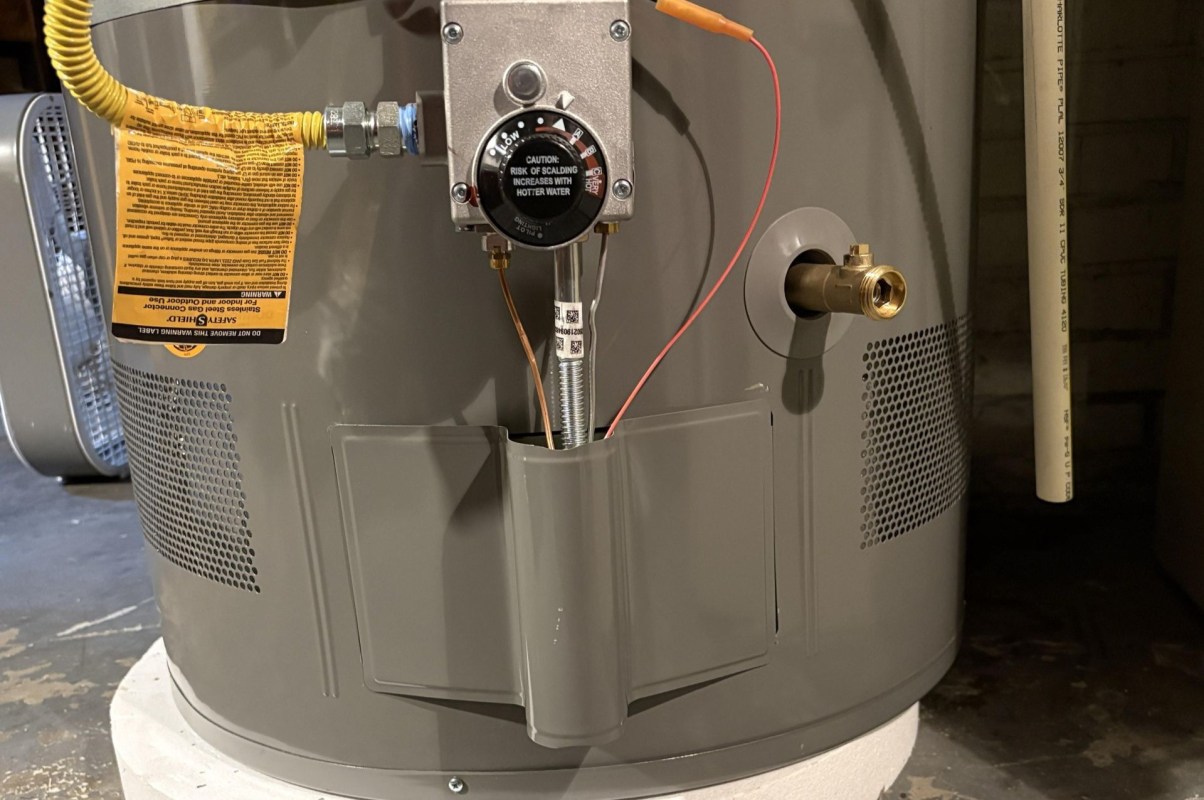
A homeowner thought a replacement gas water heater job was finished — until a closer look revealed the tank sitting visibly off-center on what appeared to be a slab of foam.
The post struck a chord because it highlights a simple money-saving habit after any major home utility installation: inspect the work immediately, while it is still easier to request a callback.
Here's what to know
The concern surfaced in Reddit's r/askaplumber, where the original poster asked, "Just had this replacement gas water heater done. I did not notice till the next day that the base looks like this. What should I do if anything? Will it last 15 yrs?"
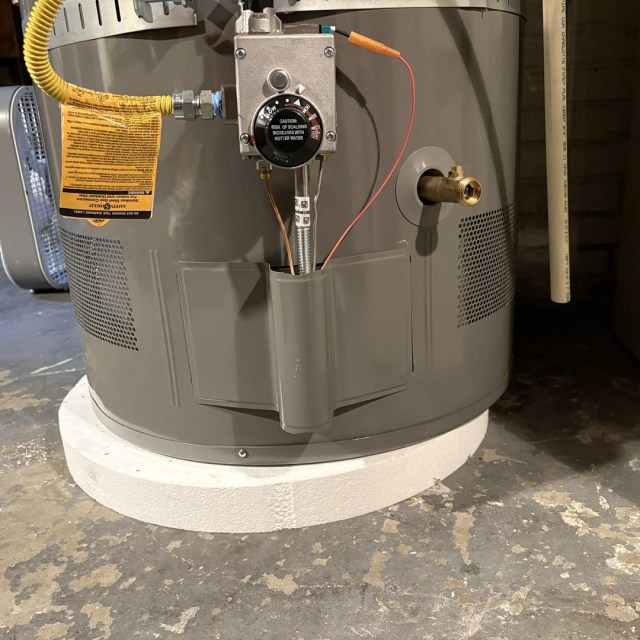
The homeowner said the material beneath the heater was not leftover packaging but an approved product.
"I did find out that the Floor Pad is UPC approved (expanded polystyrene)," the original poster wrote, noting that the heater's specifications allow it to be installed on combustible flooring.
That discovery did not end the issue. The homeowner said the installer would still be asked to return and correct the placement, which would mean draining 50 gallons of hot water.
TCD Picks » Quince Spotlight
💡These best-sellers from Quince deliver affordable, sustainable luxury for all




The poster also pointed to what appeared to be a missing sediment trap, sometimes called a drip leg, and wrote, "The sediment trap (what they call it here) is required under our state's residential code," while a newer residential code is expected in October 2026.
The comments focused on two things: the tank's crooked position and the gas hookup.
One commenter wrote, "Regardless of whether this is technically acceptable or not, that would piss me off every time I walked by and saw it."
More background
Beyond its appearance, commenters raised questions about the installation details.
One wrote, "There is no dead leg on the gas supply. You're letting dirt blow right in to the gas control valve."
Other replies wondered whether a drain pan should have been used and said the tank should have been centered better, even if the pad itself was approved.
What can be done?
For this homeowner, learning that the foam pad met approval standards was not enough to settle the matter; the off-center tank and possible missing sediment trap still seemed serious enough to warrant a callback.
The homeowner ultimately decided not to let it slide, writing, "I am going to have the company come back out to re-center the pad (having to drain 50 gallons hot water)."
One commenter wrote, "Well, it's not going anywhere. But that's pretty lousy work."
Where can I learn more?
The discussion started with a crooked water heater and quickly turned to a bigger question: when does a small-looking flaw point to a real problem?
These articles cover water heater maintenance, hidden plumbing leaks, and heating efficiency choices that can affect performance, lifespan, and monthly bills.
• A home expert shared critical maintenance tips that help water heaters run better for longer.
• A realtor showed homeowners a simple blue-dye test that can catch silent toilet leaks.
• One homeowner said foil behind radiators made a big difference in winter heating bills.
• A popular home fix could actually be wasting money and energy during colder months.
For homeowners deciding whether to call an installer back, that context matters. A job that looks slightly off can also reveal maintenance or efficiency issues worth checking out.

Get TCD's free newsletters for easy tips, smart advice, and a chance to earn $5,000 toward home upgrades. To see more stories like this one, change your Google preferences here.