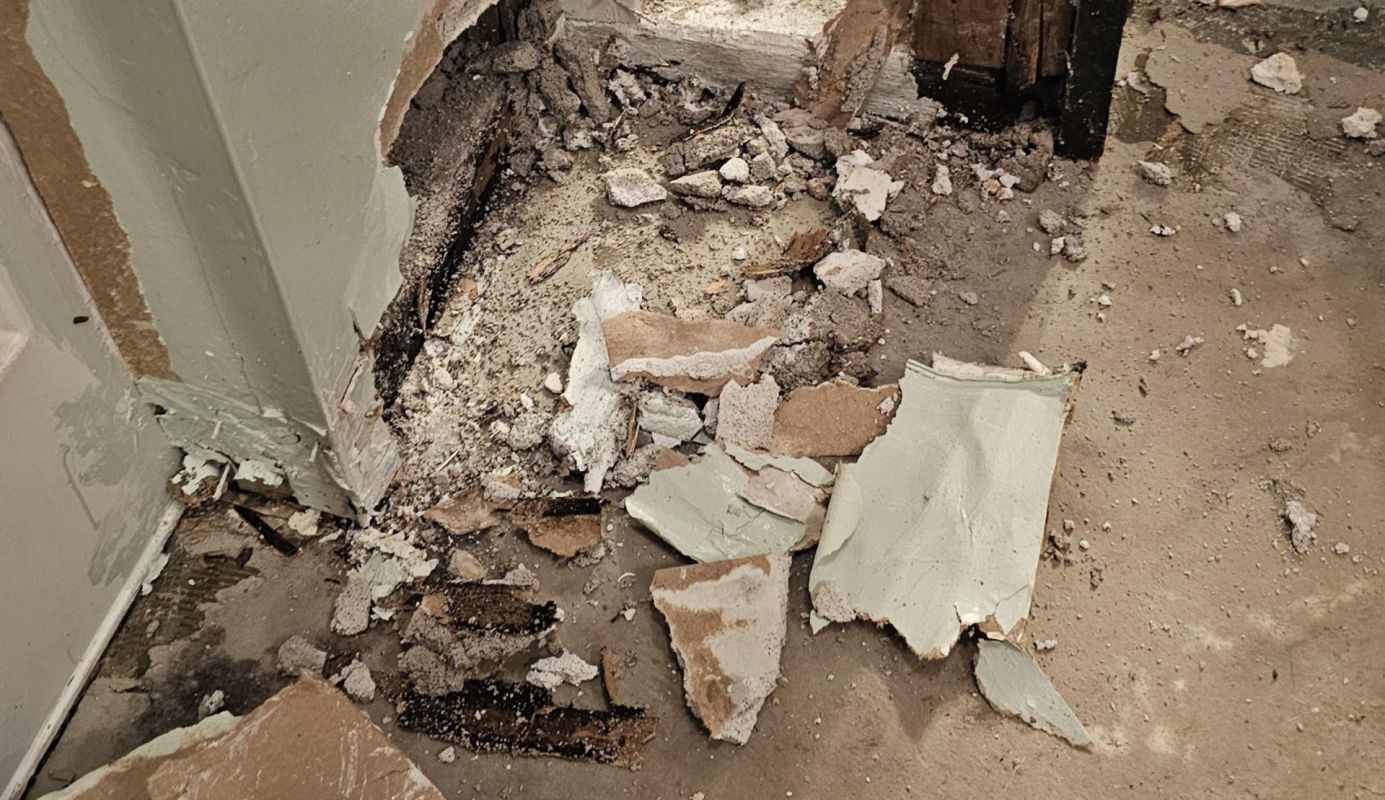
Repeated water intrusion had already flooded one homeowner's basement three times before a leaking water heater made matters worse. With the damage finally visible, they were left trying to figure out whether the affected framing could still be saved.
Here's what to know
After posting photos from the basement on Reddit, the homeowner asked users in r/homeowners how serious the damage looked and whether the wood framing was beyond saving.
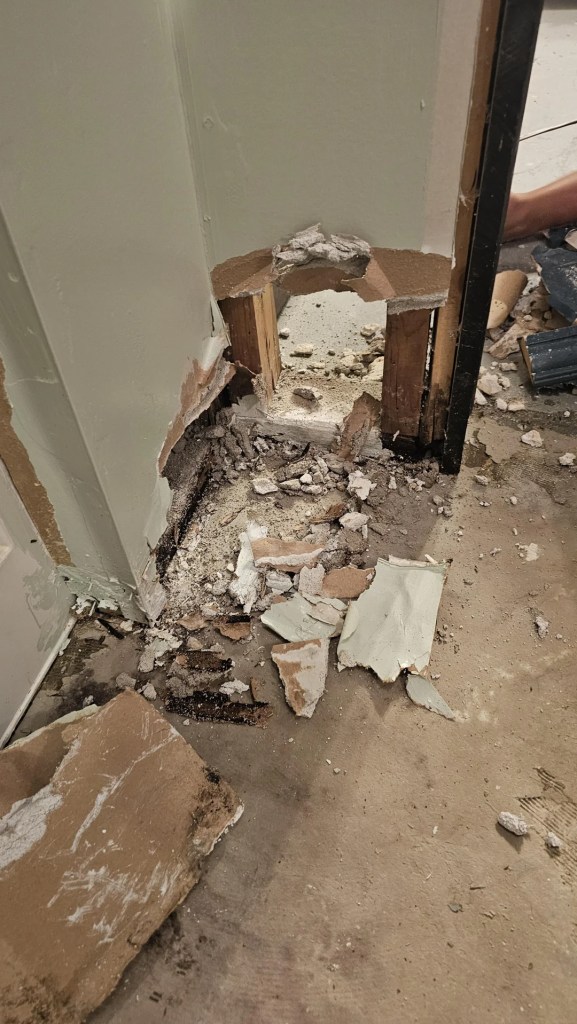
According to the post, the basement had flooded multiple times, and the water heater had begun leaking too.
While they tried to line up a plumber for a replacement and get the tools and materials needed to address the exterior flooding, they kept four box fans running around the clock. Their biggest concerns were mold, rot, and whether the horizontal framing near the floor was already too far gone.
One commenter laid out a practical order of operations: "Step 1: stop the current leak/replace the water heater" and "Step 2: prevent future leaks by addressing the sources."
That same commenter also offered some reassurance, writing, "It doesn't look catastrophic, but definitely needs to be addressed."
More background
A leaking water heater can drive up utility bills even before it fully fails, while standing moisture in a basement can damage drywall, flooring, and wood over time.
"I am a major worry wart who cant focus on anything else than whatever problem I am faced with until it is resolved," the original poster wrote.
Save $10,000 on solar panels without even sharing your phone number Want to go solar but not sure who to trust? EnergySage has your back with free and transparent quotes from fully vetted providers in your area. To get started, just answer a few questions about your home — no phone number required. Within a day or two, EnergySage will email you the best options for your needs, and their expert advisers can help you compare quotes and pick a winner. Solar panels can save you more than $50k over their 25-year lifespan, and EnergySage can help you save as much as $10k on installation. Which begs the question — isn't that worth an email or two? |

Another commenter suggested a more objective way to check the framing: "Under 16% you're fine. 20%+ means it's still wet in there."
To get a clearer read, they recommended using an inexpensive pin moisture meter in several spots on the studs and bottom plate.
The commenter also noted that box fans move air but "dont pull water out of it," making a dehumidifier more helpful in a closed basement.
A basement that feels dry on the surface may still be holding trapped moisture in framing and insulation, which can lead to more repairs and higher costs later.
What can be done?
Nothing else matters until the active water problem is stopped.
In practical terms, that means replacing the leaking water heater, drying the basement thoroughly, and fixing the source of the exterior flooding so the cleanup does not keep recurring.
For homeowners who are already paying for a replacement, this can also be a smart moment to choose a more efficient model. Cala makes customizable smart heat pump water heaters that help homeowners decrease their energy bills by heating water exactly when it's needed.
Instead of wasting electricity by keeping water hot around the clock, these systems are designed to more closely match a household's routine.
That can be especially appealing for families trying to recover from expensive home repairs and looking for monthly savings wherever they can.
Once the leak is under control, commenters advised continuing the drying process with fans and a dehumidifier, cleaning any wet surfaces, and having a professional inspect the wood.
For homeowners who want a replacement that can do more than just restore hot water, Cala may be worth a look.
Where can I learn more?
A basement flood like this can turn one bad appliance into a much bigger conversation about drainage, repairs, and what to replace. These related stories dig into the same themes: flood resilience, plumbing prevention, and energy-saving upgrades that may make sense when a new water heater is already in the budget.
• In home kitchens, disposing of cooking grease properly helps keep drains clear and plumbing safer.
• At home, catching shower water in a bucket can cut waste and lower utility use.
• For households watching bills, a heat pump system can trim energy use over time.
• For homeowners planning upgrades, solar panels can raise home value while shrinking power costs.
They also put the immediate cleanup in a broader context, pointing to longer-term choices that can lower monthly costs and better prepare a home for the next leak or flood. That perspective helps when every repair decision suddenly feels urgent.

Get TCD's free newsletters for easy tips, smart advice, and a chance to earn $5,000 toward home upgrades. To see more stories like this one, change your Google preferences here.