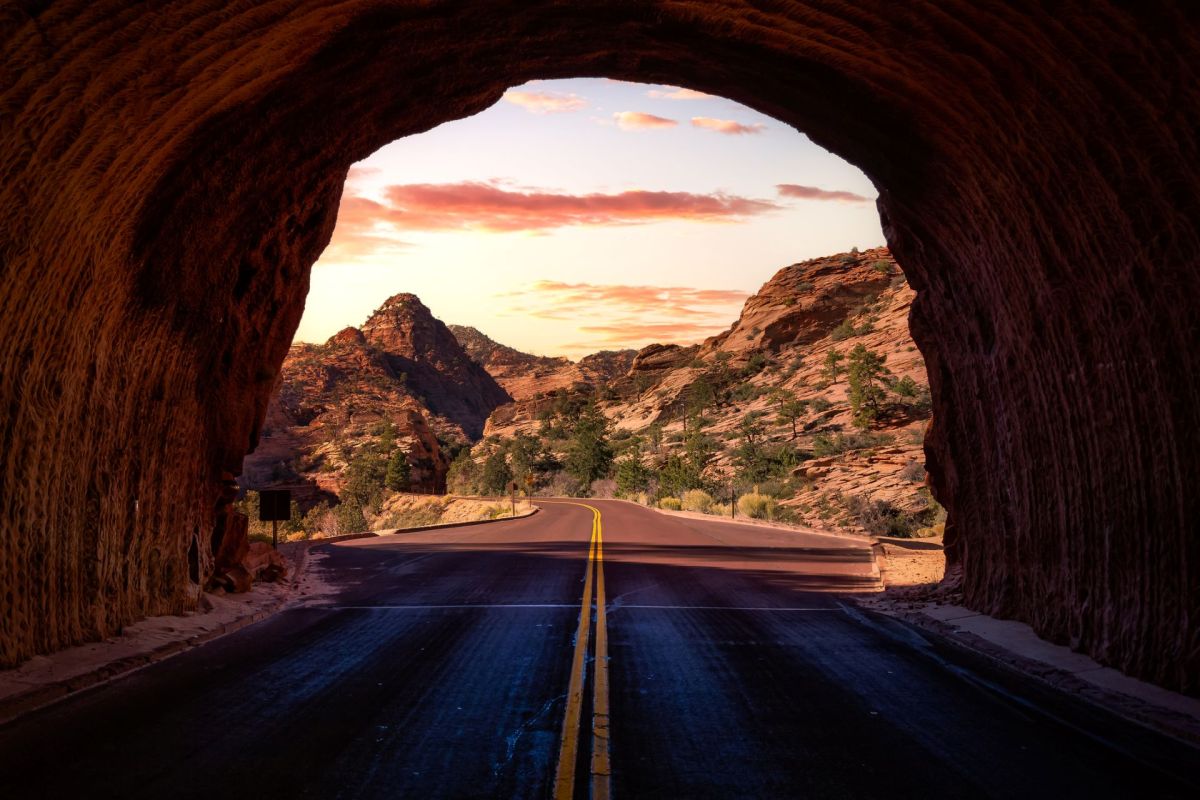
Smoke, closed roads, and dangerous heat complicated one family's attempt at the Great American Road Trip, a drive best known for its national parks and grandeur, which clashed with the harsh reality of today's climate change situation.
One major disruption came on the stretch from Moab to Bryce Canyon, when the travelers had to detour around Utah's 94,000-acre Cottonwood Fire, one of several ways extreme weather reshaped summer travel across the American West.
What happened
Midway through a 9,000-mile itinerary that was supposed to include 14 national parks, the group had to abandon its direct route west from Moab, Utah, as Grist reported. The Cottonwood Fire was already burning on one side, while the Jones Fire had ignited east of town near Cisco.
After checking Google Maps and the wildfire app Watch Duty, they chose a longer route on smaller highways and picked up N95 masks before leaving.
For the author, a climate journalist traveling with family and friends after a year of her husband's cancer treatment, the vacation also became a firsthand look at climate-driven disruption in the West. Throughout the trip, the group repeatedly encountered smoke plumes, drought-stricken reservoirs, dead trees, flooding alerts, and extreme heat warnings.
From 1980 to 1989, the United States averaged 3.3 billion-dollar weather disasters each year. Between 2015 and 2024, that annual average climbed to 19, a notable increase in scale. Climate Central also found that 23 billion-dollar disasters hit the U.S. in 2025, and another 12 had already crossed that threshold by June 2026.
TCD Picks » Quince Spotlight
💡These best-sellers from Quince deliver affordable, sustainable luxury for all




More background
The Utah reroute was the first of many disruptions. The National Park Service closed part of Canyonlands National Park after the Babylon Fire expanded from 300 acres to 16,000 acres. In California, the travelers also passed reservoirs marked by drought "bathtub rings" and long fields of oil pumpjacks outside Bakersfield.
Other parks reflected the long-term damage of climate change. Grist, citing the National Park Service, reported that wildfires burned more than 85% of the acreage of giant sequoia groves in the Sierra Nevada from 2015 to 2021, compared with about one-quarter over the previous century.
In Glacier National Park, the family learned that roughly 150 glaciers existed there in 1850. Today, only 26 ice bodies remain.
The fallout is not just about the impact on family vacation plans. Wildfire smoke can threaten respiratory health, floods can trigger evacuations, and prolonged heat can endanger both residents and visitors. Those conditions can also undermine local economies, especially in places dependent on agriculture, tourism, or outdoor recreation.
The family saw that deeper impact in Wyoming, where low water levels led a Jackson Lake tour operator to end the season early.
What's being done
In California's sequoia country, the group saw logging trucks, excavators, and piles of dead branches waiting for controlled burns. Grist described that work as part of a broader effort by scientists, park managers, and environmental groups to make future fires less severe.
They also passed wind turbines in Iowa, as well as solar farms and EV chargers. Those projects will not remove today's dangers overnight, but they do point toward cleaner energy systems that could help cut the pollution behind hotter, drier conditions.
A Jackson Lake guide summed up the shift by showing a photo on his phone: "The peaks were covered, just covered, in snow at this time. What we're seeing right now in July, that's what we would typically see in late August."

Get TCD's free newsletters for easy tips, smart advice, and a chance to earn $5,000 toward home upgrades. To see more stories like this one, change your Google preferences here.