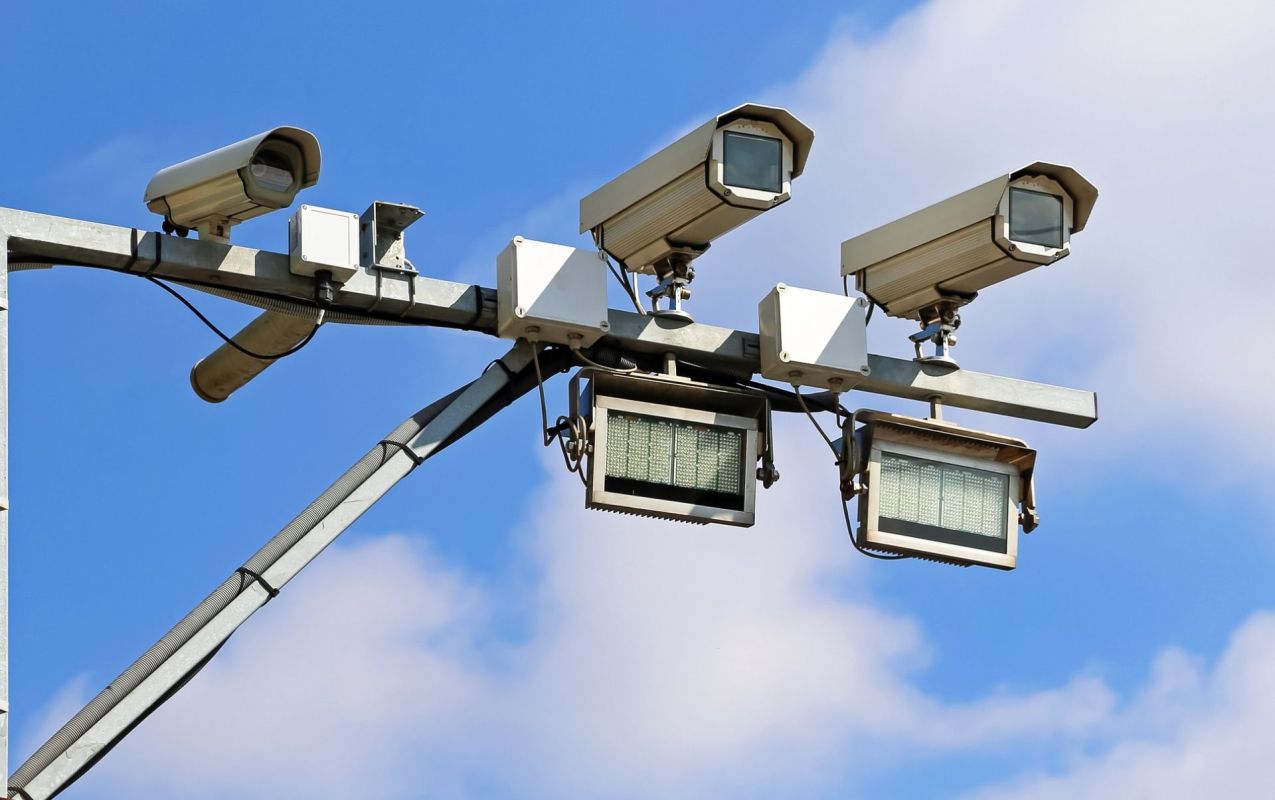
Fairfield, Connecticut's Representative Town Meeting voted to keep the town's school-zone speed camera program in place despite hours of public criticism from residents. According to CT Insider, they said the devices were invasive and driven more by revenue than safety.
At issue were cameras already operating in six school zones.
Here's what to know
CT Insider reported that more than 50 residents packed the meeting room. Many of them were waiting to speak, and most of them were opposing the policy. By night's end, Fairfield's Representative Town Meeting had voted 25-12 to keep the speed camera plan with no changes.
For some speakers, the central objection was government surveillance. As CT Insider relayed, Fairfield resident Mark Pires told officials, "No one should be surveilled by their government; this isn't Cuba."
Another Fairfield resident, Jose Campos, said the town should invest in roadway changes instead of leaning on automated enforcement. Campos said, "To many, it feels like a money grab, monetizing speeding, not preventing it. … We have to consider that we need physical traffic-calming measures and more signs."
The decision to keep the cameras running did not settle the central dispute over the program. RTM members also voted to create an ordinance drafting committee to oversee the current traffic enforcement safety devices ordinance and make changes.
TCD Picks » Quince Spotlight
💡These best-sellers from Quince deliver affordable, sustainable luxury for all




More background
That divide surfaced again when District 1 RTM member Melissa Longo proposed suspending the cameras starting Aug. 26 while the new committee reviews the ordinance. Longo argued the town needed to slow down after moving too quickly on the policy.
Before her amendment was defeated 29-9, it drew strong backing from people in the audience. CT Insider reported that Longo said, "I wouldn't have had to be here to make this amendment if we did it right the first time, and we didn't, and we didn't have this much engagement … we need to take a second look, third look, fourth look, whatever it takes."
Still, a smaller group of residents argued that halting the program could create unnecessary risk near schools and other high-traffic areas, where even modest reductions in speed can lessen the severity of crashes.
What's being done?
Fairfield is taking a middle path. The newly approved drafting committee gives town leaders a formal mechanism to revisit how the program works and whether adjustments are needed.
Those who wanted the cameras left in place said shutting them off during the review would be irresponsible. Planning and Zoning Commission Vice Chair Jeff Randolph warned, "If you pause something, and something happens, that is your fault. It is your fault."
At the same time, critics continue to push for solutions that go beyond enforcement, including more signage and physical street changes designed to slow vehicles before tickets become part of the equation.
Where can I learn more?
Fairfield's fight over speed cameras isn't happening in a vacuum. Elsewhere, residents have pushed back against similar projects, often raising the same concerns about safety and trust.
• In Graz, Austria, residents took matters into their own hands after officials canceled a planned bike lane.
• In Stockholm, Sweden, residents called the massive highway expansion a threat to urban livability.
Those fights are just a few of the many examples of how people can start conversations and even create tangible differences in their communities. While Fairfield's ordinance review is unlikely to settle the issue overnight, more people sharing their thoughts and taking action could further shape its solution.

Get TCD's free newsletters for easy tips, smart advice, and a chance to earn $5,000 toward home upgrades. To see more stories like this one, change your Google preferences here.