


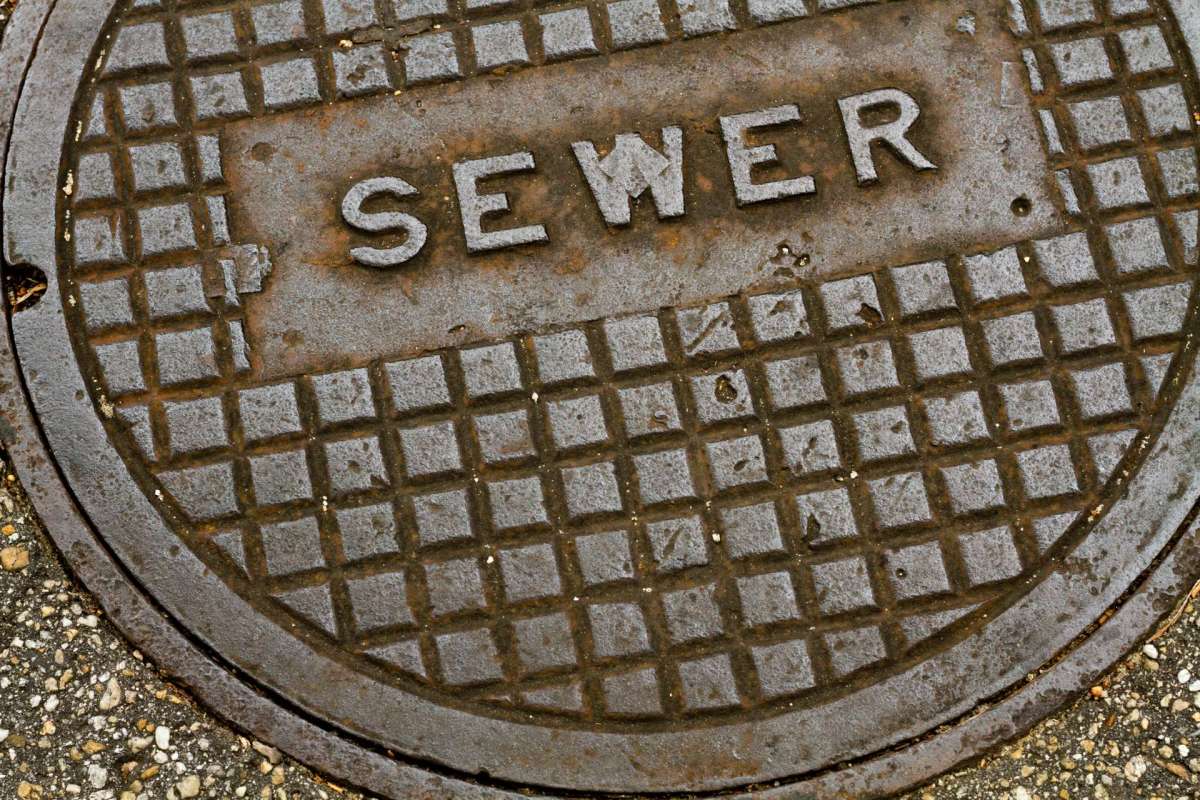
Opposition is mounting in Shaker Heights, Ohio, over a long-running sewer replacement job as delays pile up and a revised design threatens nine mature pin oak trees.
For residents already living with construction disruptions, the fight is no longer just about what is happening underground. It is also about neighborhood shade, public trust, and whether the city has fully accounted for the environmental costs.
Here's what to know
According to cleveland.com, the city is waiting for the U.S. Environmental Protection Agency to decide whether the $8.3 million sewer project can still proceed under a categorical exclusion instead of a broader environmental review. The project is intended to connect 1,200 households.
A late-stage routing change has become the focal point of the dispute. Instead of remaining under Lomond Boulevard, the last segment would be installed in the south-side tree lawn between Latimore and Lynnfield roads, a move that would mean cutting down nine legacy pin oaks that were expected to be preserved.
Assistant Director of Public Works Christian Maier said at the Aug. 24 council meeting that the city had sent the EPA a revised categorical exclusion application on Aug. 4 and was still waiting for a response, reported cleveland.com.
Residents told council the revised plan should not move forward without closer examination. During public comment, Sheela Das said, "Shaker Heights has avoided meaningful scrutiny of environmental consequences with this project from the start."
TCD Picks » Quince Spotlight
💡These best-sellers from Quince deliver affordable, sustainable luxury for all




More background
The dispute shows how infrastructure upgrades can become even more divisive when costs, timelines, and environmental tradeoffs shift in the middle of construction.
Neighbors contend the city's updated filing understates how much resistance the tree removal has generated, pointing to an online petition signed by 775 people, including nearly 500 Shaker Heights residents.
For people living on the affected blocks, the consequences are immediate. Mature trees can help cool nearby homes and streets, and that becomes especially important in an area where, as resident Kirby Rayburn noted, many households rent, and some homes do not have central air conditioning. Rayburn told council, "It would be awful not to have tree cover."
Neighbors have also warned about dust, subsurface water, and possible damage to other nearby trees. In letters to the EPA, they said, "The existence of a problematic underground creek beneath Lomond Boulevard was not identified in the environmental characterization provided to the EPA."
What's being done?
The city maintains that the sewer work is needed, and officials say keeping the line in the street could add another $2.4 million because of conflicts with other underground utilities.
Residents continue to call for a more robust public process before any trees are removed. In an Aug. 17 letter to the EPA, Barbara Lowe — whose brother and his family still live in the family home, cleveland.com reported — asked the agency to weigh what neighbors have experienced firsthand during more than a year of disruption.
At the same Aug. 24 meeting, council approved a resolution tied to repayment of a $2 million zero-interest State Capital Improvement Program loan for the project. Public Works Director Ramona Lowery-Ferrell said, "Given various delays in the final phase, it is anticipated the project will be completed in the spring of 2027."
For now, the next major step rests with the EPA, which must decide whether the revised project can still avoid a full environmental review.
As residents continue pressing for answers, Das summed up what many neighbors are asking of city leaders and federal regulators alike: "The community deserves a public hearing on this project before trees are removed."
Where can I learn more?
Shaker Heights is hardly the only place where support for a major project has frayed after plans changed and environmental concerns grew. Similar disputes in Vermont, Kansas, Maine, and Georgia show how worries about water, heat, public health, and local oversight can upend infrastructure debates.
• In Vermont, residents warned a multi-million-dollar sewer project could jeopardize long-term drinking water quality.
• In Lawrence, Kansas, neighbors sued over a proposed $12 billion data center, demanding an impact study.
• In Maine, lawmakers advanced a controversial landfill expansion as residents pressed for stronger oversight.
Cases like these often begin as technical plans and turn into broader arguments over transparency, neighborhood impacts, and who ends up bearing the costs. That helps explain why Shaker Heights residents are pushing so hard for a fuller review before any trees are removed.

Get TCD's free newsletters for easy tips, smart advice, and a chance to earn $5,000 toward home upgrades. To see more stories like this one, change your Google preferences here.






