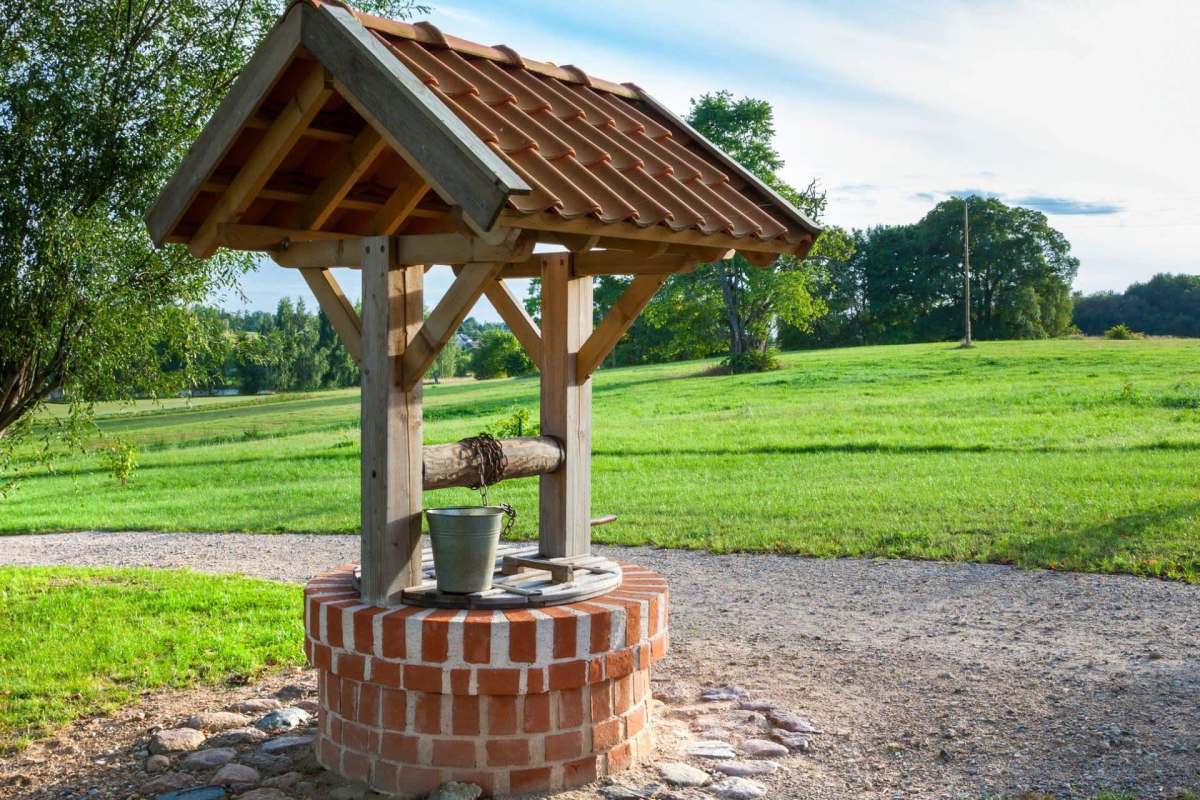
Before paying for a roughly 400-foot-deep well, a family preparing to place a three-bedroom mobile home on rural acreage wondered whether hauling water might save money.
Online commenters quickly pushed back, warning that the alternative could turn into a costly and exhausting routine.
Here's what to know
"I'm considering setting up a system based on hauling in water," the original poster wrote on Reddit. The four-person household was set on 1.8 acres of land. Despite being only eight miles from a city, the property had no other option for water access but a well.
Instead, they considered a water hauling plan. Their biggest concerns were summer algae and winter freeze-ups. They said most of the water would go toward "washing 3 things — clothes, dishes and people," while cooking water could come from store-bought jugs.
"My time is worth something," one commenter said, suggesting the effort required far outweighed the benefits. They agreed hauled water can work, but it often demands far more labor than people initially assume.
"I haul water," another added. "But be advised, it is a whole lifestyle. A major chore either to haul the water or find a workaround to work with less water."
TCD Picks » Quince Spotlight
💡These best-sellers from Quince deliver affordable, sustainable luxury for all




Cost was another major concern. One commenter estimated that even fairly modest water use in a full-time family home could send recurring hauling expenses into the thousands each year after accounting for fuel, labor, and wear on the vehicle.
More background
Equipment needs were another point of emphasis, because water adds weight fast. As one commenter noted, 100 gallons weighs about 800 pounds, which can shape decisions about the vehicle, trailer, tank, and pump setup needed for regular hauling.
Commenters said algae, freezing, and sanitation issues can be handled with the right infrastructure, including buried tanks, black tanks, below-ground feed lines, or UV sterilizers. But they also stressed that each of those fixes brings more cost and planning.
For that reason, many people in the thread viewed drilling the well as the more practical long-term choice. The upfront price may be high, but it could mean less reliance on water deliveries, store-bought jugs, and constant refill trips.
What can be done?
For anyone seriously weighing hauled water, commenters said the first step is an honest estimate of daily consumption. In a four-person household, laundry, dishes, showers, and toilet flushing can use more water than many people expect.
If hauling water is the only short-term path, experienced users recommended bigger stationary storage, buried or shaded tanks to reduce algae and freezing problems, and transport equipment built for the job, such as baffled tanks or trailers meant for water weight.
Several also said it is worth checking for municipal bulk water sales or local delivery services rather than depending entirely on a personal truck.
Rainwater collection and cistern systems also came up as ways to stretch supply, depending on local laws, roof materials, and climate. Even so, commenters said those systems are often better as supplements than as full replacements for a reliable household source.
To several commenters, the low-cost option only looked cheap at first.
As one commenter wrote, "Just dealing with 2,500 empty gallon jugs a year sounds like a f****** nightmare."
Another said: "Dude, just spend the money and drill."

Get TCD's free newsletters for easy tips, smart advice, and a chance to earn $5,000 toward home upgrades. To see more stories like this one, change your Google preferences here.