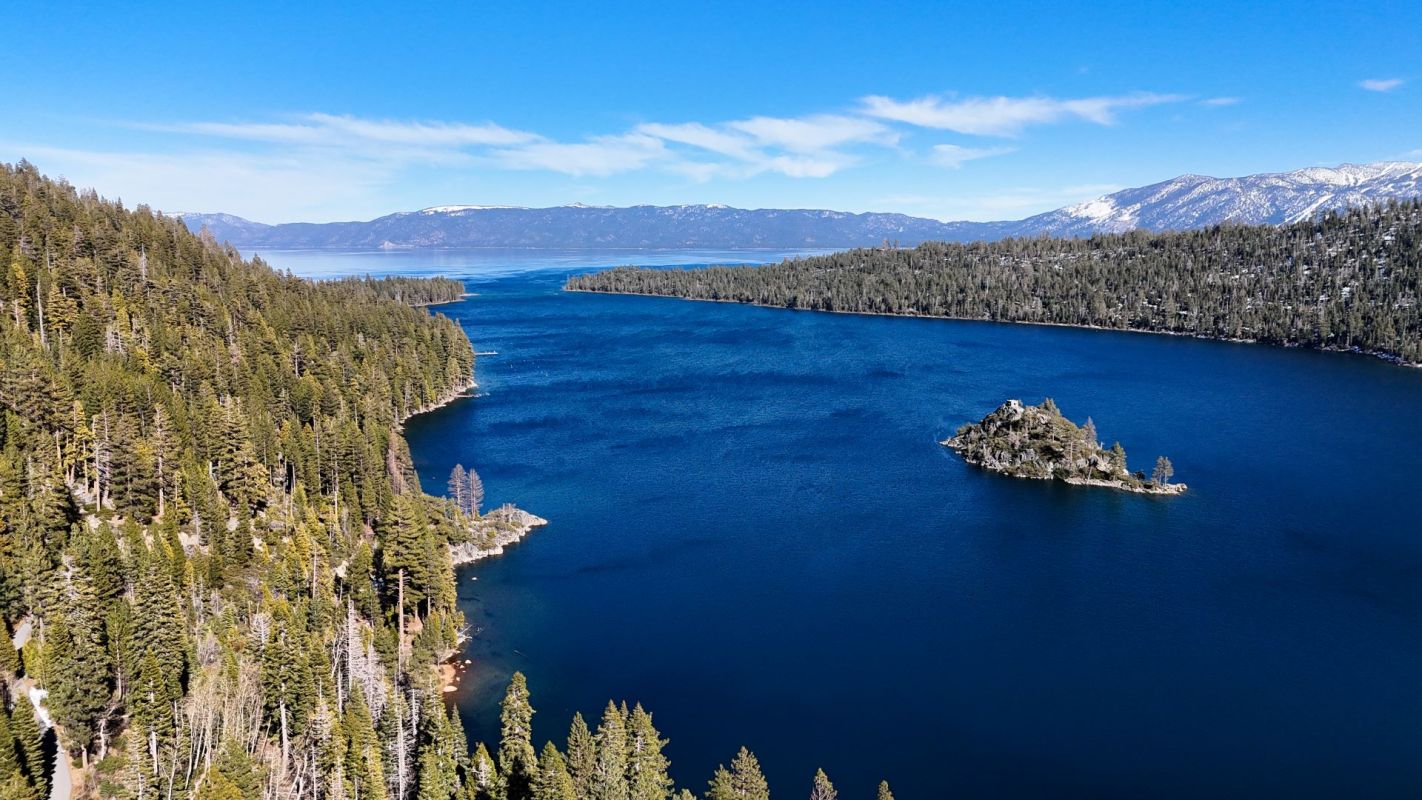
A water authority in the Lake Tahoe area announced it reached a $156,000 settlement with developers that allegedly violated stormwater regulations.
As the Sierra Sun reported, the deal, which still awaits final approval by the water authority's board or executive director, comes amid an uptick in enforcement aimed at restoring Lake Tahoe's famously pristine waters.
Here's what to know
According to Lahontan Regional Water Quality Control Board staff, a 2025 inspection found Alpine View Estates LLC had not performed required runoff-related site inspections or submitted mandated monitoring reports, leading to the proposed settlement.
If finalized, the payment would be deposited into California's Cleanup and Abatement Account. The fund is used statewide for emergency responses to toxic spills and other pollution events.
Stormwater runoff from construction sites can carry fine sediment and other contaminants into Lake Tahoe and its tributaries. Once that pollution reaches the water, it can reduce the lake's famed clarity and contribute to algal growth.
Declining water quality can affect recreation, tourism, and the overall health of a lake that helps support the region's economy and quality of life.
TCD Picks » Quince Spotlight
💡These best-sellers from Quince deliver affordable, sustainable luxury for all




More background
In the Lake Tahoe Basin, the Lahontan board has put particular emphasis on enforcing stormwater rules, especially for projects near the shoreline. Construction can be a major runoff source because rain or snowmelt may wash sediment from disturbed soil and exposed surfaces downhill.
The basin's construction general permit, adopted in 2016, covers runoff discharges from projects disturbing more than one acre of land. The rules are meant to stop pollution before it leaves a work site, rather than trying to address the damage afterward.
The permit program operates hand-in-hand with the Lake Tahoe Total Maximum Daily Load Program, which has prevented an estimated 736,600 pounds of sediment from entering the lake.
With the enforcement action and proposed settlement, regulators have made a strong statement that they take permit requirements and protecting Lake Tahoe's delicate ecosystem seriously.
What's being done?
The deal is not final yet: the public can comment through September 9, and afterward, the board or its executive officer must approve the agreement.
Beyond this single case, the enforcement action suggests regulators are paying closer attention to whether builders are actually following permit requirements, not just securing permission to begin construction. That kind of scrutiny can help discourage cost-cutting decisions that shift environmental costs onto the public.
"Construction sites are a major contributor of stormwater pollution in the Lake Tahoe Basin, making it critical for developers to take the necessary precautions at their sites," said Jan Zimmerman, Lahontan Water Board assistant executive officer, per the Sierra Sun. "We're increasing our attention to construction sites in particular as we enforce stormwater regulations near the lake's shoreline and throughout the entire region."

Get TCD's free newsletters for easy tips, smart advice, and a chance to earn $5,000 toward home upgrades. To see more stories like this one, change your Google preferences here.