


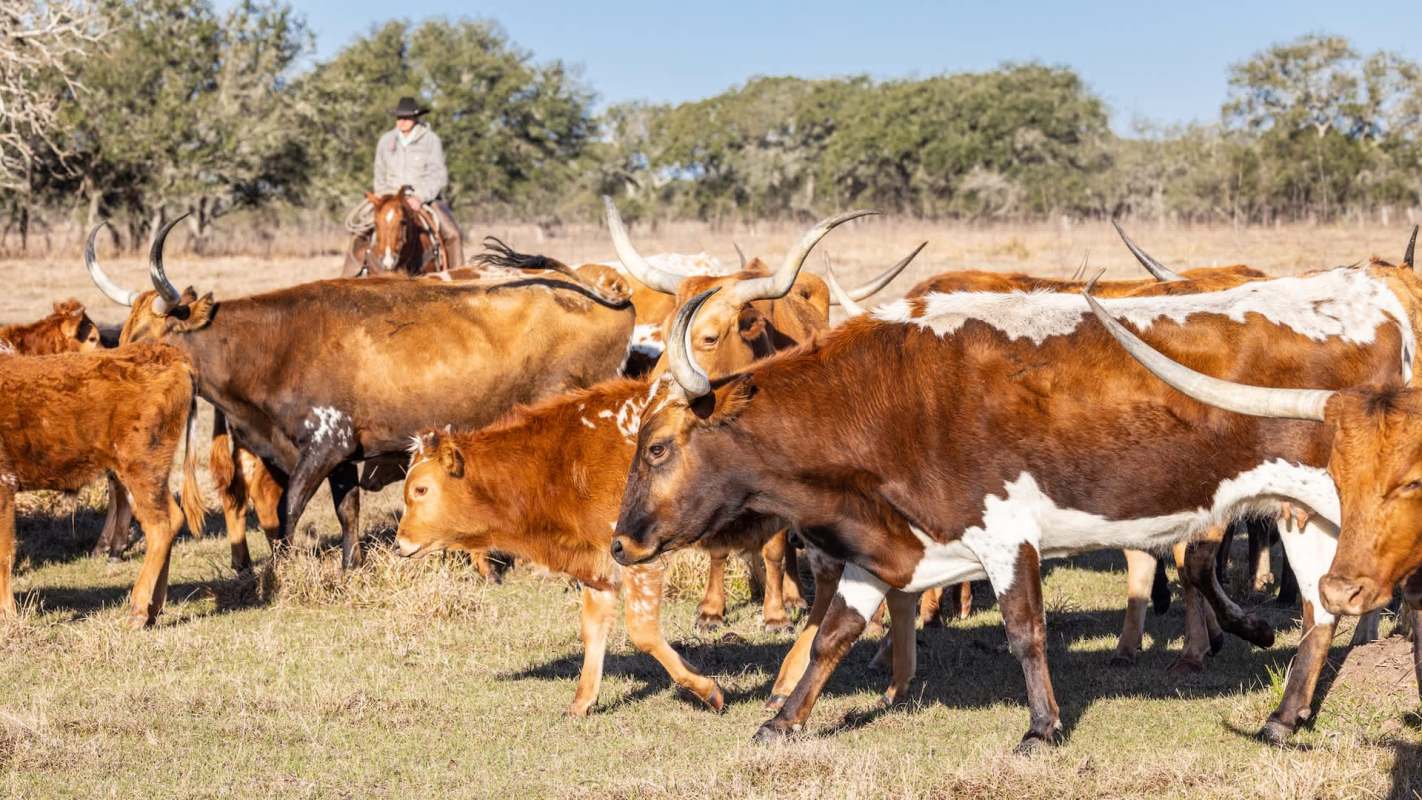
A Texas rancher said that a recent White House policy announcement did more than reignite debate over beef prices — it brought customers directly to his business, Fox 26 Houston reported.
For shoppers already worried about grocery costs and the origins of their food, the response also showed how quickly buying habits can shift when the meat market feels uncertain.
Here's what to know
In Fulshear, Anthony Thomas, owner of Thomas Cattle Company and Catering, said that demand for his farm-to-table beef rose after President Donald Trump announced a 90-day pause on higher tariffs for imported ground beef.
The administration claimed the measure was designed to reduce beef prices for consumers.
Thomas noted that the change has been dramatic, with sales now running at about three times their previous level.
He described the response in stark terms.
TCD Picks » Quince Spotlight
💡These best-sellers from Quince deliver affordable, sustainable luxury for all




"It has tremendously, positively impacted my business," Thomas said of the abrupt shift in demand, adding that his company has seen a "huge influx of business" as consumers sought more certainty about their food supply.
That reaction is unfolding against a strained national backdrop: America's cattle herd is at its lowest level in decades, which has helped keep beef prices high.
Ranchers interviewed by Fox 26 Houston warned that imports might ease pressure for a time, but they wouldn't resolve the underlying supply problems in the American beef market.
For Thomas, the policy fell well short of a long-term solution.
"This beef import, this is more of a band-aid rather than a fix to the problem that we have with our beef industry in the United States," he observed.
More background
According to ranchers, current retail prices remain high due to a combination of drought, fewer cattle, and the lengthy process of bringing beef animals to market.
They told Fox 26 Houston that raising beef cattle takes about two years, meaning any effort to rebuild the country's herd would still play out gradually even if conditions become more favorable.
State farm groups in Texas are also voicing opposition to the import strategy.
The Texas Farm Bureau held that strong cattle prices are important to farm and ranch families and urged the administration to keep listening to producers.
The Texas and Southwestern Cattle Raisers Association made a similar case, arguing that additional imports are not a true fix and that it will take time for herd numbers to recover and supplies to rebalance.
What's being done?
Washington's main response has been the tariff waiver, intended to bring down prices even as ranchers question how long the effect will last.
Meanwhile, Fox 26 Houston reported that local operators such as Thomas are seeing more interest from customers concerned about rising beef prices and the reliability of the food supply.
Consumers also have practical ways to respond while the beef market remains tight.
Comparing local meat options, buying in bulk when it makes sense, and incorporating more affordable proteins can help stretch a grocery budget.
Exploring plant-based food options is another flexible way to navigate price swings.
Thomas acknowledged that the tension — more business for individual ranchers, but lingering concern about the industry's direction — was hard to ignore.
"We have the beef here. We have the ranchers here," he commented.

Get TCD's free newsletters for easy tips, smart advice, and a chance to earn $5,000 toward home upgrades. To see more stories like this one, change your Google preferences here.






