


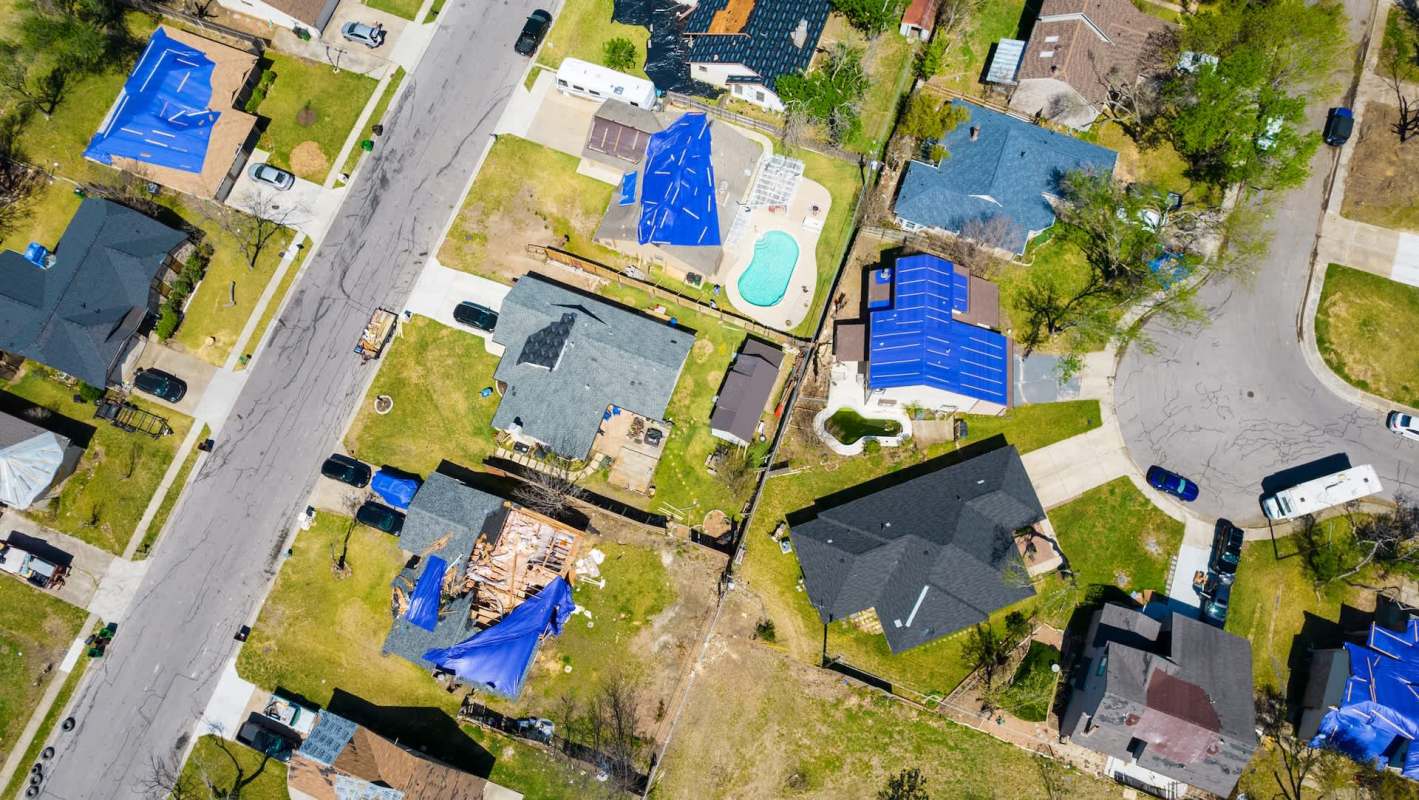
Homeowners in Texas deal with everything from tornadoes and wildfire danger to hail and flash floods.
For many households, the financial fallout continues after the skies clear. As weather-related losses become both more common and more expensive, insurers have been increasing prices, changing deductibles, and revising coverage terms, leaving homeowners to shoulder more of the burden.
Here's what to know
According to KSAT, insurers coping with mounting weather losses are changing what many Texans pay and how their policies work, including higher premiums, larger deductibles, and different coverage options.
Rich Johnson, director of communications for the Insurance Council of Texas, told the outlet that companies are using multiple strategies to deal with more frequent and more expensive claims.
"We've seen a couple of different strategies," Johnson said. "There's been some changes in deductibles, but there's also been price increases. We've seen our home insurance and even auto insurance increase, especially after the last five years."
People often learn the fine print in their policy only after they need to make a claim. Depending on the time of year, conditions can swing from extreme heat and wildfire risk to wind, hail, and flooding.
TCD Picks » Quince Spotlight
💡These best-sellers from Quince deliver affordable, sustainable luxury for all




Flood coverage remains a major blind spot. KSAT noted that standard homeowners policies generally do not pay for flood damage, so even people facing higher insurance bills may still be unprotected against one of Texas' most destructive weather threats.
More background
The pressure on Texas' insurance market stands out in part because the state is exposed to nearly every major form of severe weather.
Johnson told KSAT, "Texas really ranks in the top five for every insurable peril, whether that's flood, hail, wind, tornadoes, hurricanes or lightning strikes."
Insurers are reconsidering how much exposure they are willing to take on. For homeowners, that can mean more expensive or less predictable coverage as weather risks worsen.
Hail is one of the clearest examples. Johnson said, "Hail is the number one payout that the insurance company is concerned about right now, just because of that frequency and severity."
Those claims can be especially costly because roof repairs and full roof replacements are among the most expensive losses insurers handle, short of a total home loss after a major fire.
Flooding is another growing concern, especially because it can affect areas beyond officially designated flood zones. In places such as South Central Texas, heavy rain can quickly overwhelm drainage systems, and standard policies often offer no help.
What can be done?
Experts say homeowners should go over their policies before severe weather arrives.
That means checking what is actually covered, how much the deductible is, and whether the household could realistically afford that out-of-pocket cost after a disaster.
For homes in flood-prone areas — or even in places that see repeated heavy rain — separate flood insurance may be worth considering through the National Flood Insurance Program or a commercial carrier, as KSAT reported.
Wildfire risk is another area where preventive steps can make a difference. Experts recommend creating "defensible space" around homes by clearing brush, removing dead plants, and moving combustibles away from structures.
Shopping around for coverage may also help some households find better terms, though it does not eliminate the broader pressure weather-related losses are putting on insurance markets.

Get TCD's free newsletters for easy tips, smart advice, and a chance to earn $5,000 toward home upgrades. To see more stories like this one, change your Google preferences here.






