


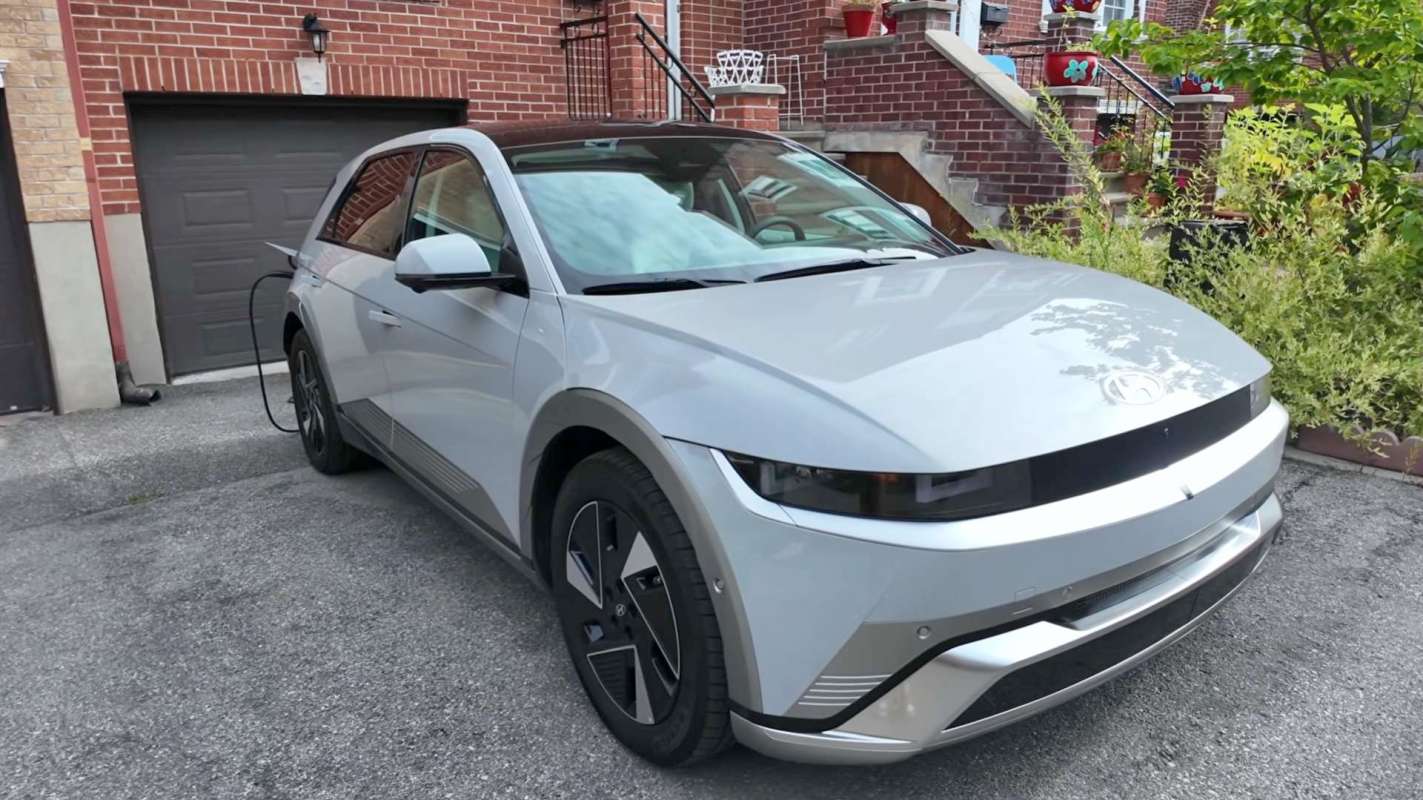
Long-distance electric vehicle trips still make some drivers uneasy, particularly when the route relies on public charging rather than plugging in at home. A road trip video from Canada offers the kind of real-world test many prospective buyers want to see before making the switch.
Here's what to know
The YouTube video from Greg, the creator behind Simply Gregster EV (@SimplyGregsterEV), follows a roughly 373-mile (600-kilometer) drive from Ontario to Quebec City in a 2026 Hyundai Ioniq 5. Along the way, he shows how the crossover's larger 84-kilowatt-hour battery and fast-charging capability hold up on a typical long-distance route.
He presents the journey as an owner's real-use experience rather than a manufacturer-style test drive. Because the drive passes through Quebec, the video also serves as a look at the province's charging infrastructure, showing how range, charging speed, and station access interact during an actual trip.
More background
For many would-be EV buyers, road trips remain the final hurdle. Plenty of drivers are already drawn to the quieter ride, lower maintenance needs, and reduced reliance on gas stations during daily commuting, but they still wonder how an EV holds up on a longer highway journey.
Personal trip logs like this one show whether the vehicle can cover the distance, whether the charging stops feel manageable, whether stations are easy to find, and whether the overall experience feels routine or nerve-racking.
There is also a financial angle.
TCD Picks » Quince Spotlight
💡These best-sellers from Quince deliver affordable, sustainable luxury for all




For households keeping a close eye on transportation costs, the difference can add up over time, especially when combined with the lower maintenance demands of EVs, which do not require oil changes and typically have fewer wear-prone engine components.
What can be done?
Planning still matters, but it is getting easier. Vehicles with larger battery packs and faster charging speeds can make intercity travel far more practical than outdated EV stereotypes might suggest.
It also helps to compare the most common long-distance routes, not just the daily commute. Charger coverage between major cities, the speed of those stations, and whether likely stops line up with meal breaks or rest time all factor in.
Maximum range alone is not the only consideration. Charging curves, weather, highway speed, and backup charging options can matter just as much as the official estimate on paper. Real-world videos like Greg's show the rhythm of the trip, not just the endpoint.
The drive suggests that a mainstream EV can handle this kind of route and, in a strong charging corridor, may cut costs while making road travel feel more routine than skeptics expect.
As the video's caption states, "The 2026 IONIQ 5 with its 84kWh battery and 260kw DC fast charging makes it one of the best EVs for the nearly 600km mission!"

Get TCD's free newsletters for easy tips, smart advice, and a chance to earn $5,000 toward home upgrades. To see more stories like this one, change your Google preferences here.






