


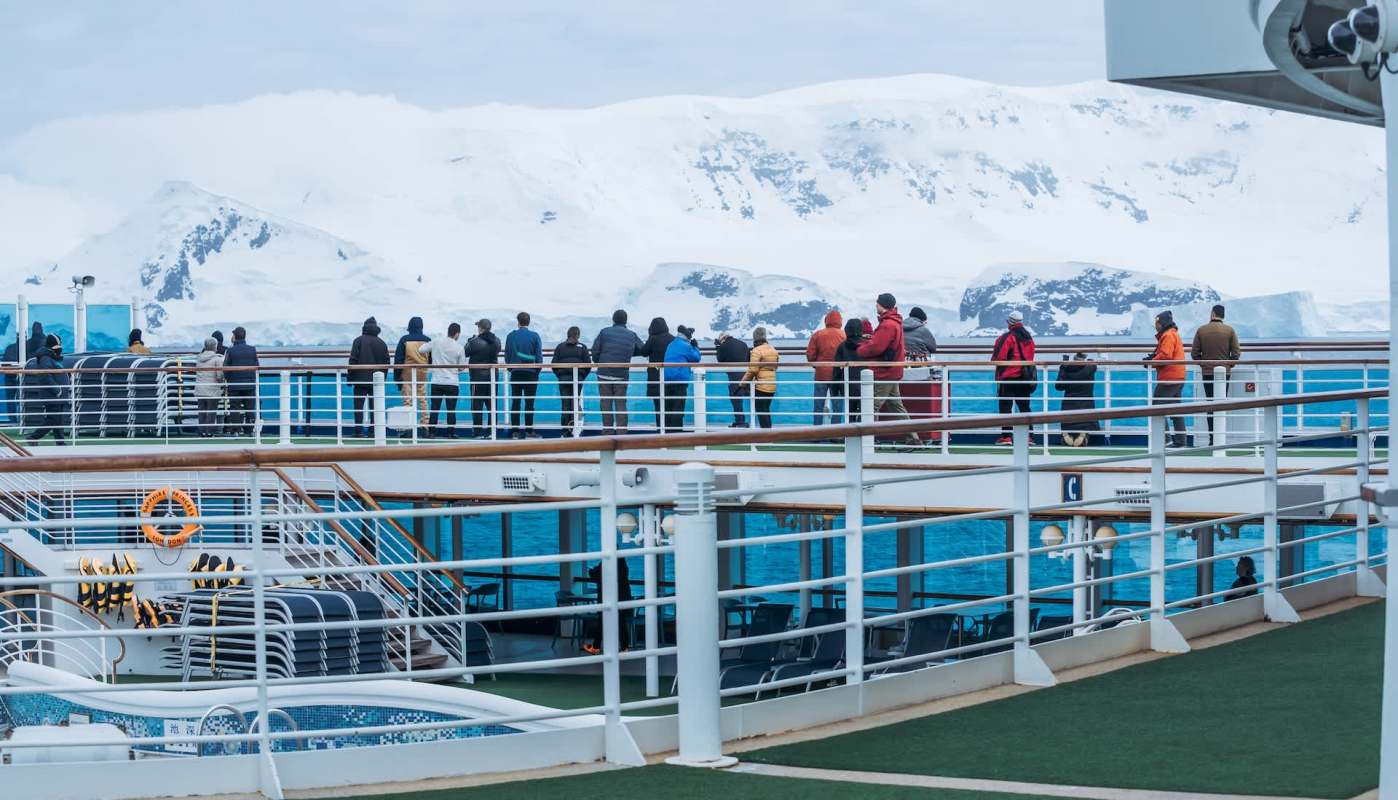
Antarctica draws travelers looking for a once-in-a-lifetime trip. Yet some of the guides who had led those voyages ultimately decided they could no longer take part.
Research on former expedition staff found that many left Antarctic tourism after witnessing firsthand damage to animals and sea ice, and questioned the emissions associated with bringing large numbers of visitors into such a delicate environment.
Here's what to know
In a study posted online July 8 in Annals of Tourism Research, researchers interviewed 25 former Antarctic tour guides. Many of them recounted "tipping point" episodes that pushed them to walk away from the work, according to Live Science.
The authors, University of Groningen social anthropologist Zdenka Sokolickova and polar tourism researcher Liz Cooper, said Antarctic tourism is growing fast. About 120,000 travelers visit each year, with projections indicating that the total could increase steeply.
Cooper called Antarctica trips "the most carbon-intensive form of tourism that you can engage in on Earth."
As she put it, "We do know that it's bad, but we don't really know how bad," particularly in terms of the combined strain on wildlife and the wider ecosystem.
TCD Picks » Quince Spotlight
💡These best-sellers from Quince deliver affordable, sustainable luxury for all




Former guides did not speak in abstractions; they described specific incidents that disturbed them. Among the examples in the study were ships breaking through sea ice so tourists could go ashore, a penguin chick caught in a boot hole left in the snow, and a separate polar-tourism case in which a whale was hit even after a guide warned the crew.
More background
Reaching far-flung destinations by plane and cruise ship contributes to atmospheric pollution, worsening global warming. That warming carries mounting costs and dangers for communities worldwide, including harsher weather, health risks, and strain on food and water supplies.
The study also underscored the personal strain on guides themselves. Sokolickova said some spent years coming to terms with the fact that a job they loved no longer aligned with their principles, particularly when they felt strongly committed to protecting Antarctica.
Leaving was not simple. Researchers said some former guides missed the work, but many also described relief and later moved into pursuits they saw as more useful, such as sustainability jobs, wildfire response, or starting environmental groups.
A number of participants said the decision felt lonely, a sign that people working nearest to vulnerable landscapes may still feel pressure not to speak openly about the harm they see.
What can be done?
Before booking a trip to a remote destination, the researchers said travelers should pause over two questions: Why do I want to go, and could I get a similar experience in a way that causes less harm?
Cooper urged would-be tourists to "properly research the impacts" of any journey and to consider lower-emission options wherever possible, such as taking rail instead of flying.
Sokolickova's view was blunt: "If it's just to tick off the seventh continent or the 75th country, or if it's just to show off on social media that you have a selfie from the Antarctic continent, then it's not worth this enormous carbon footprint."

Get TCD's free newsletters for easy tips, smart advice, and a chance to earn $5,000 toward home upgrades. To see more stories like this one, change your Google preferences here.






