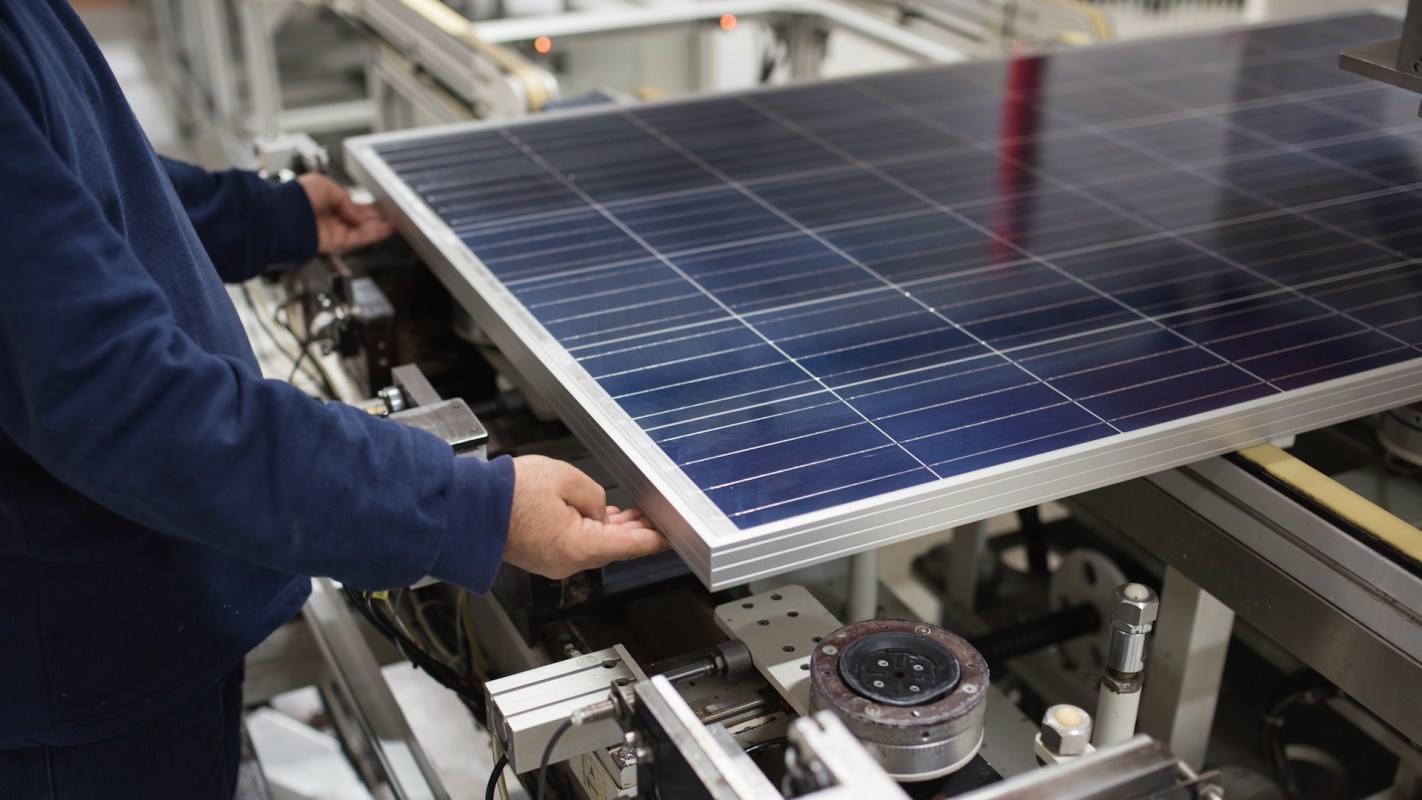
Factory openings are reshaping the U.S. solar industry, signaling a domestic manufacturing surge that looked far less likely only a few years ago.
By June 2026, U.S. solar module manufacturing capacity was nearing 70 gigawatts, up from roughly 8 gigawatts — an increase of more than 750%.
Here's what to know
That growth was spotlighted by The Electric Viking (@electricviking) in a YouTube video.
In June, Qcells began full ingot-to-panel cell production in Cartersville, Georgia — the first U.S. facility of that kind in more than a decade. That step is part of a broader expansion largely tied to Inflation Reduction Act tax credits, with companies such as Qcells, First Solar, and T1 Energy helping to drive the domestic buildout.
Summerville, South Carolina, is home to one of the newest additions: Translucent Solar's 281,000-square-foot factory.
By the end of 2026, the company expects the site to support 167 jobs, provide 1.2 gigawatts of annual capacity, and make high-efficiency modules for utility, commercial, and residential customers.
TCD Picks » Quince Spotlight
💡These best-sellers from Quince deliver affordable, sustainable luxury for all




Other projects have added fresh module and cell capacity as well, including facilities from SEG Solar in Texas, Canadian Solar in Indiana, and ES Foundry in South Carolina.
The creator summed it up this way: "Whatever you think of tariffs, factories are getting built."
Among the comments, one viewer wrote, "Panel cost is not the major factor anymore, the rest of the installation cost is."
More background
Solar has moved well beyond niche status in the energy mix.
Building more equipment domestically could reduce supply-chain complexity, add jobs, and give utilities and homeowners easier access to the hardware they need without relying as heavily on imports.
A larger U.S. manufacturing base may also help steady prices, shorten project timelines, and encourage broader use of cleaner electricity that can cut household energy bills.
For homeowners, combining solar with battery storage can provide more resilience during outages and periods of peak demand.
The video also pointed to a tradeoff: panels made in the U.S. still generally cost more than Chinese-made panels, largely because Chinese manufacturers operate at a much bigger scale.
So lower prices may not arrive immediately.
What's being done?
Private investment, trade policy, and federal incentives are all helping power the current factory wave.
New plants are appearing across the South and Midwest, sometimes by reusing existing industrial buildings, which can help return manufacturing jobs to communities that lost them.
If you're considering panels for your home, EnergySage can help you compare competitive bids from local installers without giving out your contact information unless you decide to move forward with one. That can make it easier to shop around and avoid overpaying.
A bigger domestic solar supply chain can also support grid expansion, help utilities bring cleaner power online more quickly, and ease some of the bottlenecks that have slowed adoption.
As managing director Augustus Rylands put it, "Solar plus storage made up over 80% of all new additions to the US grid last year. More than gas, more than nuclear and obviously more than coal."

Get TCD's free newsletters for easy tips, smart advice, and a chance to earn $5,000 toward home upgrades. To see more stories like this one, change your Google preferences here.