The El Niño weather system building in the Pacific Ocean — already being labeled a "Godzilla" event — may have consequences that extend well beyond hotter temperatures and sharper swings between flooding and drought.
Researchers warn that the disruptions tied to it could deepen food shortages, with one projection estimating that 50 million people may face acute food insecurity before the end of 2027.
Here's what to know
According to The Guardian, a new study shows that El Niño is not just amplifying the warming caused by fossil fuel emissions — but also that human-driven climate change may be making El Niño stronger.
El Niño normally appears every two to seven years when waters in the eastern tropical Pacific grow unusually warm, The Guardian reported. Scientists expect this event to be among the strongest in living memory, and they say the hotter planet is raising the chances of especially powerful El Niños.
For the Science study, researchers examined chemical traces preserved in coral fossils from the Galápagos Islands spanning the past 1,000 years. That evidence showed El Niño variability is now about 37% higher than it was before industrialization, the outlet reported.
More background
Lead author Julia Cole, a climate researcher at the University of Michigan, told The Guardian that the results pointed to a troubling feedback loop.
TCD Picks » Quince Spotlight
💡These best-sellers from Quince deliver affordable, sustainable luxury for all




"Our findings suggest El Niño can supercharge global warming but also global warming can supercharge El Niño," Cole said.
The weather shifts associated with El Niño can hit food production in several places at once, as The Guardian reported. Parts of South America and the Southern United States can experience drenching rain, while India's monsoon season may weaken, and drought risks can rise in countries including Indonesia and Australia, shrinking harvests and pushing up food prices.
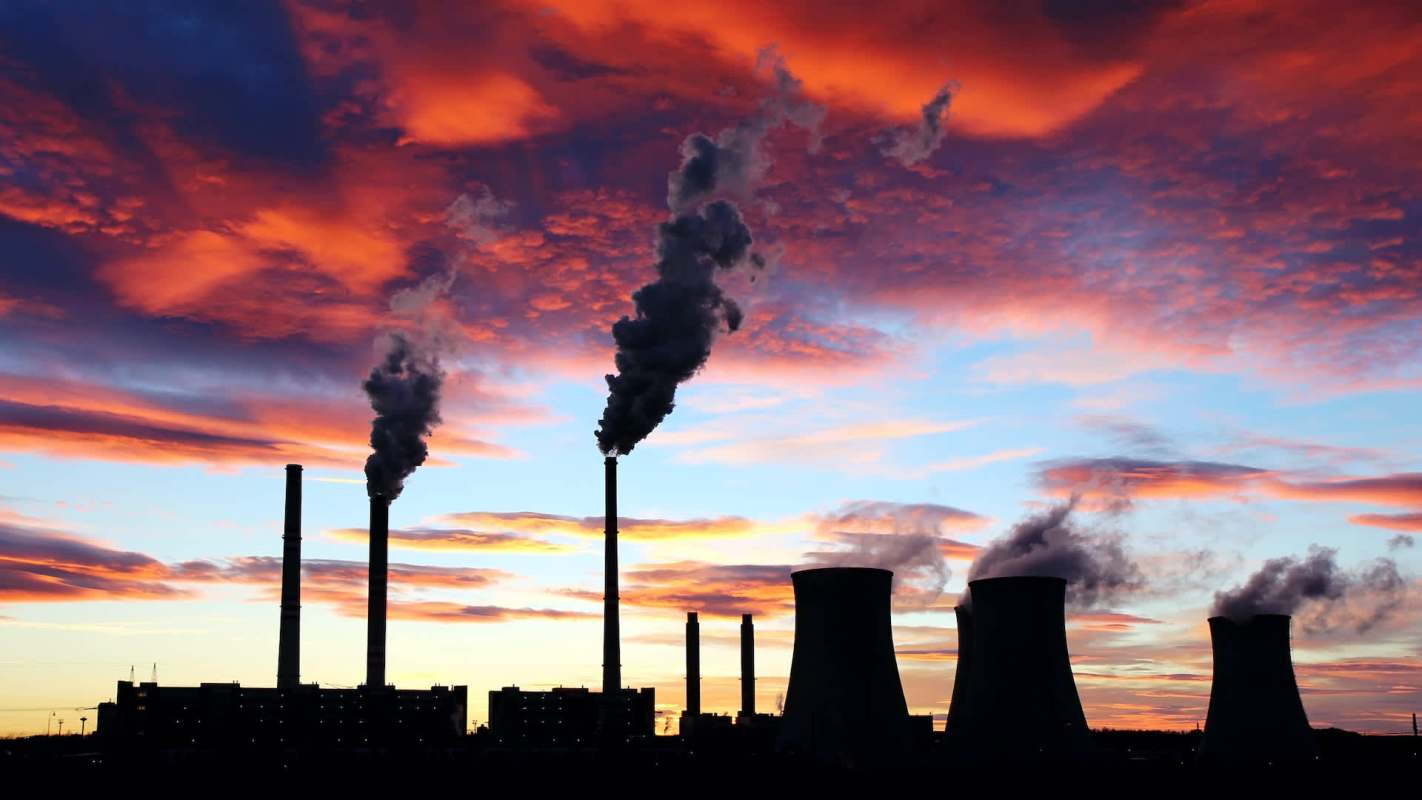
The fossil fuel industry plays a major role in that risk. Coal- and natural-gas-fired power plants release planet-warming pollution while also contributing to air and water pollution linked to asthma, heart disease, cancer, and premature death.
They can keep household energy costs high, too, by locking families into fuels with volatile prices instead of more abundant energy sources such as sunlight and wind.
Industry lobbying has slowed cleaner, cheaper energy solutions that could better protect families, lower utility bills, and reduce the climate impacts that make extreme events such as El Niño even more dangerous.
What's being done?
Researchers say governments should act sooner to prepare for the chain-reaction effects of major climate swings. Cole highlighted adaptation steps such as food stockpiling, which India is already undertaking.
Scientists are using coral records, ocean data, and climate models to improve forecasting so communities can better prepare for flooding, drought, crop losses, and extreme heat. Better warning systems can give farmers, emergency planners, and families more time to respond.
For households, preparation may mean monitoring local weather alerts, reviewing flood or wildfire risks, and planning for possible spikes in food and energy prices during severe climate events. On the energy side, reducing reliance on fossil fuels through cleaner options can cut both pollution exposure and long-term utility costs.
Co-author Samantha Stevenson-Karl, a scientist at the University of California, Santa Barbara, told The Guardian that the largest El Niño events could become more frequent.

Get TCD's free newsletters for easy tips, smart advice, and a chance to earn $5,000 toward home upgrades. To see more stories like this one, change your Google preferences here.