Adding extra hot-water storage to a home can seem like an easy way to improve comfort, but one homeowner learned it may not be as appealing an idea as it seems when put into practice.
Here's what to know
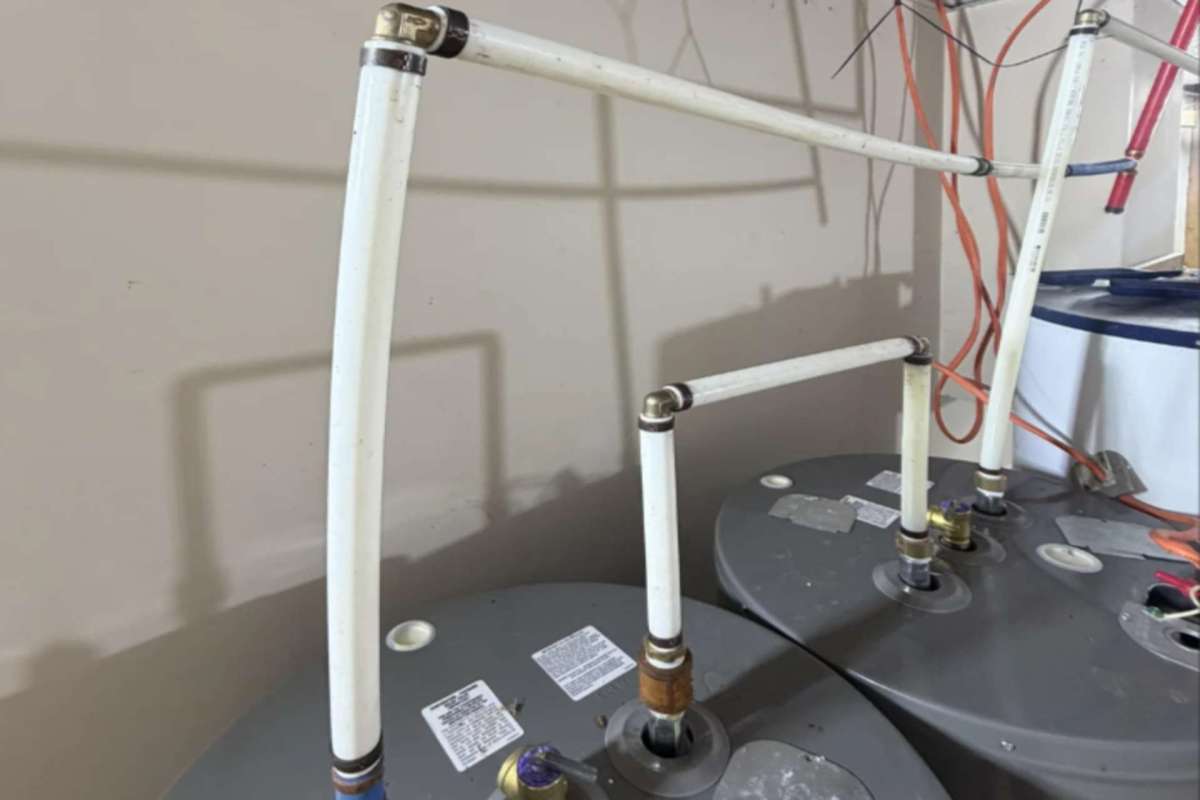
A homeowner turned to Reddit after installing a second tank in series and found the system no longer delivered truly hot water.
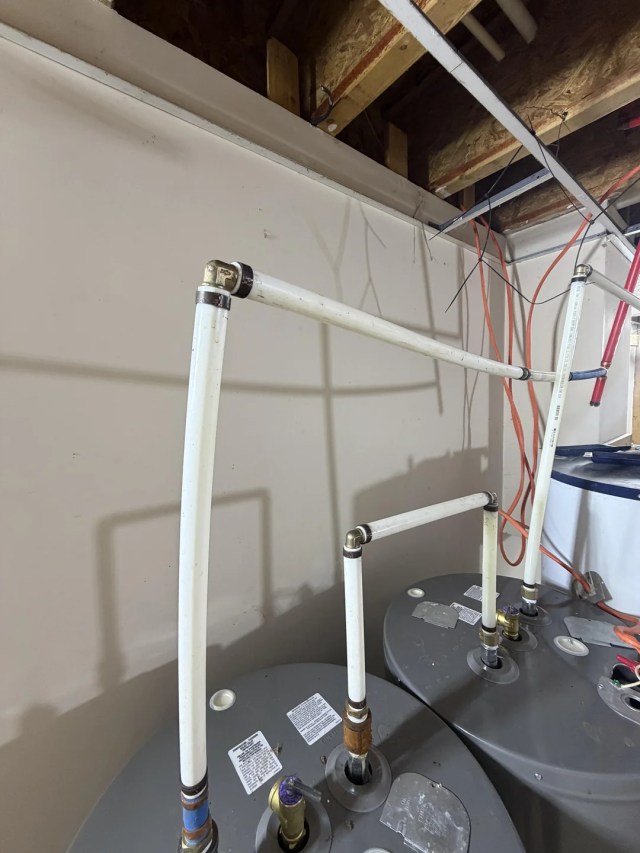
"I added another water heater and now only have lukewarm water. I had hot with the existing one," the homeowner wrote.
According to the post, both units had 240 volts, all four heating elements tested between 12.4 and 12.8 ohms, and the thermostats remained near the factory setting of about 120°F.
One commenter explained, "The heaters are plumbed in series. It's debatable whether they should plumbed in series or parallel. In series one heater is basically a holding tank maintaining temp."
Other commenters reviewed the installation photos and raised concerns about the relief valve and electrical connections.
TCD Picks » Quince Spotlight
💡These best-sellers from Quince deliver affordable, sustainable luxury for all




The homeowner shared a short update saying the reset switch on tank 2 had tripped.
More background
For a household that keeps running short on hot water, adding a second tank can seem like a less expensive option than replacing the whole system or paying for a larger upgrade.
When a setup like that works correctly, the extra stored hot water can make it easier to keep up with showers, dishes, and laundry while reducing pressure on a system that may already be too small for the home's needs.
In this situation, though, the added capacity quickly became a comfort issue.
With two tanks in series, a heating problem in one unit can leave a household without hot water it expected. A change meant to save money can then turn into wasted power, added strain on equipment, and potentially bigger repair bills later.
The comments also highlighted a separate concern tied to this kind of project: safety.
Plumbing shortcuts or questionable wiring might not affect the utility bill right away, but they can lead to larger and costlier problems over time.
What can be done?
Troubleshooting carefully before swapping out parts or buying more equipment can help homeowners avoid unnecessary costs.
Here, the homeowner had already verified the voltage and checked the resistance of the elements, yet the problem was still a tripped reset switch on the second tank.
A hot-water problem does not always mean the heater itself has failed. In some cases, a smaller targeted repair is much less expensive than replacing the unit, especially when the main components are still working.
Expanding hot-water capacity can be a useful comfort upgrade, but it only works if the system is heating properly and the installation is safe.
If not, households can wind up spending more and getting less comfort in return.

Get TCD's free newsletters for easy tips, smart advice, and a chance to earn $5,000 toward home upgrades. To see more stories like this one, change your Google preferences here.