


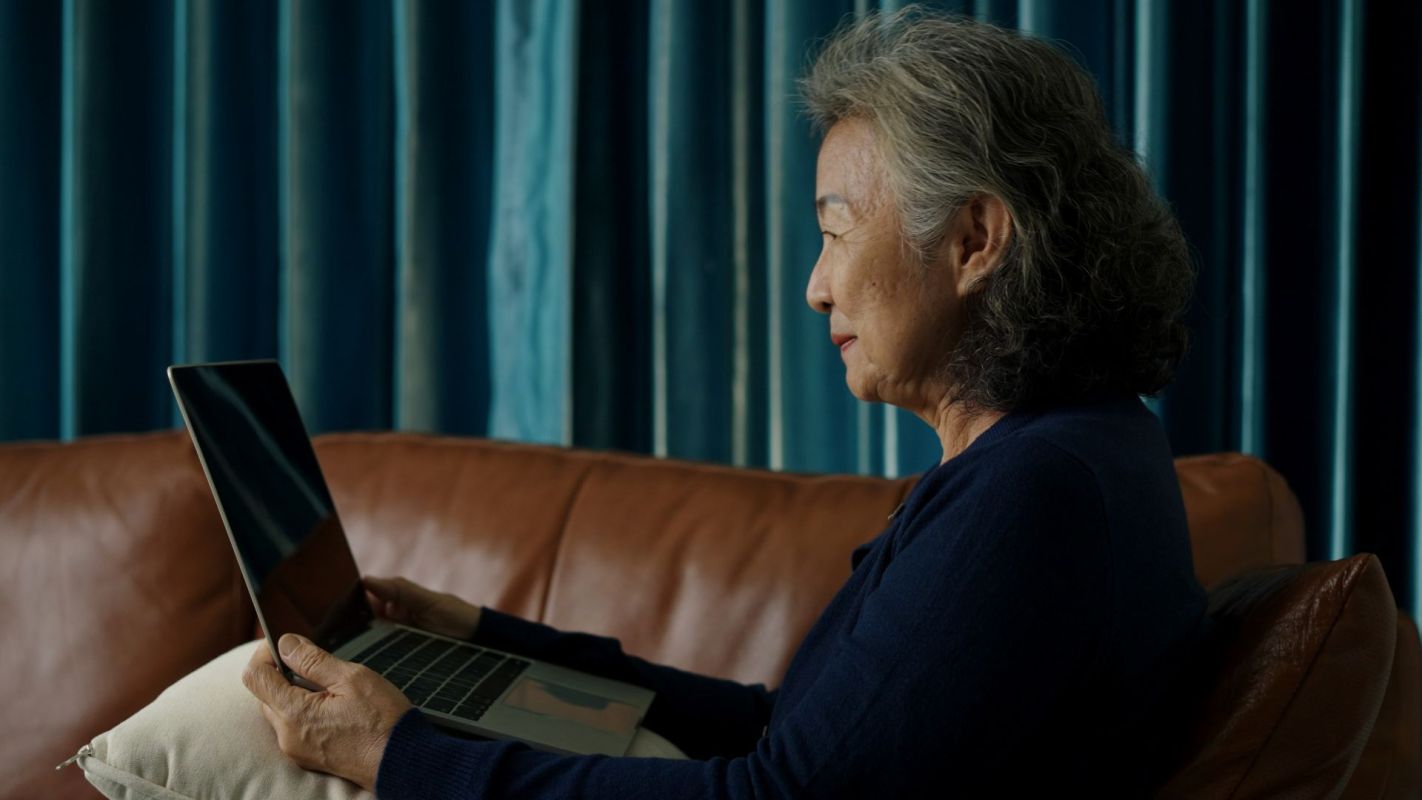
Scammers are reportedly exploiting MyChart, one of the most widely used patient portals in the country, by sending fake messages that impersonate the service to steal sensitive information.
The scheme is especially alarming because hospitals have said it appears to target older adults, particularly those managing Medicare, appointments, and test results online.
Here's what to know
According to the Naples Daily News, hospitals in Florida and other parts of the country are cautioning patients about phishing messages that borrow the MyChart name and branding.
In some cases, the bogus outreach advertises a "MyChart Medicare Kit" or wellness programs as bait to persuade people to click harmful links or disclose personal information.
The list of hospitals warning patients has reportedly reached 20, with Tampa General Hospital and Tallahassee Memorial Healthcare among them.
In Southwest Florida, Lee Health and Naples Comprehensive Health said they have not found any patients harmed by the scam and have seen no direct effect on their systems.
TCD Picks » Quince Spotlight
💡These best-sellers from Quince deliver affordable, sustainable luxury for all




Lee Health spokesperson Jaclyn Bevis emphasized that patients should not view the messages as legitimate hospital outreach.
"We encourage anyone who receives a suspicious message to avoid clicking on links or providing personal details," Bevis advised, per the Naples Daily News.
Naples Comprehensive Health confirmed that it is also keeping a close watch on the issue.
"We continue to closely monitor the situation and maintain safeguards to protect patient information," said Andrew Cooper, the health system's chief digital and access officer.
More background
MyChart is used on a vast scale in the American healthcare system. The portal is connected to Epic Systems, which accounts for about 44% of the hospital market for electronic medical records in the U.S.
Epic's records cover about 253 million U.S. patients, and roughly 190 million people have a MyChart account, per Naples Daily News.
With that kind of reach, scammers can make a message look convincing by attaching a familiar logo or trusted health care name, particularly when Medicare or health benefits are mentioned.
Trevor Berceau, Epic's director of research and development, posted on the company's MyChart site warning users about an increase in attempts to deceive users through fake emails, text messages, phone calls, and websites that appear official.
"Some might try to steal your login information or promise free gifts if you enter payment details," he acknowledged.
What can be done?
Hospitals are reiterating the same basic advice: avoid clicking links in suspicious emails or texts that claim to be from MyChart. Patients are also being told to sign in directly via their hospital's official website or the MyChart app.
Hospitals told patients not to share Medicare details, login information, payment data, or other personal information in response to unexpected messages. If something seems off, the safest move is to contact the hospital system directly.
Naples Comprehensive Health has also warned patients to be wary of unsolicited phone calls, noting that phishing efforts often extend beyond email.
Hospitals are continuing to monitor the scam and strengthen safeguards, and Berceau noted that it was not due to a security lapse in MyChart systems.
"The increase in attempts is due to scammers taking advantage of the popularity of the MyChart brand rather than any security concern, so you can continue to use MyChart as normal," Berceau affirmed. "If something doesn't feel right, however, stop and check."

Get TCD's free newsletters for easy tips, smart advice, and a chance to earn $5,000 toward home upgrades. To see more stories like this one, change your Google preferences here.






