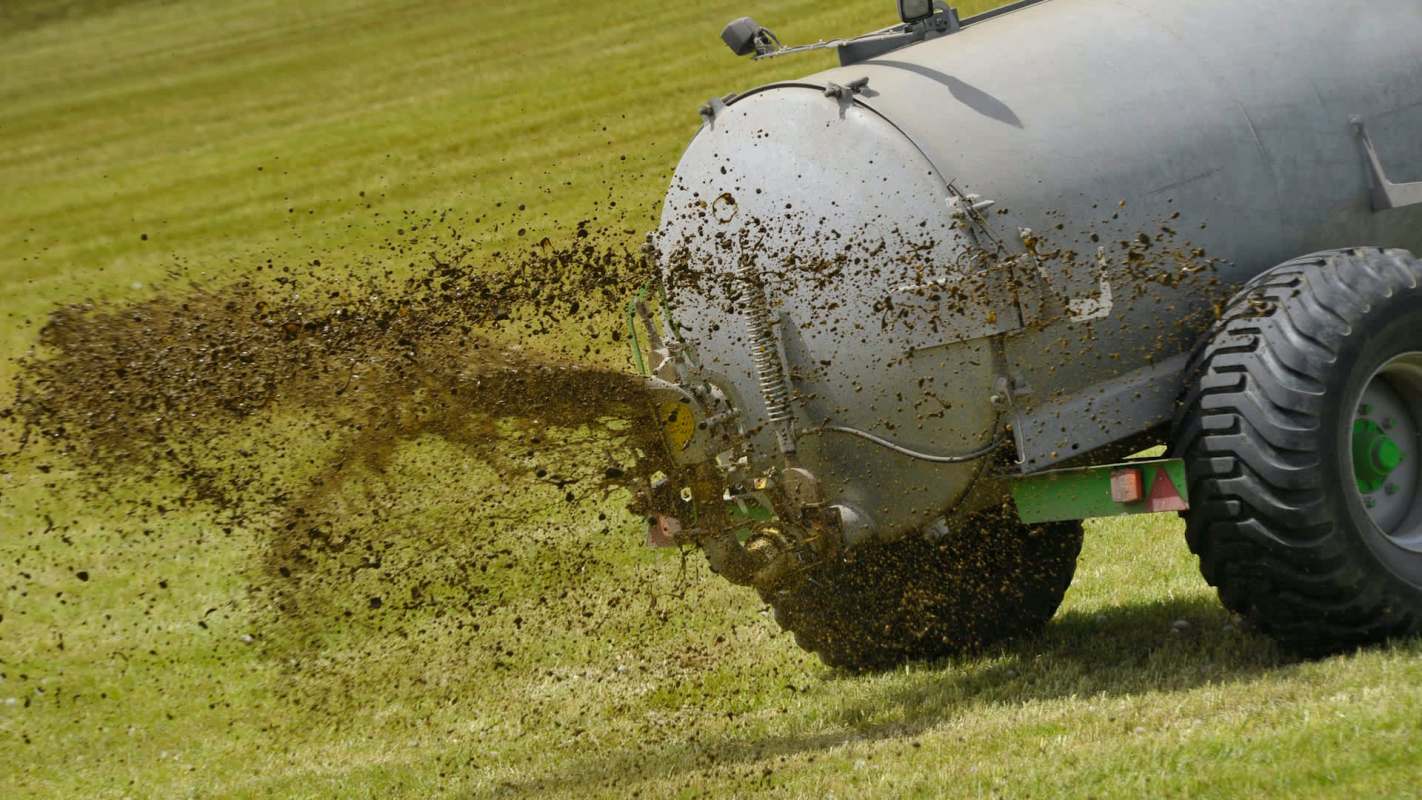
South Carolina's use of sewage sludge on farm fields is facing renewed scrutiny as a Yale scientist works to map the threat posed by PFAS, the "forever chemicals" that can linger in soil and water for years.
The issue points to a troubling pattern: waste-disposal practices that may cut costs for larger systems while leaving nearby families, farmers, and communities to live with the possible consequences.
Here's what to know
According to a report from The State, farmland treated with sludge is raising concerns about PFAS, and researchers are working to better pinpoint where contamination may pose the greatest risks.
PFAS, or per- and polyfluoroalkyl substances, are a large group of human-made chemicals used in a wide range of consumer and industrial products. They are often referred to as forever chemicals because they do not break down easily.
That persistence is a major reason scientists and regulators have become increasingly concerned about how these substances move through wastewater systems and end up in sewage sludge, sometimes called biosolids.
When that sludge is applied to agricultural land, nearby residents may worry about whether those chemicals could enter private wells, nearby streams, livestock, or crops.
TCD Picks » Quince Spotlight
💡These best-sellers from Quince deliver affordable, sustainable luxury for all




Officials need a clearer understanding of where the risks may be concentrated and who could be affected.
More background
Spreading sludge on farmland has often been framed as a useful form of recycling. But critics have long argued that the practice can also serve as a convenient way to move waste out of treatment systems and onto rural land, where oversight and public awareness may be weaker.
That becomes especially concerning when the waste stream may contain long-lasting industrial chemicals. In those cases, what is presented as a sustainable solution can look more like an irresponsible shortcut, shifting uncertainty and possible harm onto farmers and nearby households.
If contamination concerns grow around a property, families can face costly water testing, anxiety over food production, and new questions about land value. Farmers can also be put in a difficult position if they relied on a material described as beneficial, only to later learn it may carry hidden risks.
What's being done?
Mapping PFAS threats can help identify likely hot spots, guide testing, and shape smarter policy. Better data can also help officials warn residents sooner and direct resources where they are needed most.
Beyond mapping, stronger safeguards can include testing biosolids before land application, increasing monitoring of farmland and nearby water sources, and tightening controls on industrial pollution entering wastewater systems.

Get TCD's free newsletters for easy tips, smart advice, and a chance to earn $5,000 toward home upgrades. To see more stories like this one, change your Google preferences here.