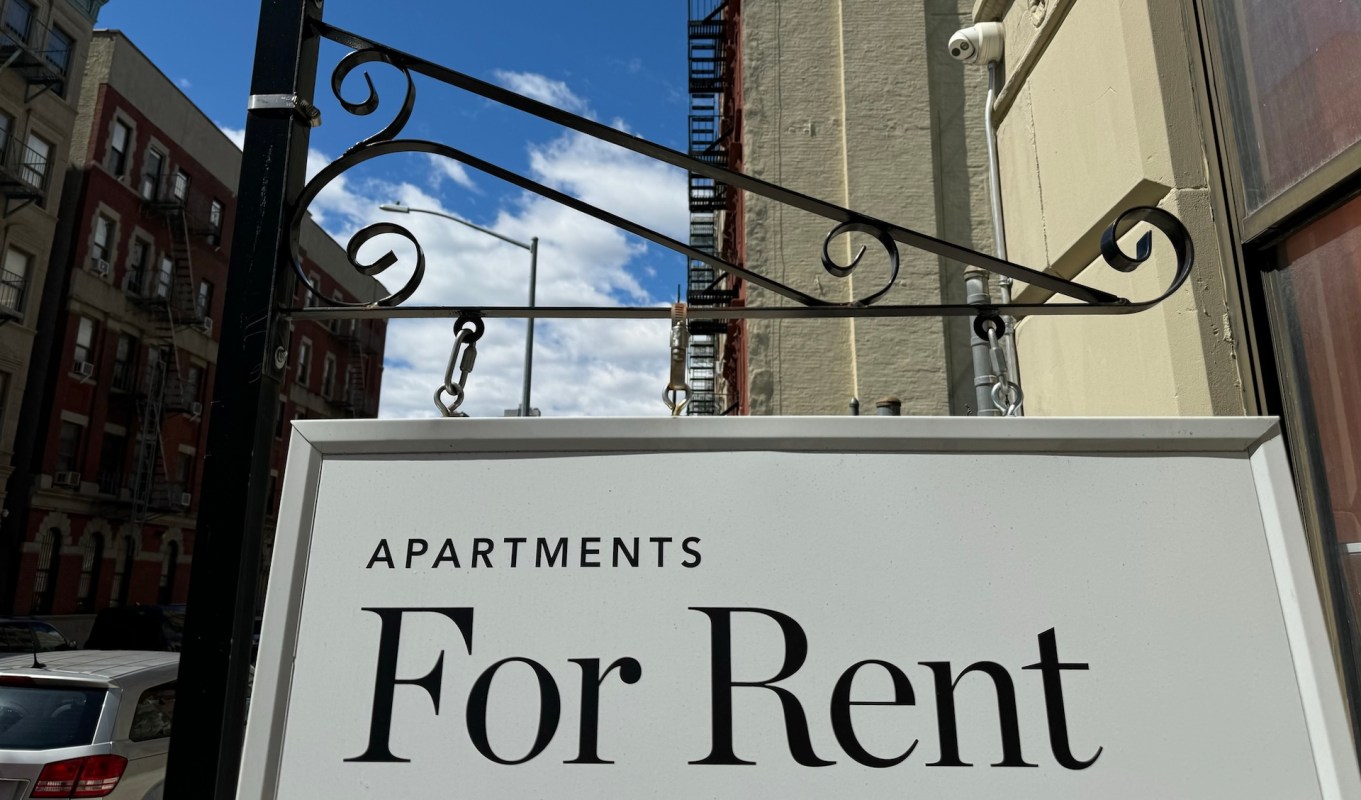
Compass is facing a lawsuit from two New York City renters who said its decision to take listings off StreetEasy has made the city's costly apartment market even tougher.
At the center of the proposed antitrust case is the claim that when listings vanish from a platform many New Yorkers rely on, renters end up bearing the cost.
Here's what to know
As Courthouse News Service reported, the complaint was filed in federal court in Manhattan and targeted two parts of Compass' approach: private exclusive listings and the removal of apartments from StreetEasy, Zillow's subsidiary.
Manhattan renter Charles Lieberman argued that keeping units off that major rental site reduced the supply visible to the public and helped push prices upward.
In the complaint, Lieberman said Compass is "responsible for a conspiracy to monopolize and harm hardworking New Yorkers in the New York City-metro area." He also said the brokerage's listing practices created "an existential surge in the price of rental unit-specific apartments in New York City."
The complaint linked Compass' position to years of acquisitions and alleged that by 2025 the company controlled more than 80% of Manhattan rental listings. That claim has not been proven in court.
TCD Picks » Quince Spotlight
💡These best-sellers from Quince deliver affordable, sustainable luxury for all




With less inventory shown on the platforms renters commonly use, it can become harder to compare prices, avoid broker fees, or tell when an apartment is overpriced.
More background
This suit arrives in the middle of Compass' clash with Zillow over online listing control. In that separate dispute, Compass accused Zillow of unlawfully keeping listings off its platform when agents advertised them elsewhere first.
In a city where apartments can disappear within hours and every added fee stings, these platforms shape what renters see, what they miss, and how much leverage they have.
According to Courthouse News Service, Lieberman said the drop in StreetEasy listings left him paying more than $800 above market for a Manhattan one-bedroom. He also argued that renters who turn to Compass' own platform instead may wind up paying for a broker's services.
Courthouse News noted that Compass and Zillow did not immediately comment on the new lawsuit.
What's being done?
The renters are asking a judge to examine whether Compass' business practices unfairly reduced competition and drove up housing costs for New Yorkers.
A related Compass-Zillow case is already under judicial review. U.S. District Judge Jeanette Vargas declined to block Zillow's policy while that separate litigation proceeds, underscoring that courts are weighing how much these platforms can influence consumer choices.
The case asks whether housing search tools are being used to expand access or create artificial scarcity that leaves ordinary people paying more for the same apartment.
As Judge Vargas wrote in the earlier case, "Given that consumers use multiple online home search platforms simultaneously at little or no cost, Zillow's brand recognition and related network effect do not appear to have deterred prospective home buyers from cross-shopping amongst competitors or new entrants."

Get TCD's free newsletters for easy tips, smart advice, and a chance to earn $5,000 toward home upgrades. To see more stories like this one, change your Google preferences here.