


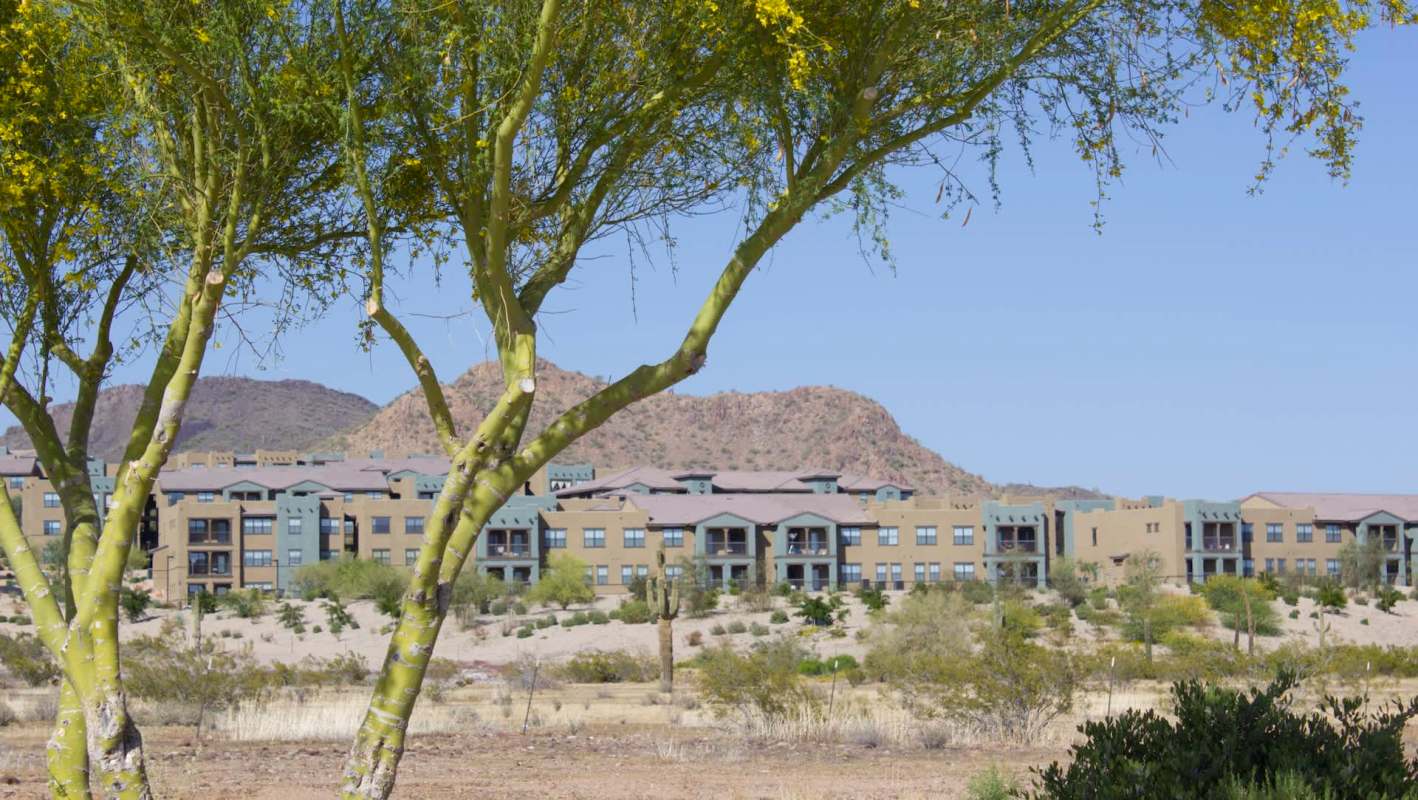
The average rent in Phoenix still sits below the U.S. average, yet that relative advantage can be diminished by heavy summer air conditioning expenses.
A new rental snapshot shows that even a relatively small increase in rent can still push the income needed to stay financially comfortable much higher for many households.
Here's what to know
According to Zillow's July rental data summarized by AZFamily, Phoenix's average rent was $1,727 in July. That was 0.3% higher than in July 2025, although still below the national July average of $1,962.
A typical Phoenix-area renter would need about $69,094 in annual income to afford a standard rental.
Nationwide, the income needed for a typical rental was roughly $78,488 a year, and Zillow said rent growth reached 2.3% — the fastest pace in more than a year.
For homeowners who are feeling squeezed by bills, going solar is one of the best ways to save money on home energy. It may be worth exploring EnergySage to get free solar installation estimates and compare quotes.
More background
Renting remains expensive, but buying a home is even farther out of reach for many Americans.
Zillow estimated that affording a typical mortgage in the U.S. requires nearly $99,800 in yearly income, which is more than $21,000 above the amount needed for a typical rental — a gap that could keep more people in the rental market longer, adding pressure even in cities where rents are not rising as quickly as the national average.
Save $10,000 on solar panels without even sharing your phone number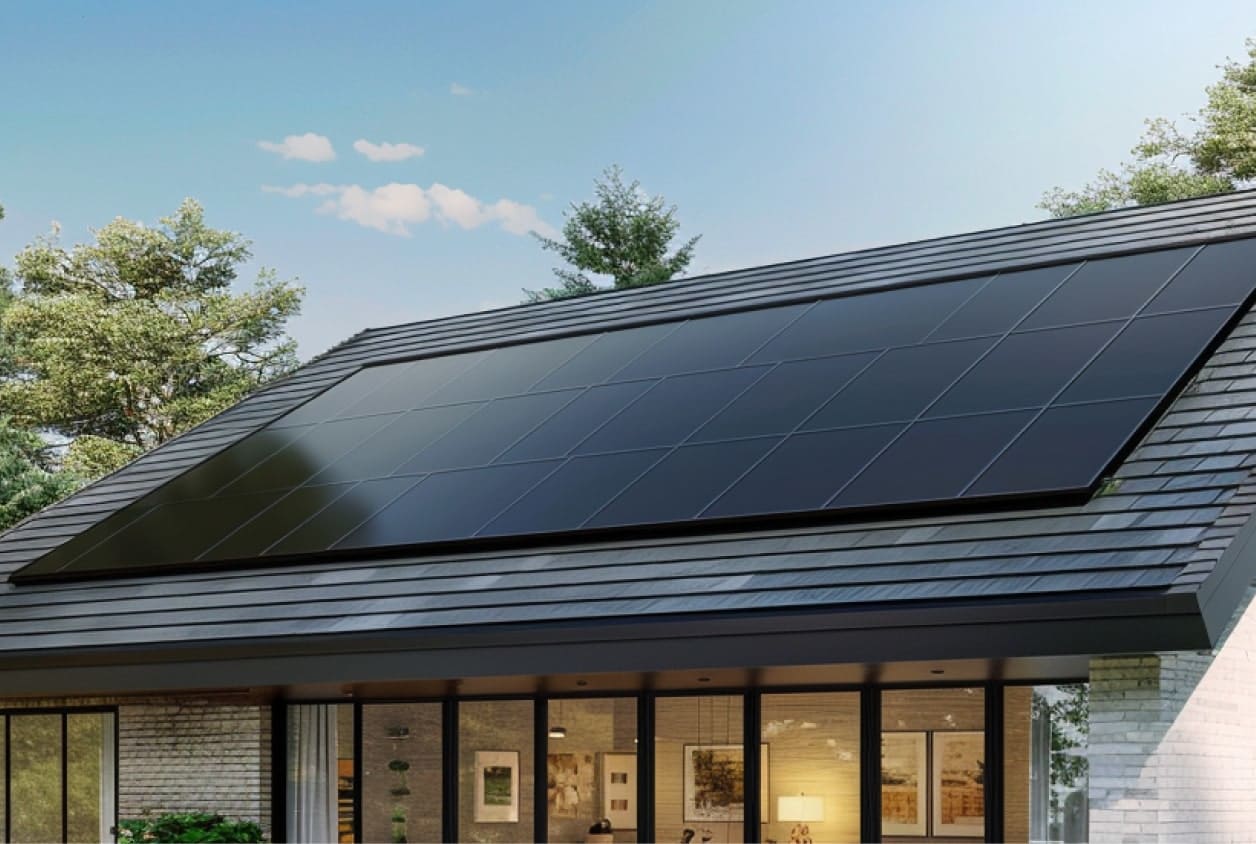 Want to go solar but not sure who to trust? EnergySage has your back with free and transparent quotes from fully vetted providers that can help you save as much as $10k on installation. To get started, just answer a few questions about your home — no phone number required. Within a day or two, EnergySage will email you the best local options for your needs, and their expert advisers can help you compare quotes and pick a winner. |

And in Phoenix, monthly housing costs extend beyond the lease payment, since summer air conditioning use can sharply increase household monthly spending.
On paper, Phoenix fares somewhat better than the country as a whole, but that does not necessarily translate into noticeable relief for local renters.
What can be done?
For renters, revisit monthly budgets, check whether there is room to negotiate at lease renewal, and compare neighborhoods or unit sizes before signing a new lease. Even small savings on utilities can make a difference when housing already takes up a large share of income.
For homeowners looking to cut another major recurring expense, EnergySage's free services can be a useful tool. With EnergySage's help, the average person can save up to $10,000 on solar purchases and installations. EnergySage's solar map shows the average cost of a home solar panel system on a state-by-state level, along with solar panel incentives available in each state. Together, these resources can help readers get the best price for rooftop solar panels and access available incentives.
More From EnergySage
💡Go deep on the latest news and trends shaping the residential solar landscape
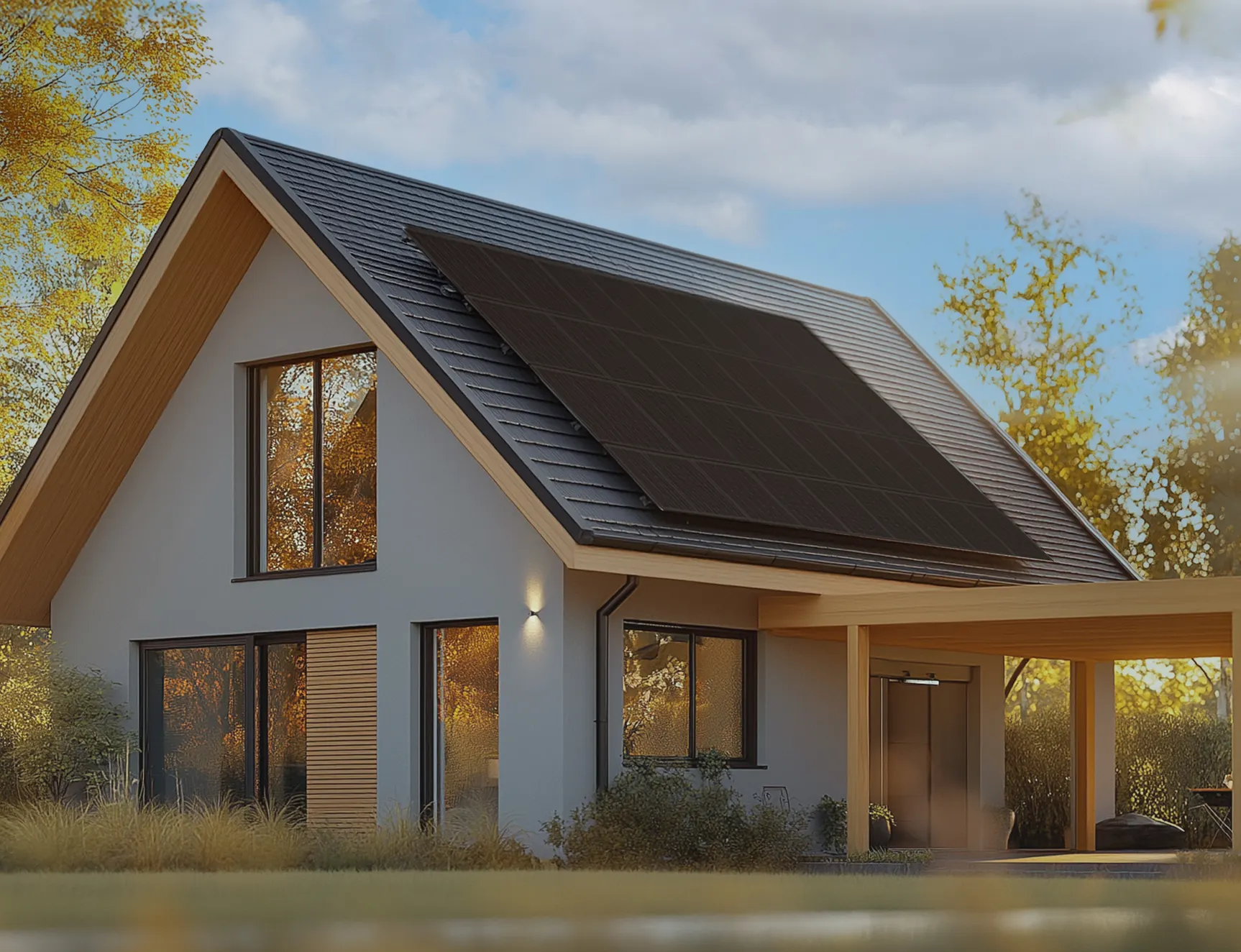
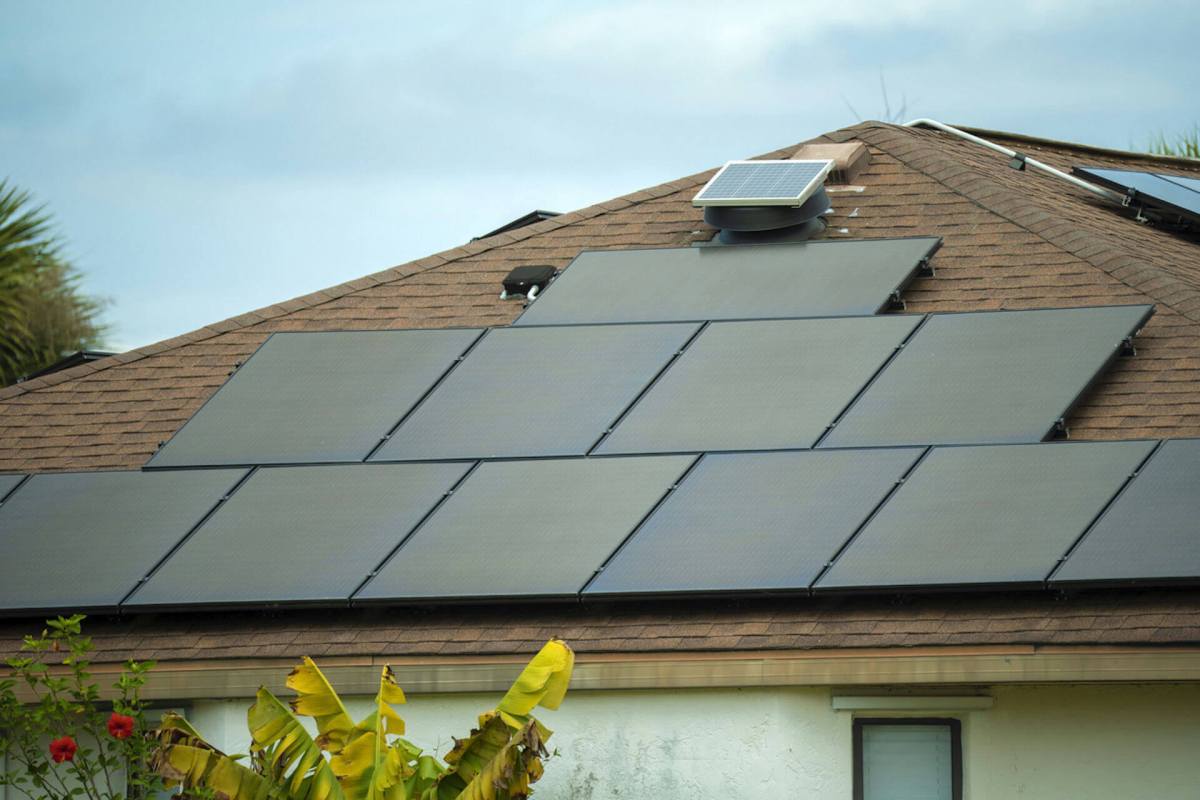
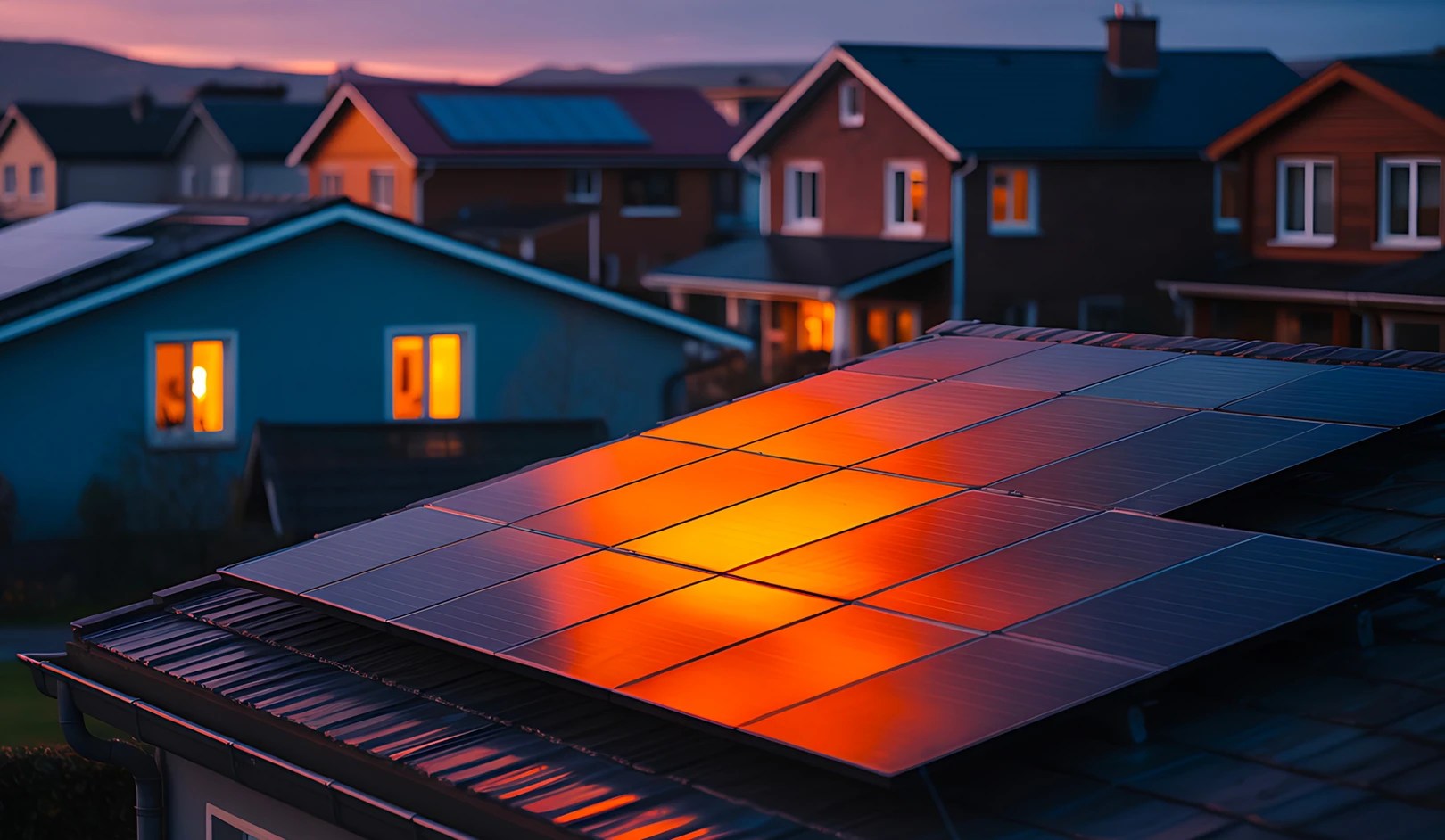

Adding battery storage to a solar setup is also one of the best ways to protect your home during outages, save money on energy, and go off-grid. For households worried about both rising bills and power disruptions, that extra backup can add resilience as well as long-term savings. Readers can also explore EnergySage for information about home battery storage options, including competitive installation estimates.

Get TCD's free newsletters for easy tips, smart advice, and a chance to earn $5,000 toward home upgrades. To see more stories like this one, change your Google preferences here.






