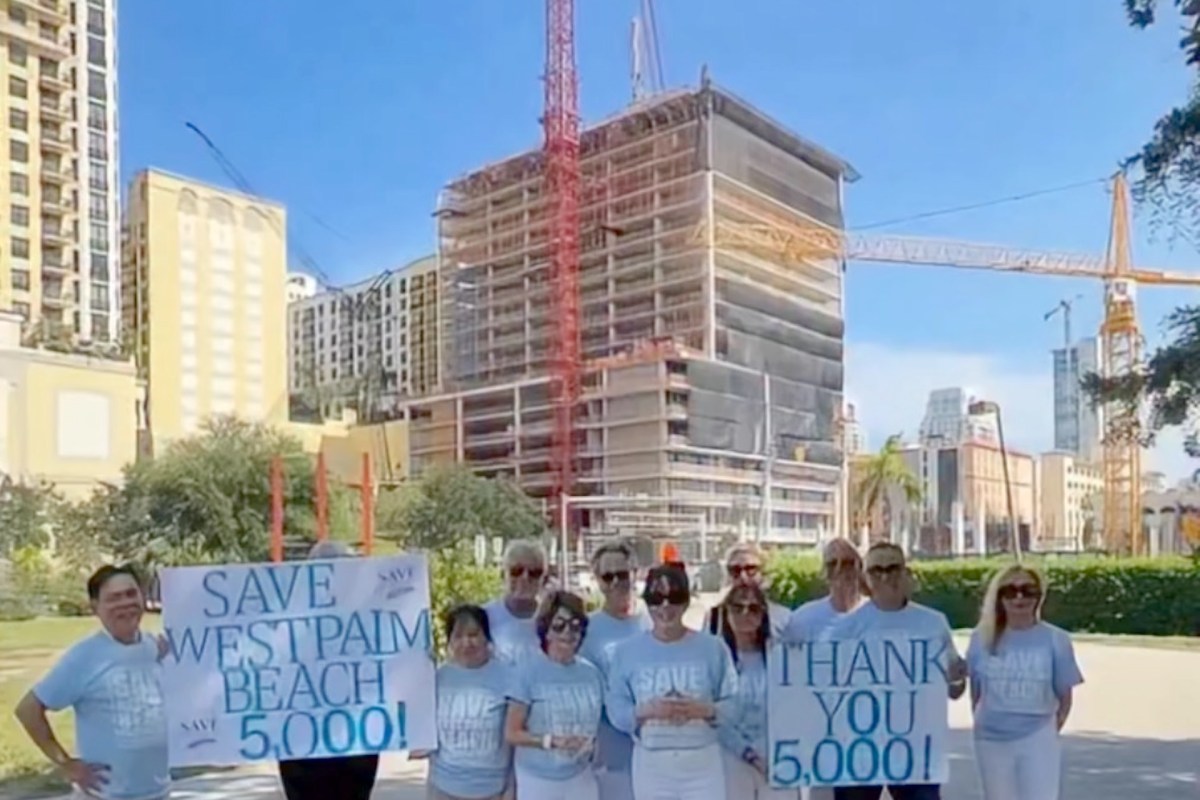
In West Palm Beach, a fight over development has two fronts: Mayor Keith James has rejected a proposed two-year pause on major new development requests, while resident group Save West Palm Beach says the city still has not independently measured what the ongoing building surge is doing to traffic and infrastructure, WPBF reported.
Here's what to know
At a City Commission meeting, James made clear he does not back the two-year moratorium sought by Save West Palm Beach.
The proposal would have applied to major requests regarding height, zoning, and density, while allowing projects already approved or under construction to continue.
In arguing against the pause, James cited the city's existing growth-management system, including its comprehensive plan, zoning code, land-development regulations, staff review process, and public boards, according to WPBF.
He also said development can provide resources a larger city needs.
"Growth brings impacts that we must carefully manage, but it also expands our tax base, contributes fees and other revenues, and can help support the infrastructure, transportation, housing, and public services a growing city requires," James said.
TCD Picks » Quince Spotlight
💡These best-sellers from Quince deliver affordable, sustainable luxury for all




Save West Palm Beach believes that response misses its central concern.
According to the group, the pause was meant to create space for independent, city-led studies examining the cumulative effect of approved, proposed, and active development across West Palm Beach.
After James spoke, the group reiterated that position concisely: "The data is the point."
More background
The disagreement is not about just one tower or one zoning request.
Rather, it is about whether a fast-growing city is reviewing projects one by one while residents experience their combined effects all at once.
As one example, Save West Palm Beach co-founder Fatima Sanandaji cited the approved 400 Hibiscus project, planned as Banyan Tree Residences.
She told Investigative Reporter Terri Parker that the traffic analysis reached only a small area around the site.
"It was only completed about a little like, four blocks, maybe three blocks around it," Sanandaji explained, per WPBF.
Save West Palm Beach said its interactive map now includes 67 projects in the city, and roughly eight more have been identified but not added yet because they remain in pre-application stages.
The coalition argues that without an independent look at those combined impacts, officials could approve more projects without fully understanding the broader costs to the community.
What's being done?
West Palm Beach has an infrastructure workshop scheduled, a move Save West Palm Beach feels is encouraging.
The group has said it welcomes more detail about what the city has already done and what it plans to do next. Even so, members say that the workshop is not the same as the separate citywide traffic and infrastructure studies they want.
In their view, developer-funded reviews for single projects do not resolve the larger question of what the city faces when many developments advance at once.
Save West Palm Beach is also considering an October community forum that would include residents, city officials, and members of the development community.
For now, the debate appears to be shifting from whether West Palm Beach should grow to how transparently and comprehensively its growth is being measured before major approvals move forward.
Explaining why the coalition continues to push for that review, Catherine Adler, co-founder of Save West Palm Beach, addressed Parker.
"If that's not to happen, then it is really essential that we have an infrastructure study done, a comprehensive, cumulative study done and not by the developers," Adler stated, per WPBF.

Get TCD's free newsletters for easy tips, smart advice, and a chance to earn $5,000 toward home upgrades. To see more stories like this one, change your Google preferences here.