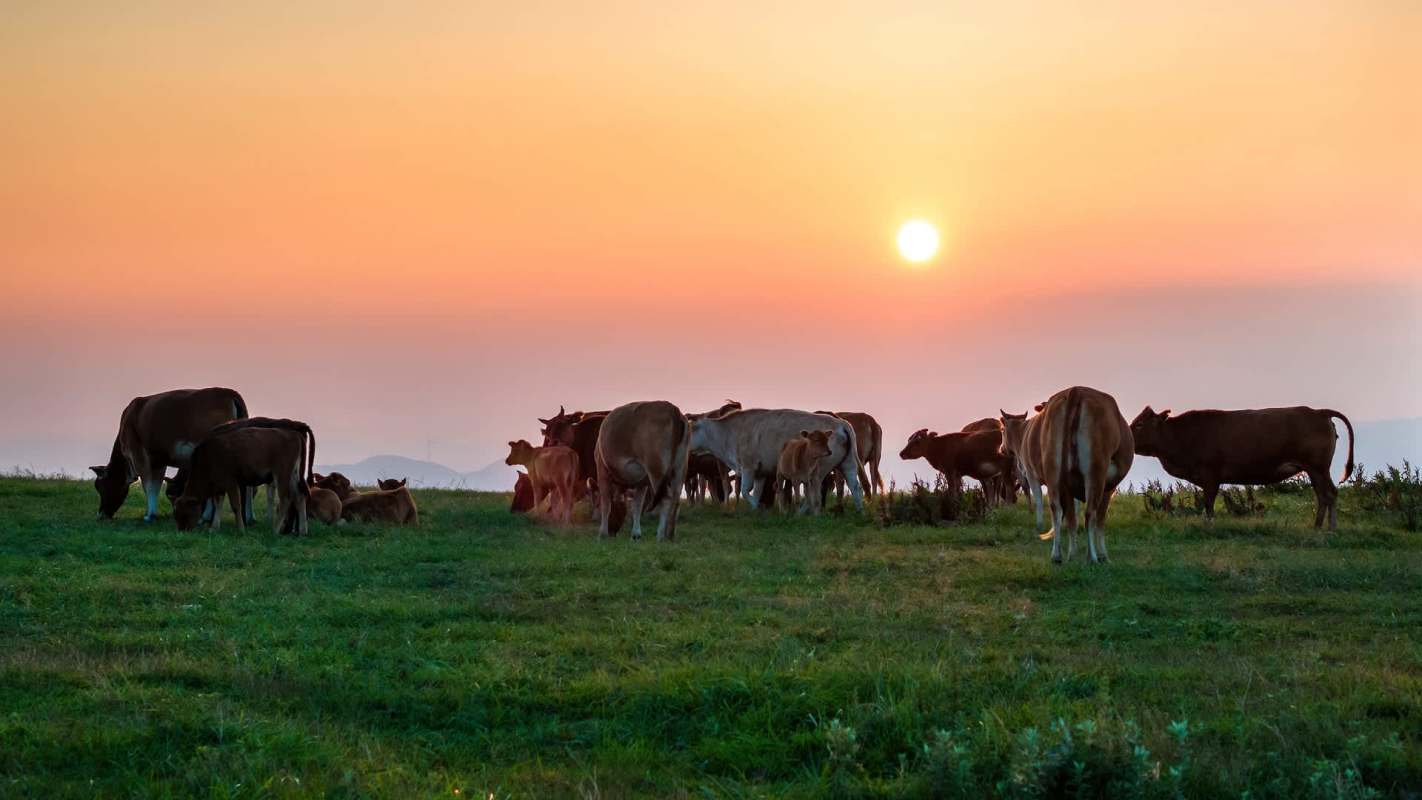
In Wyoming, a federal court is considering whether hundreds of cattle can be turned onto four Gros Ventre Range allotments in grizzly habitat after watchdogs argued the grazing lacks proper permits.
The case could help shape how public lands are managed when ranching, wildlife protection, and outdated environmental reviews collide.
Here's what to know
Ranchers have gathered about 500 to 550 cow-calf pairs near the 30,500-acre Elk Ridge complex, according to WyoFile, while Western Watersheds Project asks the court to keep those cattle out until the larger lawsuit is resolved.
Western Watersheds Project says the Bridger-Teton National Forest signed off on cattle use in the Tosi Creek, Elk Ridge, Lime Creek, and Rock Creek allotments using outdated environmental analysis.
The allotments sit about 30 miles southeast of Jackson, and the area has not been grazed since a 2016 domestic sheep allotment buyout; the most recent completed review of cattle impacts there dates to 1978.
Following a hearing in Cheyenne, Dagny Signorelli, Wyoming state director for Western Watersheds Project, said, "It seemed like the judge was going to make a decision very quickly."
TCD Picks » Quince Spotlight
💡These best-sellers from Quince deliver affordable, sustainable luxury for all




The timing is pressing because annual operating instructions authorize cattle use from August 15 to October 15.
More background
The federal government argues that no new National Environmental Policy Act review is needed.
In a legal filing, Assistant U.S. Attorney C. Levi Martin wrote, "The limited duration, timing, and cattle numbers are well within the sideboards of the 1978 Environmental Assessment (EA) — an assessment which carefully analyzed, and subsequently approved, cattle grazing within the Elk Ridge Complex."
Western Watersheds Project, represented by Greenfire Law attorney Jessica Blome, rejects that interpretation.
"I was pretty surprised at how much the government misrepresented the 1978 environmental assessment," she said.
Blome said the 1978 assessment did not authorize anything like the current plan: it barred cattle from the Tosi Creek allotment because of wilderness concerns and described a four-year rotation in which only one allotment would be grazed in a given year, with the entire complex rested in year four.
Current operating instructions would instead allow 660 cow-calf pairs across all four allotments for two-month periods in 2026 and 2027.
The wildlife stakes are also significant. Grizzly bears are listed as threatened, and the nearby Upper Green allotments have long been a center of grizzly conflicts in the Greater Yellowstone Ecosystem.
What's being done?
The immediate fight is over whether the judge will leave conditions unchanged while the court decides if the Forest Service acted lawfully. If the restraining order is granted, cattle would stay out of the Elk Ridge complex until the larger lawsuit is resolved.
Another legal challenge is also taking shape. A coalition of four environmental groups, led by Yellowstone to Uintas Connection, sent notice of an Endangered Species Act lawsuit, arguing that the government failed to adequately demonstrate consultation with the U.S. Fish and Wildlife Service regarding grizzly bear impacts.
In July, Bridger-Teton National Forest Supervisor Chad Hudson said the disputed move was driven by damage from the 2025 Dollar Lake Fire to neighboring Upper Green allotments. Watchdog groups, however, dispute that rationale, pointing out that grazing is being authorized in the allotment rotation that sustained the most fire damage.
Until the court rules, both ranchers and advocates are waiting.

Get TCD's free newsletters for easy tips, smart advice, and a chance to earn $5,000 toward home upgrades. To see more stories like this one, change your Google preferences here.