


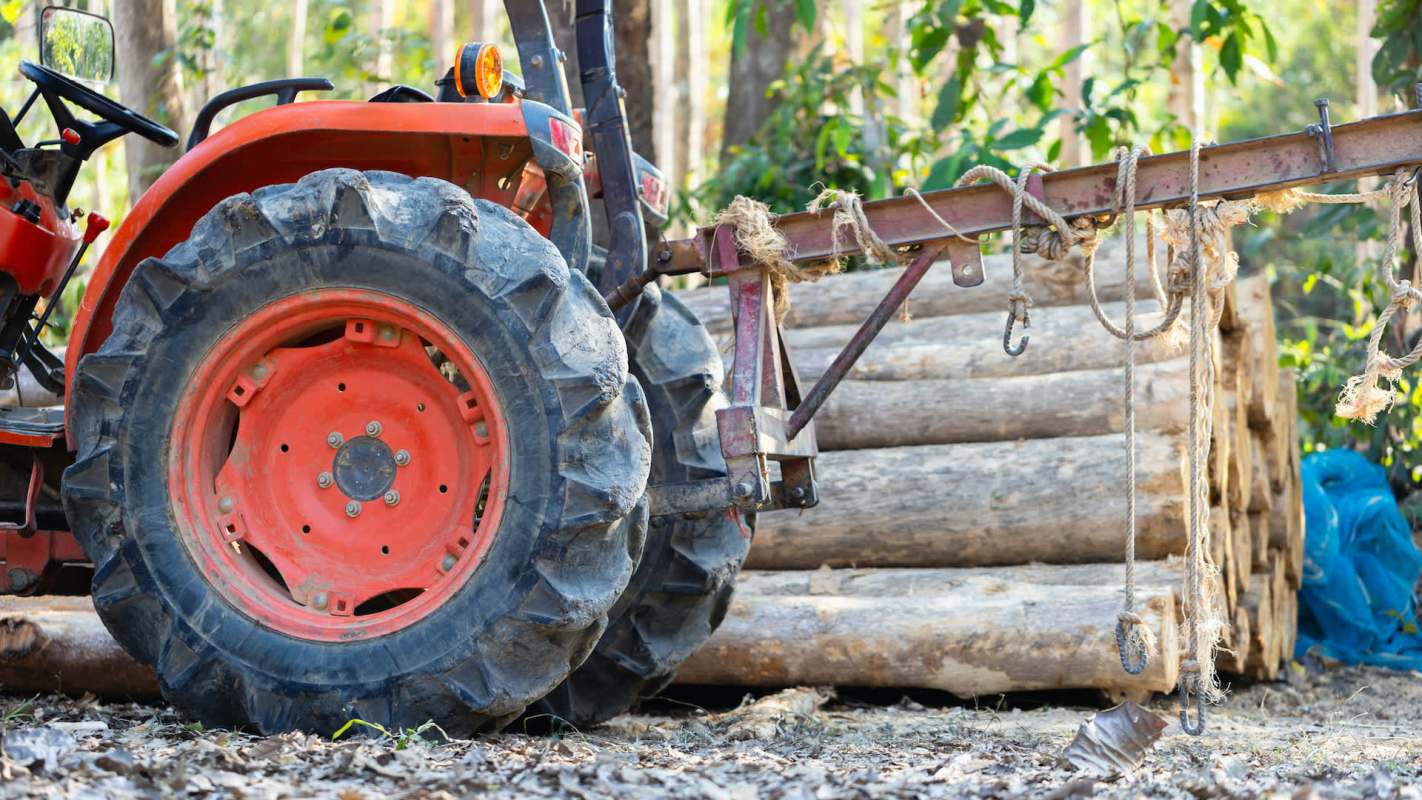
Forestry Corporation of NSW has sparked controversy after removing about 1,000 trees in Glenbog State Forest in southeast New South Wales.
The agency described the removal as road maintenance in a forest regarded as key habitat for the endangered greater glider. But critics say the case shows how wildlife protections can be weakened when work with major impacts is treated as ordinary road upkeep.
Here's what to know
Andrew Wong, an environmental campaigner and executive director of Wilderness Australia, told ABC News that work in Glenbog State Forest in southeast New South Wales generated 21 truckloads of timber and involved the removal of about 1,000 mature trees.
Planning documents showed the roading plan stretched across 56 miles (90 kilometers), and an inspection found at least 1.7 miles (2.7 kilometers) had already been completed.
Wong said the scale of the operation raised alarm.
"This looked like a logging operation, not a road management operation," he said. He also estimated that some of the removed trees were about 100 years old.
TCD Picks » Quince Spotlight
💡These best-sellers from Quince deliver affordable, sustainable luxury for all




Advocates say the implications go well beyond Glenbog: if roadwork rules can be used in place of stricter forestry safeguards, tens of thousands of miles of roadside forest could be put at risk, threatening wildlife habitat, public trust, and forest health.
More background
A central issue in the dispute is the legal framework. Road maintenance in state forests is governed by looser planning laws than commercial logging, a difference that can mean fewer surveys and weaker protections for threatened species.
Logging took place within 164 feet (50 meters) of nine greater glider dens. Under forestry rules, trees used as dens by greater gliders would normally receive a 164-foot (50-meter) buffer, but those exclusions did not apply because the Glenbog work was carried out under road management rules.
Environmental Defenders Office lawyer Justine Emerson said, per ABC News, "I think the New South Wales public would be really concerned if they thought that Forestry Corp were able to carry out logging in state forests that didn't comply with the conditions that were intended to provide some level of protection for wildlife."
What's being done?
The matter is drawing scrutiny from regulators and legal advocates. A spokesperson for the NSW Environment Protection Authority said the agency is aware of community concerns and is "currently assessing information in relation to this matter."
Forestry Corporation said the operation stayed within the previously disturbed road corridor, that some tree removal was necessary so machinery could safely access and maintain roads, and that timber is sometimes recovered rather than mulched.
Industry leaders are also pushing back on the claim that the operation was commercial logging under another name. James Jooste, CEO of the Australian Forestry Products Association, called that suggestion a "supposition from an activist group who will do anything to desperately try and shut down an industry."
How this dispute is resolved could shape the level of protection roadside habitat receives across the state's 31,000 miles (50,000 kilometers) of forest roads.
WWF ecologist Dr. Kita Ashman stressed what is at stake for the greater glider.
"What that does, is it removes really important habitat for that species … They need to be able to walk across canopies, to be able to access food, to be able to access other den trees, because they maintain many different den trees within a home range," she told ABC News.

Get TCD's free newsletters for easy tips, smart advice, and a chance to earn $5,000 toward home upgrades. To see more stories like this one, change your Google preferences here.







