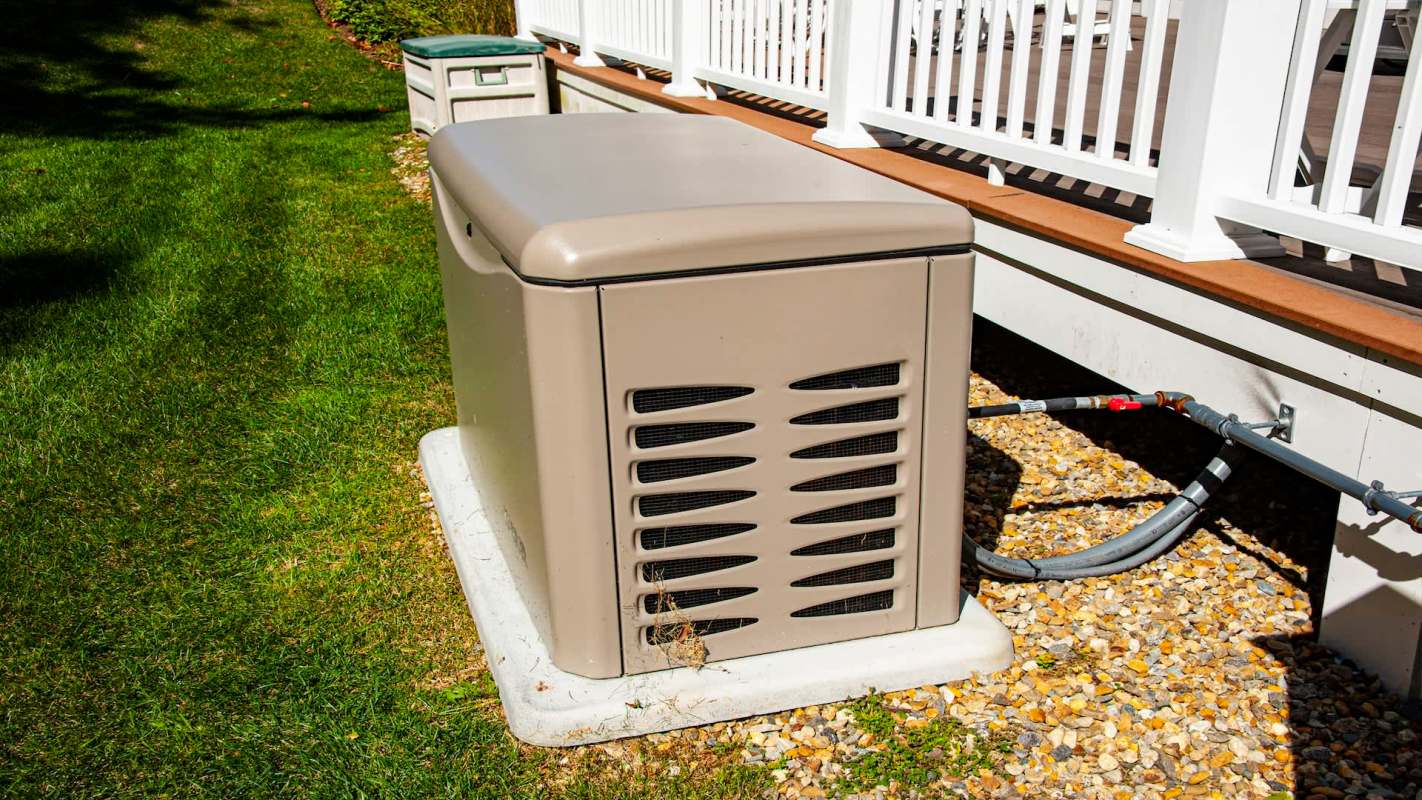
A homeowner who had a standby generator installed turned to the internet with a practical question many buyers likely share: If an installer says an electric vehicle charger or pool heater will be "shed" during periods of high demand, how does the system actually know what to shut off?
Load-control features can affect both what stays on during an outage and whether a homeowner ends up paying for extra generator capacity that may rarely be needed, as discussed in a Reddit thread started by the original poster.
Here's what to know
The OP wrote: "I was told during the quote that they would put load shedding devices on a few things such as my electric vehicle charger, pool heater (and one other thing). But how does the system know to specifically cut those in high loads? The installers never came inside where the breakers for those are. Is that not required?"
Commenters said the details can vary by equipment, but the basic function is the same: When demand gets too high, the generator setup temporarily drops selected large loads. One commenter explained: "Typically, they all turn off at once and wait 5 minutes. Then if programmed correctly they add back in in 15 second intervals."
In Generac setups, another commenter said, those loads can be arranged by priority rather than treated equally. That means big demands such as an EV charger or pool heater can be restored later than more important household circuits — or kept off for the entire time the generator is running.
That flexibility can help a homeowner avoid sizing a generator for every major electrical load at once, potentially reducing costs.
TCD Picks » Quince Spotlight
💡These best-sellers from Quince deliver affordable, sustainable luxury for all




More background
The issue matters more as homes take on additional high-demand equipment, including EV chargers, electric heat, and pool systems. Those upgrades can add convenience and comfort, but they also make backup-power decisions more complex.
One reply also suggested the installer may not have needed to inspect the inside panel in detail if the circuits were already clearly identified. As that person put it, "The panel says what the breakers are for."
That is why many homeowners want more specifics before the job is finished. If load-management devices are part of the quote, people generally expect to understand which appliances are controlled, how the priorities are assigned, and what happens when the generator is under strain.
What can be done?
Before installation is wrapped up, homeowners can ask to see the load-management setup in writing. That plan can identify which circuits will be shed, which ones stay at the top of the list, and whether any large appliances are excluded from backup power entirely.
Choosing not to include an EV charger or pool heater on backup power could also lower the project cost if that makes a smaller generator sufficient.
Commenters also highlighted that tradeoff directly. One noted that some homeowners may end up with "a much bigger generator than required," while another said Generac load-shed modules "can be set with a order of priority up to eight," giving homeowners a say in what gets restored first — and what remains off.

Get TCD's free newsletters for easy tips, smart advice, and a chance to earn $5,000 toward home upgrades. To see more stories like this one, change your Google preferences here.