


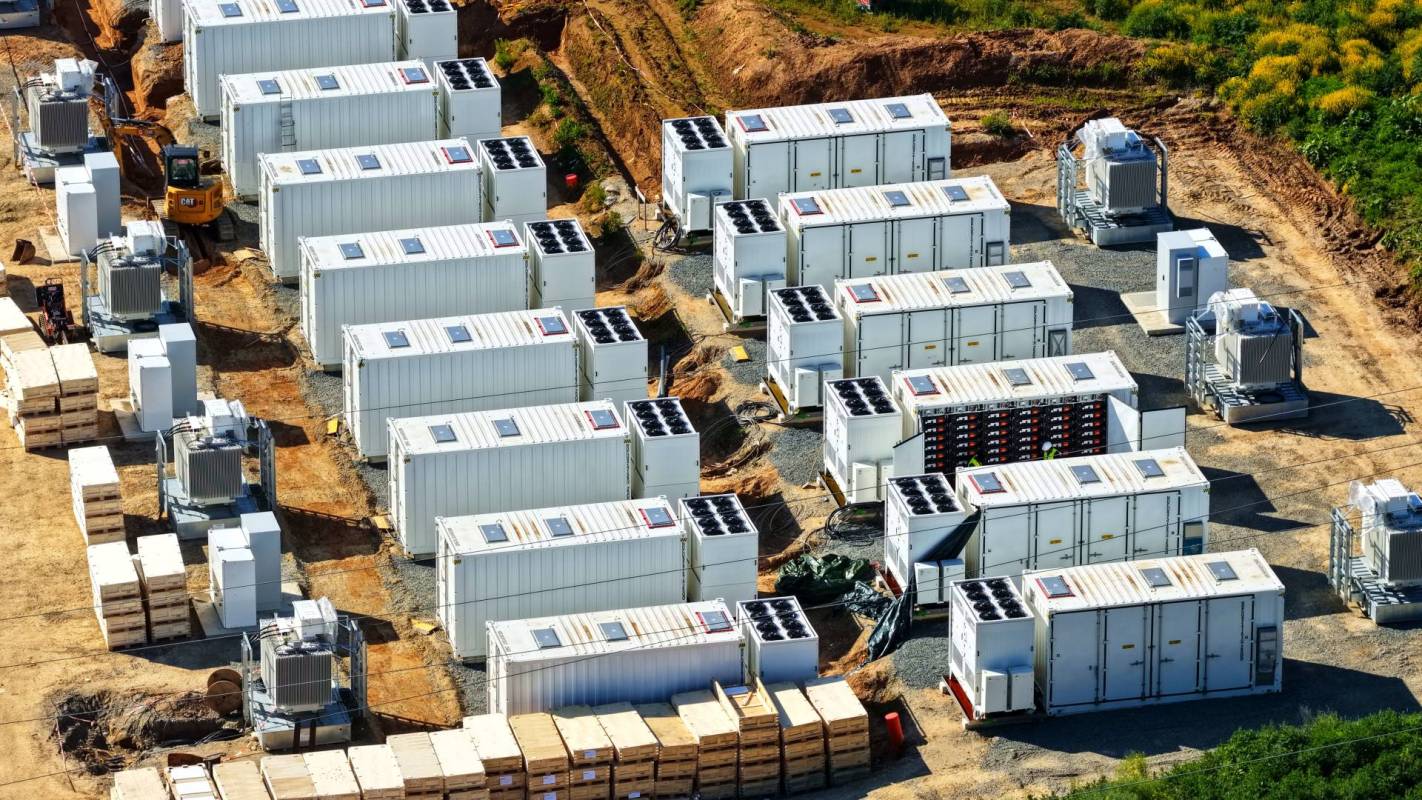
Foton Pty Ltd says it has completed a sale that may amount to Australia's first commercial sodium-ion battery deal, signaling a possible early landmark for the local storage market.
If that claim holds up, Renew Economy noted it would mark a notable step for a technology many in the industry see as a promising complement to dominant lithium-ion batteries.
Here's what to know
Foton Pty Ltd, the exclusive Australian distributor for China-based battery maker Cospowers, announced on LinkedIn it has sold a 100-kilowatt/200-kilowatt-hour commercial-and-industrial battery energy storage system built with sodium-ion chemistry.
In a follow-up post on the platform, Foton Pty Ltd managing director Krishna Thota said the company's review of public announcements and projects led it to conclude the deal may be "Australia's first commercially sold 100kW / 200kWh sodium-ion C&I BESS."
Cheaper and more readily available materials are a big part of sodium-ion's appeal as an alternative to lithium-ion, as Renew Economy detailed. The batteries are also generally viewed as safer and more stable, work well in both very hot and very cold conditions, and can recharge more quickly.
Those are features that could help businesses that need energy fast during outages or peak-demand periods, per the outlet.
TCD Picks » Quince Spotlight
💡These best-sellers from Quince deliver affordable, sustainable luxury for all




Lithium-ion, however, still leads in key areas. It has a much longer commercial history, and its higher energy density means more usable energy can fit into a similarly sized battery, which helps explain its continued dominance in homes, vehicles, and much of the wider storage market.
More background
Interest in sodium-ion is growing globally, Renew Economy noted. Major battery manufacturers tied to the electric vehicle sector, including CATL and BYD, are investing heavily in the chemistry as they seek options beyond lithium.
Cospowers is part of that broader push. The outlet reported that, after working with Chinese universities on sodium-ion research and development, the company began construction in March 2024 on a 1.5-gigawatt-hour sodium-ion battery production line at its Changde Factory.
In Australia, residential adoption has yet to follow. Sodium-ion deployment remains centered on commercial and industrial applications, partly because the Clean Energy Council only registers lithium-ion batteries for use in Australian homes, per Renew Economy.
What's being done?
The focus is on moving sodium-ion out of research settings and into operating projects. Foton says on its website that Cospowers provides performance data for sodium-ion batteries in Australian conditions, where high heat can reduce battery lifespan and heighten safety concerns.
Foton has also pointed to long-term cost considerations, Renew Economy said. On Foton's website, the company wrote that "upfront pricing is similar between lithium and sodium-ion systems."
It added that the separation begins later, when sodium-ion batteries deliver more usable energy over their full lifetime. Now, that thinking will be put to the test.
"This isn't a prototype sitting in a laboratory," Thota explained in his post. "It's a commercial system. And it has a customer."

Get TCD's free newsletters for easy tips, smart advice, and a chance to earn $5,000 toward home upgrades. To see more stories like this one, change your Google preferences here.






