


An older terrace with little insulation would usually be dismissed as a poor candidate site for replacing gas heating with a heat pump. A project in the United Kingdom suggests that assumption might be wrong.
Here's what to know
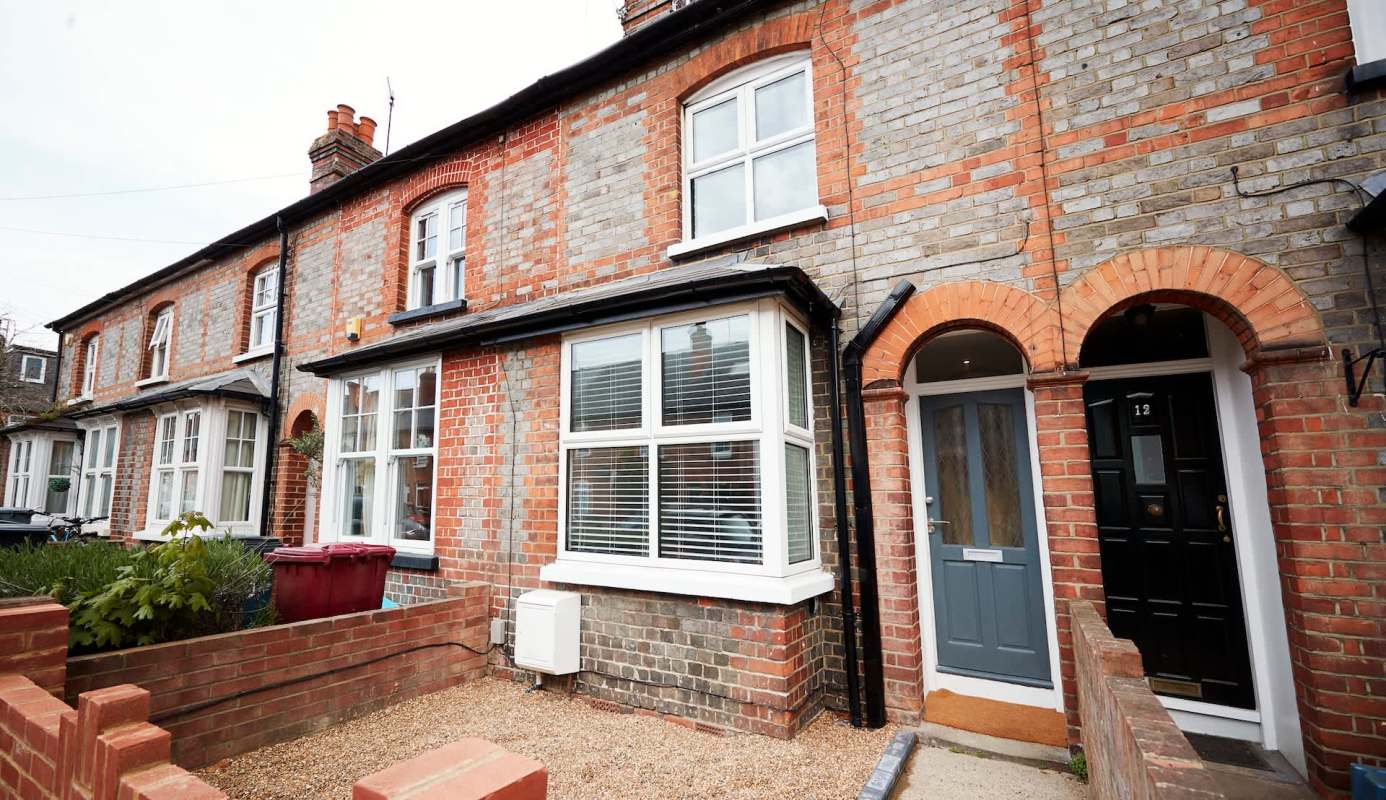
According to a Heat Geek (@HeatGeek) video, a 7-kilowatt heat pump has been keeping an 1897 mid-terrace on the Isle of Portland warm through winter, even with solid stone walls and minimal insulation.
During the first survey, Gareth of Hurford's Heating said the property looked difficult enough that he nearly decided not to take the job. He only became confident the setup could work after researching the thermal behavior of the Portland stone and completing heat loss calculations. The three-bedroom house has solid Portland stone walls, no insulation in the floors, very little insulation in the loft conversion, and hardly any in the extension.
Heat Geek said, "This house is exactly the sort of property people are often told isn't suitable for a heat pump."
One YouTube user said, "Living in a terraced house myself gives me hope after watching this."
More background
The building itself presented several practical challenges. It is an older house with limited space, awkward pipework routes, and walls made from a type of stone so uncommon that Gareth said he could not find a ready-made U-value reference for it.
TCD Picks » Quince Spotlight
💡These best-sellers from Quince deliver affordable, sustainable luxury for all




The homeowners said their previous gas boiler did not heat the house evenly. Some rooms became very warm while others were much less consistent, with noticeable temperature differences from one room to the next; after the change, they said the warmth felt more even and gentler.
They also highlighted the billing benefit. With no gas left in the property, the homeowner said, there is no separate gas bill and no extra standing charge on top of the electricity bill.
What can be done?
For people trying to judge whether an older home of their own could use a heat pump, this example indicates that the age of the building is a less important factor than it is commonly believed to be.
Gareth said success depended on accurate heat-loss figures and correct pipework calculations, adding that this part of the process is "probably 80% of the job."
Detailed questions he recommended asking before signing anything include: How was heat loss calculated? Has the installer worked on older homes? What changes to pipework, hot-water storage, or floor access might be needed?
Cost was also a major theme in the response from viewers.
One user said, "Just like the homeowner in this video, I have to admit I didn't have a heat pump installed last year for any green reasons; my decision was purely financial and our first 14 months have proven that for us, heat pumps do work and for us has been much cheaper to run than our old gas boiler."
The homeowner in the video also said grant support is available, which could make the move more achievable for people already thinking about replacing older gas equipment.

Get TCD's free newsletters for easy tips, smart advice, and a chance to earn $5,000 toward home upgrades. To see more stories like this one, change your Google preferences here.






