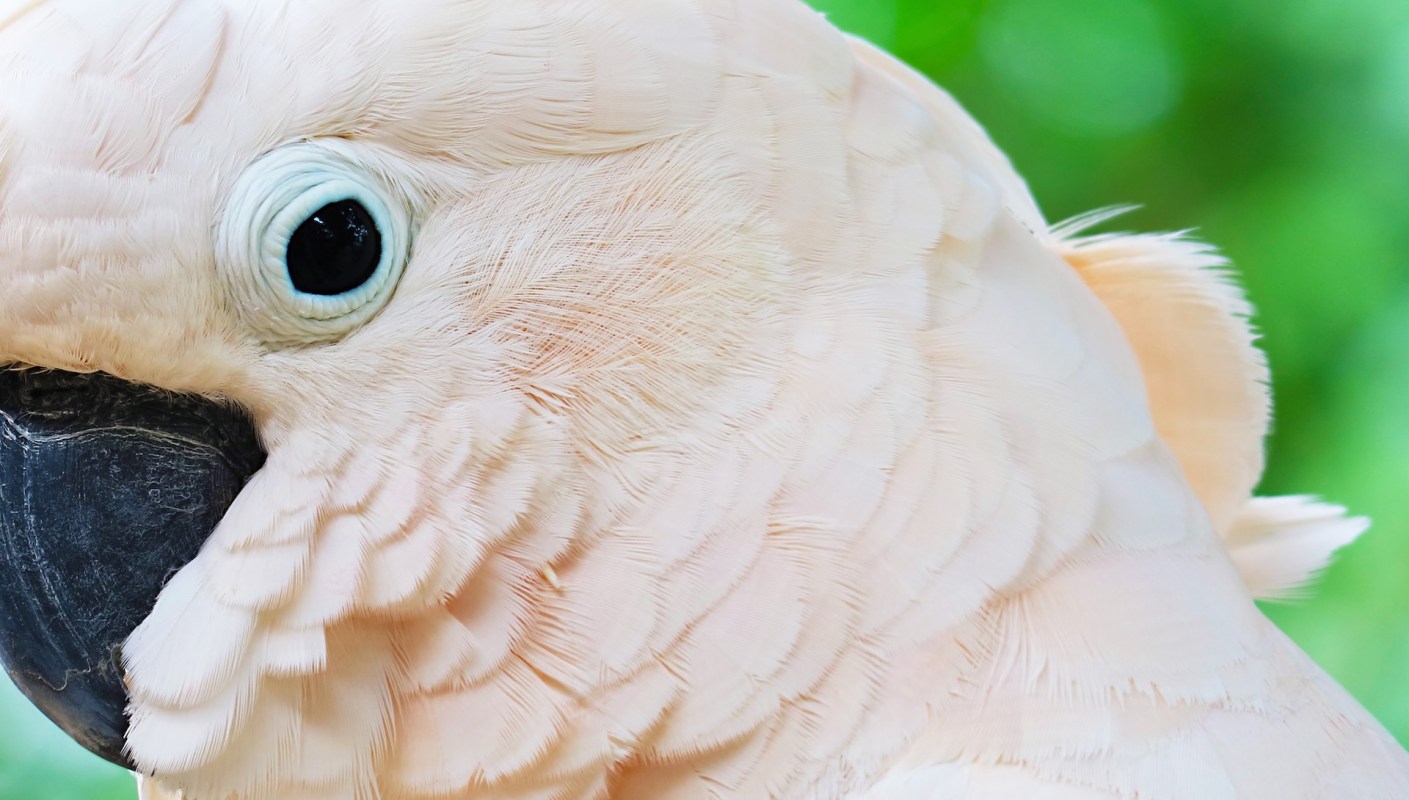
An Indigenous community on Indonesia's Seram Island has adapted a centuries-old coming-of-age ritual to help protect the endangered salmon-crested cockatoo, showing how cultural tradition and conservation can work together.
Here's what to know
A study published in July in the Journal of Ethnobiology described how the Huaulu Indigenous community has modified its sacred Cidaku ceremony to support the endangered salmon-crested cockatoo, a bird found only on Seram. The ritual marks a young man's passage into adulthood and has traditionally used the bird's distinctive crest feathers, Mongabay reported.
In the ritual's puheliam headdress, white feathers represent sacred life, peace, and community, while peach-colored ones signify strength and courage. Those meanings reflect a broader Huaulu belief that Seram's forests are a living spiritual realm rather than merely a source of materials, and that view shapes the community's stewardship.
"The use of cockatoo feathers is specifically embedded within this cultural system and is very different from hunting birds for commercial purposes," Dwi Agustina, the study's lead author, told Mongabay.
Agustina is a researcher at Indonesia's Gadjah Mada University and program coordinator at Indonesia's Cockatoo Conservation Association.
After decades of poaching and habitat loss pushed the salmon-crested cockatoo into danger, Indonesia banned capturing or killing the species, including for ceremonial use.
TCD Picks » Quince Spotlight
💡These best-sellers from Quince deliver affordable, sustainable luxury for all




More background
The ceremony has changed substantially over time. Cidaku was once connected to head-taking, but colonial authorities and Christian missionaries curtailed that practice in the early 20th century, after which the Huaulu refashioned the rite around hunting wild animals instead.
Instead of abandoning the ceremony, the community collaborated with conservationists and government officials to keep its meaning intact while reducing pressure on the bird population. The study suggests that conservation rooted in local leadership and belief systems may endure more effectively than rules imposed only from the outside.
The bird's situation remains serious. As Mongabay reported, co-author George Olah of Australian National University pointed to a 2021 study in Manusela National Park — a protected area that overlaps Huaulu forest territory — that found numbers had fallen by more than half in some parts of the park.
The study also found salmon-crested cockatoo feathers being offered for sale on eBay in 2024. Huaulu community members said outside commercial trade, rather than their own ceremonial feather use, is a key driver of the species' decline.
What's being done?
On their own land, the Huaulu are shaping a model of protection that reflects both cultural continuity and species survival. By adapting the Cidaku ritual with authorities and conservation groups, they are sustaining an important tradition while also helping the cockatoo that shares their forest home.
"The traditional hunting by the Huaulu community had a comparatively lower but not neglecting impact I would say," Olah told Mongabay.

Get TCD's free newsletters for easy tips, smart advice, and a chance to earn $5,000 toward home upgrades. To see more stories like this one, change your Google preferences here.