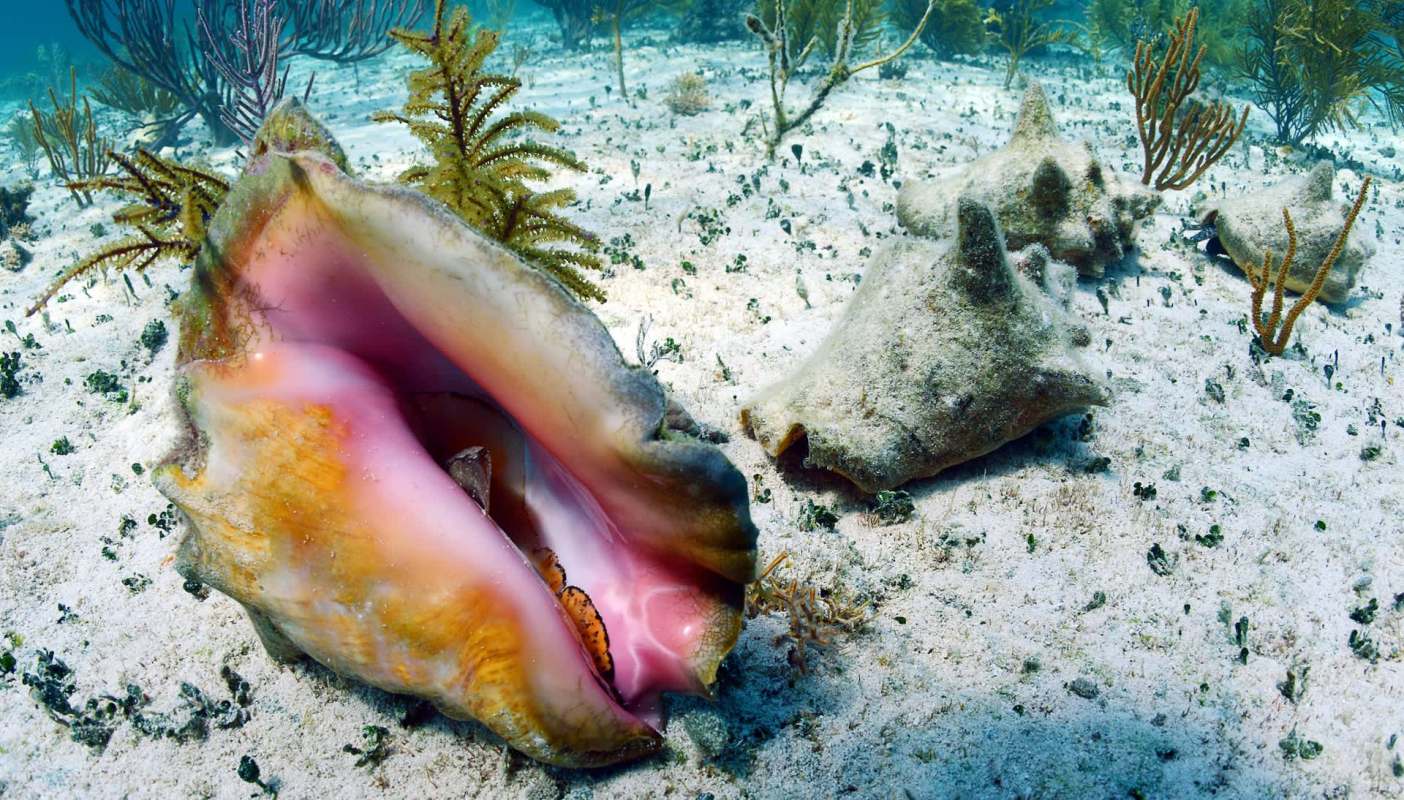
Losing the queen conch would mean more than saying goodbye to one of the Caribbean's most recognizable sea creatures. It would also put more strain on coastal communities that have long relied on the species for food, income, and cultural traditions.
On Eleuthera in the Bahamas, a solar-powered mobile hatchery is now working to help prevent that decline by giving baby conch a better chance of survival.
Here's what to know
According to Mongabay, the Queen Conch Lab's eighth mobile hatchery, located on Eleuthera in the Bahamas, reached its first hatch in June and is expected to release up to 2,000 juvenile conch each year.
Once widespread in shallow coastal waters, queen conch, or Aliger gigas, have been heavily depleted across the Caribbean Sea and Gulf of Mexico. Decades of harvesting for meat and shells have caused steep declines, and some local populations have already collapsed.
Fishing pressure is only part of the problem; habitat degradation, pollution, and warmer waters are also taking a toll. Trade in the species has been regulated since its 1992 placement on CITES Appendix II, several Caribbean countries have adopted seasonal limits and bans to reduce overfishing and juvenile catch, and the United States listed queen conch as threatened under the Endangered Species Act in 2024.
Those measures have not solved the survival problem. Mongabay cited a 2022 study published in Fisheries Science & Aquaculture that estimated only one out of every 4,000 to 10,000 juvenile conch typically survives to adulthood.
TCD Picks » Quince Spotlight
💡These best-sellers from Quince deliver affordable, sustainable luxury for all




More background
The most precarious period comes early in life. During spawning season, a female queen conch produces an egg mass containing hundreds of thousands of eggs, and after fertilization, the larvae spend about 21 days developing in the ocean before settling onto the seafloor as juveniles.
Even with that enormous reproductive output, most do not make it. The 2022 study found that predation is the biggest cause of juvenile deaths, followed by underage harvesting and damage to shallow nursery habitat from environmental and climate-related stress.
That is the gap the mobile labs are meant to address, protecting conch during their most delicate stages so more survive long enough to reproduce.
Community participation is also central to the project. The hatcheries function as nurseries, but they are also meant to be learning spaces where fishers, students, and visitors can see how the species develops and why stronger management matters for the future of local waters.
What's being done?
The program is being run by Florida Atlantic University's Queen Conch Lab in partnership with conservation groups across the Caribbean. Megan Davis, who directs the lab and is a research professor at FAU's Harbor Branch Oceanographic Institute, has said the mobile format is designed to connect scientific work with local stewardship, per Mongabay.
Because they are solar-powered and portable, the hatcheries can operate in places that may not have the space or resources for a permanent aquaculture facility. That lowers the barrier for islands and coastal communities that want to participate in restoration.
The model may also help keep fishers invested in the species' recovery. If more juveniles survive and populations stabilize, it could support healthier ecosystems while helping protect a resource long woven into local economies and diets.
A hatchery is not a standalone answer to overharvesting or ocean warming, but it can improve juvenile survival while communities work to rebuild depleted populations.
As Davis told Mongabay by email, "By bridging aquaculture, fishery, conservation and restoration all in one place [at the mobile hatchery], the local community gains an understanding of all the aspects needed for good management of the conch species."

Get TCD's free newsletters for easy tips, smart advice, and a chance to earn $5,000 toward home upgrades. To see more stories like this one, change your Google preferences here.