


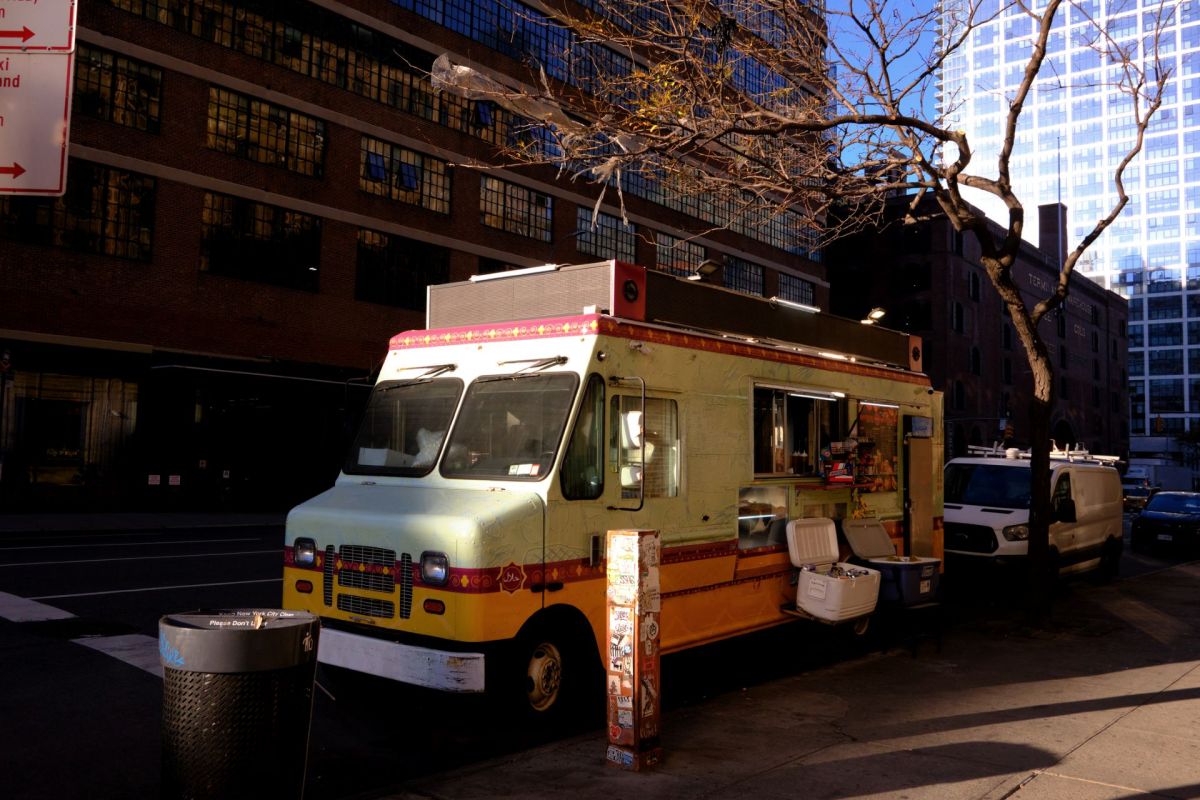
A poster in Reddit's r/AskEngineers asked whether a food trailer operating in sunny Cyprus should use solar-powered exterior lighting for its concession area and signage, prompting a discussion about battery storage, panel sizing, and upfront cost.
Here's what to know
In the post, the Redditor said they were looking at waterproof outdoor solar lights for the concession area.
"Alternatively, something where I put a panel on the (flat) roof and then let hook up some lamps -- although that would mean more points of failure," they wrote.
"However, if this is so obvious, why isn't everyone doing it? Is there a downside I'm unaware of?"
The response was not that solar is a bad idea — it was that many people underestimate what a reliable setup actually requires.
One commenter put it plainly: "You don't want motion sensors. You need a solar panel, a charge controller and a battery. People don't do it because of cost." Commercial use usually calls for longer runtimes and more consistent output than a backyard wall light or garden path fixture.
TCD Picks » Quince Spotlight
💡These best-sellers from Quince deliver affordable, sustainable luxury for all




Another commenter expanded on that point, writing, "Cost is the big one, and also people underestimate how much panel you need for consistent use."
More background
While a food trailer does not need a residential-scale system, it still needs enough stored electricity to keep lights running throughout service.
This becomes especially important for businesses operating after sunset, when lighting demand is highest and solar generation has already stopped.
If a battery is too small, there is a risk that the lights may dim before closing. And if a panel is undersized, the system may not have time to fully recharge before the next shift. Sunny conditions in Cyprus help, though shorter winter days can still make the setup harder to balance.
Solar can reduce fuel use, lower dependence on the grid, and potentially save money over time, but it is not always the cheapest option upfront.
What can be done?
Since not all lighting needs require the same brightness or runtime, separating them into categories — signage, customer-facing concession lighting, and safety lighting — can help with planning.
The useful benchmark is the hardest operating day, not the easiest one: the latest evening service, duller weather, and seasonal daylight shifts matter more than a midsummer best case.
Rather than treating the lamp as the whole purchase, plan around the full setup — panel, battery, controller, and fixtures. A cheap all-in-one light may look economical at first, but if it cannot deliver the needed output, replacing it later can cost more than installing a properly sized system from the beginning.
"For just signage and concession lighting it can work, but you need to size the battery for your longest evening run, not average," one commenter wrote. "In Cyprus sun is strong so that helps, but winter months with shorter days can catch you off guard if you only planned for summer."

Get TCD's free newsletters for easy tips, smart advice, and a chance to earn $5,000 toward home upgrades. To see more stories like this one, change your Google preferences here.







