


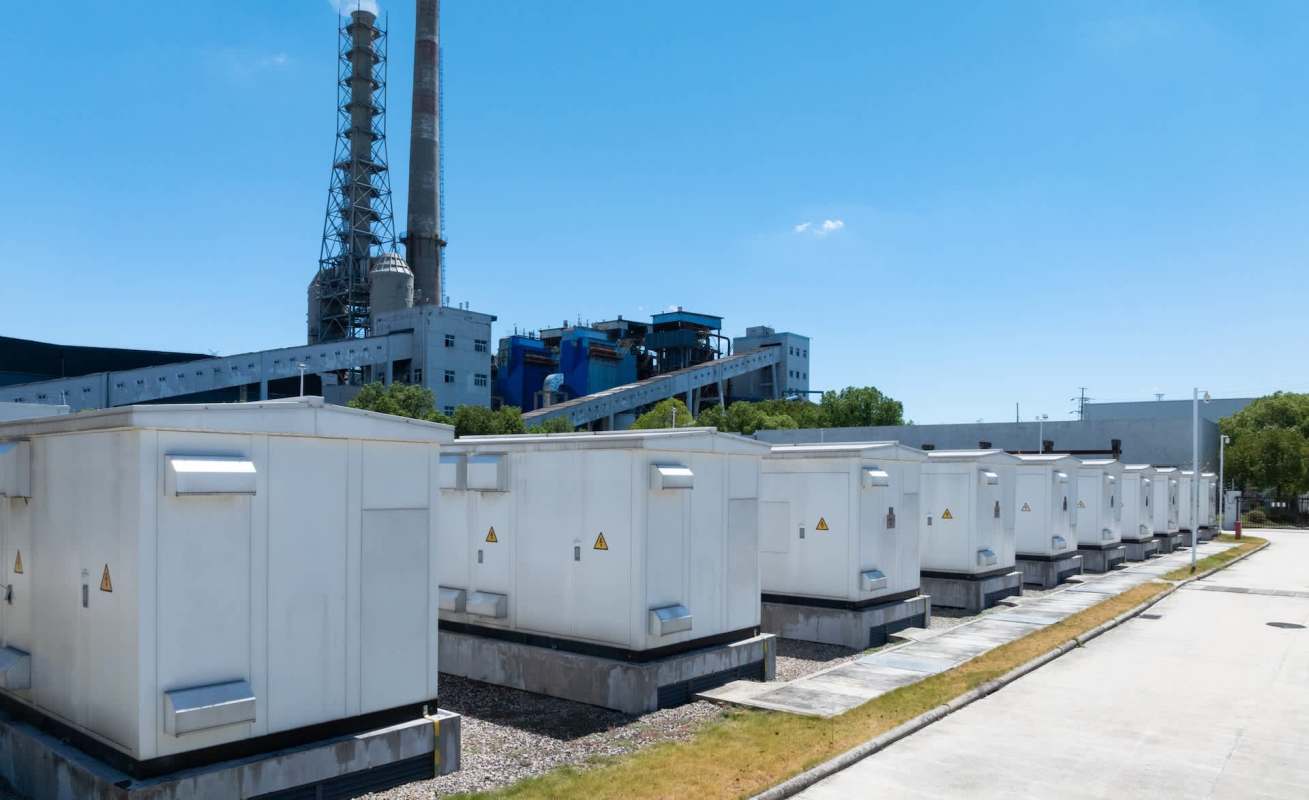
Appalachian Power is testing the market for a large new block of energy storage in Virginia, seeking as much as 800 megawatts that could support rising clean energy demand and strengthen grid reliability, WDBJ reported.
Here's what to know
According to WDBJ, the utility has launched two separate solicitations for energy storage resources, and developers have until Sept. 30 to submit bids.
One of those requests for proposals is for up to 500 megawatts of energy storage through purchase and sale agreements covering build-transfer and development-stage projects. The facilities can be new or already operating, but they must be in service by mid-December 2030.
WDBJ reported that eligible projects have to be in Virginia, connected to Appalachian Power's Virginia distribution system, or both, and any project interconnecting with PJM Interconnection or the utility's distribution network must be at least 5 megawatts.
The other solicitation covers as much as 300 megawatts under long-term capacity purchase agreements. Those projects can be located anywhere in the PJM region and/or interconnected with Appalachian Power's distribution system, as long as they meet the 5-megawatt minimum and are operating by the end of December in 2030.
The effort is tied to state law: WDBJ reported that under the Virginia Clean Economy Act, Appalachian Power must seek State Corporation Commission approval to acquire 780 megawatts of short-duration energy storage by 2040.
TCD Picks » Quince Spotlight
💡These best-sellers from Quince deliver affordable, sustainable luxury for all




More background
Energy storage is becoming one of the most important tools in the transition to a cleaner economy. Batteries can store electricity when supply is abundant (like when the sun is shining and the wind is blowing) and discharge it when demand rises, helping utilities balance the grid as more wind and solar power come online.
Procurement decisions made now can show up in electric bills later. If Appalachian Power secures storage capacity at a lower cost and with strong performance, that could help ease future price pressure compared with more expensive or less flexible grid investments.
The regional market also matters because PJM oversees the electric grid across 13 states, including Virginia. In an area facing growing electricity demand, storage is increasingly viewed as a way to take pressure off the system during peak periods, WDBJ reported.
Clean energy, grid technology, and storage businesses have become major investment targets as utilities modernize infrastructure. Projects like these can translate into construction activity, long-term operations jobs, and a stronger local tax base.
What's being done?
Appalachian Power is giving developers two different paths to participate, which could widen the field and increase competition. One path focuses on acquiring projects directly, while the other centers on buying capacity through long-term agreements.
The structure gives the utility flexibility to compare options on price, location, and readiness.
Even if Appalachian Power chooses winning bids, though, the projects will still need signoff from the appropriate regulators. That gives state authorities another chance to review whether the agreements are reasonable and serve the public interest before related costs become part of the utility's long-term planning.
If the process delivers lower-cost, well-sited storage, Virginia customers could benefit from a cleaner, more flexible grid without taking on unnecessary expense. In a power market increasingly shaped by clean energy growth, those decisions could have lasting effects on reliability, jobs, and household budgets.

Get TCD's free newsletters for easy tips, smart advice, and a chance to earn $5,000 toward home upgrades. To see more stories like this one, change your Google preferences here.






