


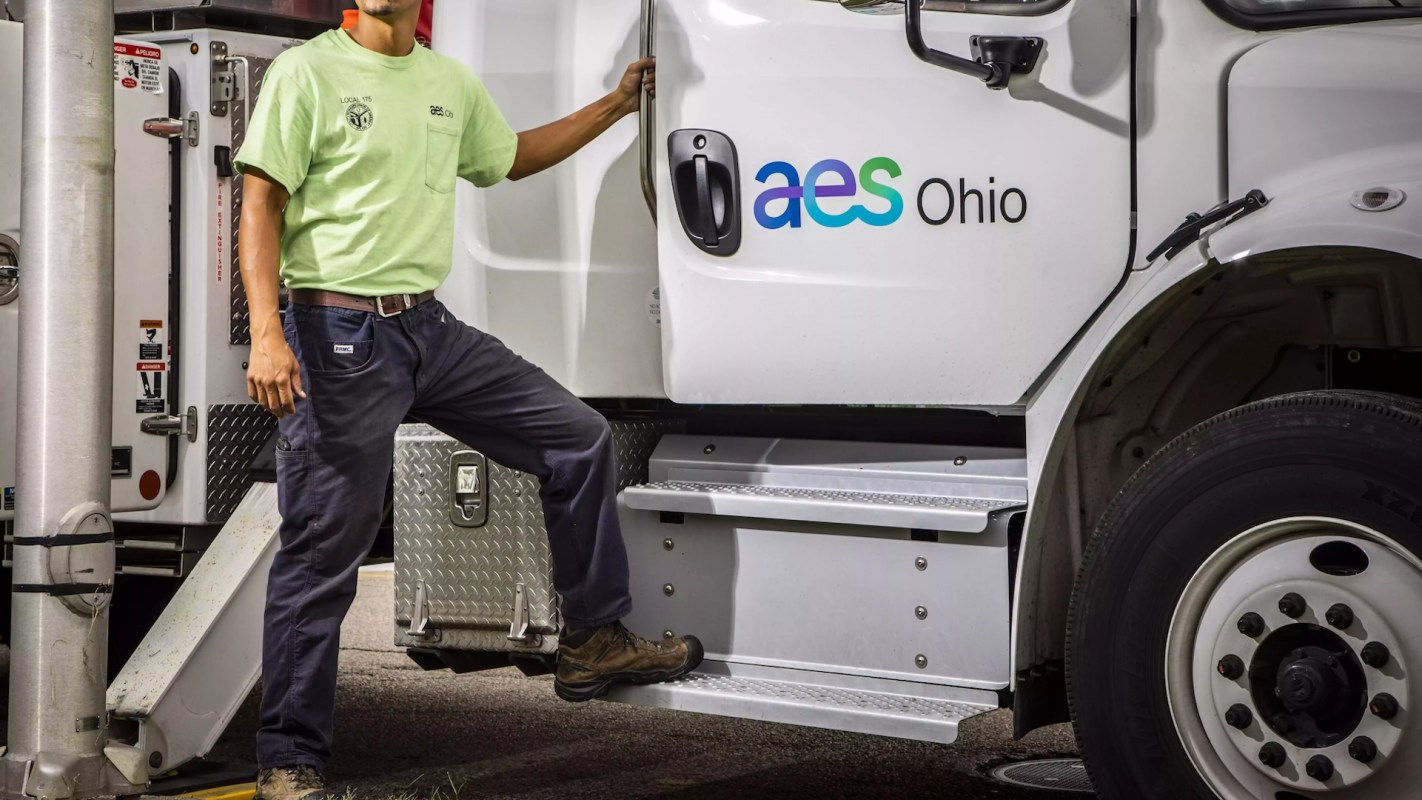
Ohio residents served by AES could soon see their utility taken private in a $10.7 billion sale, and one Ohio lawmaker says a deal of that size should not move forward without giving local customers a chance to weigh in first.
State Representative Tristan Rader is urging regulators to hold hearings in AES Ohio's service territory before approving the purchase, arguing that everyday ratepayers deserve more than behind-the-scenes assurances, according to Ohio Capital Journal.
Here's what to know
The Lakewood Democrat asked the Public Utility Commission of Ohio to bring the case into AES Ohio communities so residents, local governments and other interested parties can speak before regulators decide whether Dayton's electric utility should change hands.
In a letter to PUCO Chair Jenifer French, he wrote, "This is a consequential decision for the future of Ohio's electric system."
The prospective ownership group includes Qatar's sovereign wealth fund, California's public employee pension program, Sweden's EQT and Global Infrastructure Partners, which is part of BlackRock.
The offer totals $10.7 billion in cash.
TCD Picks » Quince Spotlight
💡These best-sellers from Quince deliver affordable, sustainable luxury for all




The consortium has said the deal would give AES "improved access to capital to invest in critical energy infrastructure assets" and that it is "not expected to impact customer rates in AES' regulated utilities."
In its review, PUCO staff said the buyers are a "suitable owner for AES Ohio" and concluded the shift in ownership would likely have "little to no foreseeable drawbacks."
The public comment period closed August 13, and regulators were still awaiting a final decision.
For critics, the limited public vetting is itself part of the concern.
More background
A sale like this can bring different priorities, particularly when control would move to private investors without direct roots in the communities whose residents pay the bills.
Rader said one major issue is how much harder it could become to see what is happening once AES is no longer publicly traded.
"It's a big change," he said. "Going from a publicly traded company to completely privately held. [It] closes some doors and makes it a little more opaque."
He also pointed to BlackRock's large investments in artificial intelligence and data centers as a possible source of conflicts.
Because AES has singled out data centers as a key area for growth in its territory, Rader and others are questioning whether those big customers could end up getting favorable treatment while households absorb the costs.
What's being done?
Before regulators sign off, Rader wants hearings held locally in the area AES serves.
He argued, "Rates increasing, data-center demand accelerating, and billions of dollars in new grid investment likely ahead, Ohioans deserve the opportunity to ask questions and be heard before control of their electric utility changes hands."
Others are urging regulators to go further.
Dayton, in a filing with PUCO, said broad assurances are not enough and that the incoming owners should be required to make binding commitments.
The city wants any approval to require the buyers to keep AES' headquarters, senior leadership and no less than 90% of its baseline workforce in the area for the next 20 years.
Kim McCarthy, a local resident and state House candidate, also raised alarms about private equity ownership, saying she lost her own job after a private equity takeover in another industry.
She said hearing about the AES deal made her think, "Oh wow, they're just going to hollow out our electrical system."
As McCarthy put it, "Qatar? BlackRock? And no offense to the California pension fund, but what do they care? They want to make money. That's all they want to do. They have no ties to this area, they're not going to care about the lives that are impacted here."

Get TCD's free newsletters for easy tips, smart advice, and a chance to earn $5,000 toward home upgrades. To see more stories like this one, change your Google preferences here.







