


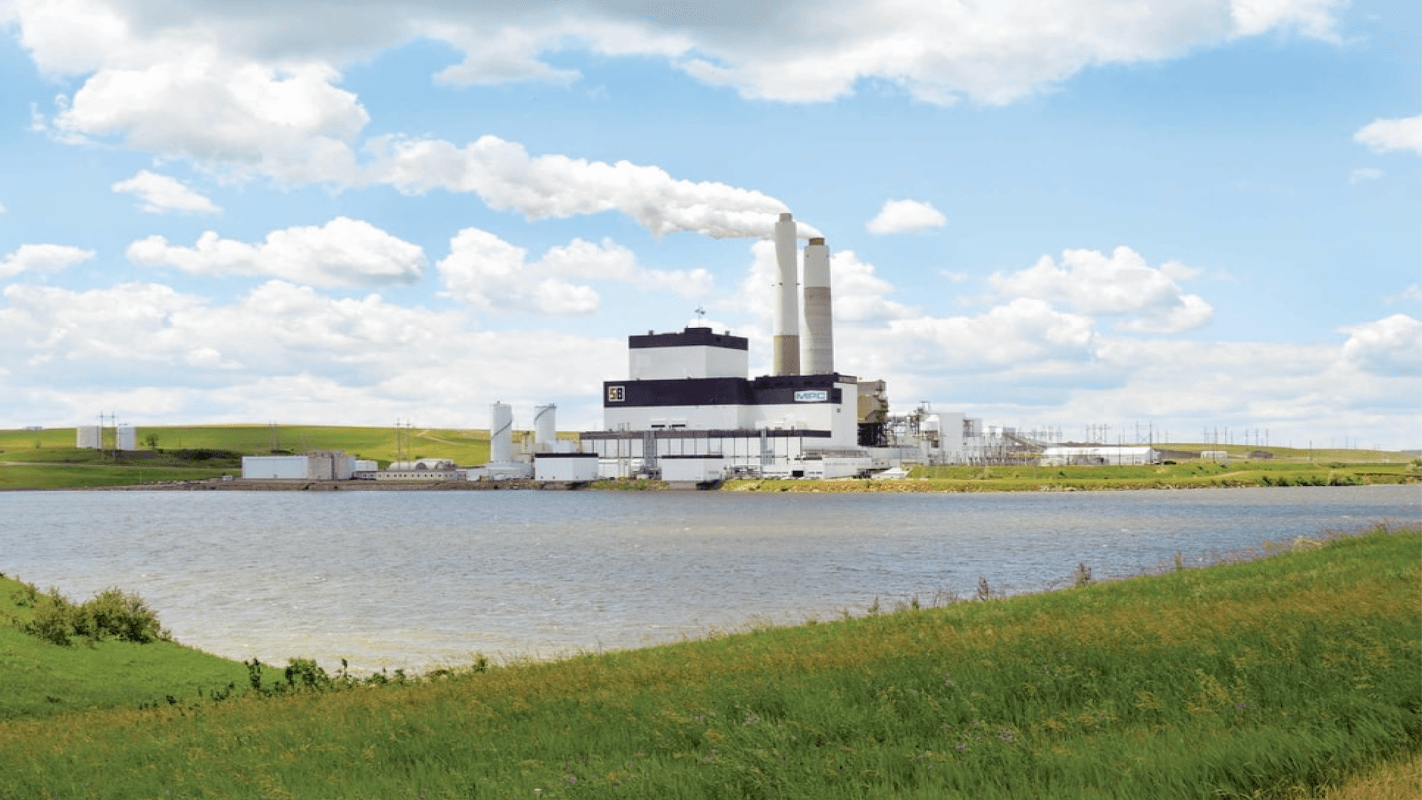
A state-backed financing plan is moving ahead for Project Tundra, an effort to restart carbon capture at a North Dakota coal plant.
Here's what to know
Project Tundra has been in development for years at Minnkota's coal-fired Milton R. Young Station near Center.
According to the North Dakota Monitor, the Clean Sustainable Energy Authority supported $205 million in loans for the project: $45 million for Minnkota Power Cooperative and $160 million for Reliant Carbon Capture & Storage, which would build and own the capture facility.
Final approval would still have to come from the state Industrial Commission. If the plan advances, Reliant would run the carbon-capture system and the carbon dioxide delivery network.
In presentations to the authority, company officials said adding Reliant would lower Minnkota's financial exposure while bringing in technical know-how and equipment already used in the energy business.
They said the revised partnership could cut the construction period from about five years to roughly two, which could also reduce building costs.
TCD Picks » Quince Spotlight
💡These best-sellers from Quince deliver affordable, sustainable luxury for all




If the project is completed, it is intended to store about 5 million tons of carbon each year. Minnkota has said it expects to make a final investment decision in 2027.
Officials said the project could keep utility bills from rising, create about 350 jobs, and reduce the plant's emissions by 95%.
At $85 per ton, federal tax credits could be worth about $425 million annually, and both underground storage and oil-field use of the captured CO2 would qualify.
More background
By adding carbon capture, Minnkota is trying to keep the coal plant operating while also creating a new revenue stream tied to CO2.
One possible destination for that CO2 is the Bakken oil fields, where producers are exploring enhanced oil recovery, a process that injects CO2 underground to help produce more oil.
If oil-sector demand does not emerge, Minnkota already has a permit to store CO2 underground near the power plant.
To improve the project's financial outlook, Minnkota is proposing that Reliant own the capture system and receive the federal tax credits. The cooperative expects to make its final investment decision on Project Tundra in 2027.
That arrangement would pay Minnkota for the CO2 it supplies, along with services such as access to underground storage. The co-op says the structure is meant to lower costs for it and its members while making the deal more appealing to a private-sector partner.
State-backed financing is also central to the effort. The recommended loan package signals that North Dakota officials see the project as a way to preserve jobs and energy production while also tapping into federal climate incentives.
The proposal also reflects tension in the energy transition. Even as cleaner energy investments are often viewed as stronger bets, some states and companies still look for ways to extend the life of fossil fuel facilities while cutting emissions.
Senator Dale Patten, co-chair of the authority, said, "We continue to hear that CO2 is going to be our future solution to enhance oil recovery, and this is one of the first steps to sourcing that CO2."

Get TCD's free newsletters for easy tips, smart advice, and a chance to earn $5,000 toward home upgrades. To see more stories like this one, change your Google preferences here.






