


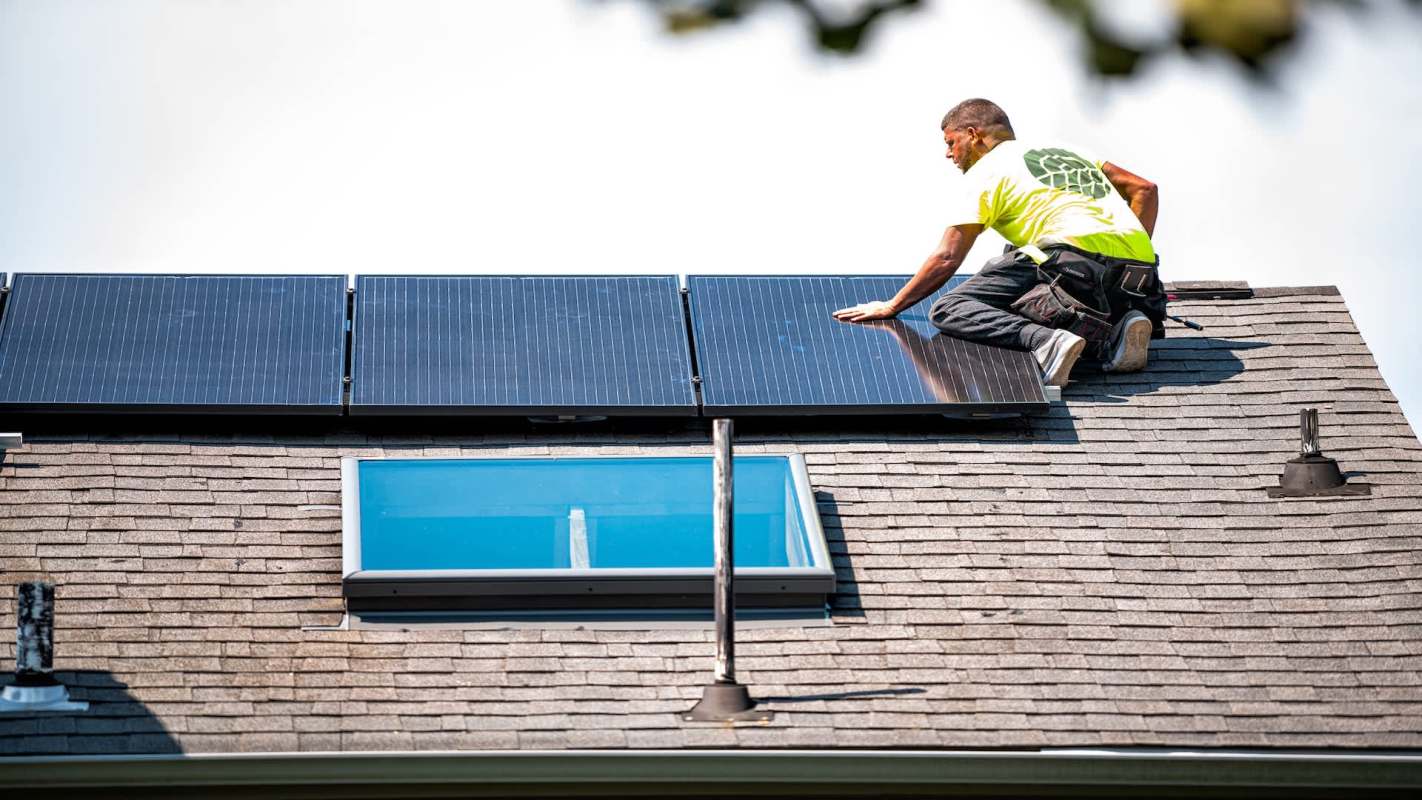
A proposed $67 billion tie-up between NextEra Energy and Dominion Energy has sparked concern in Virginia, where rooftop-solar supporters worry household customers could lose out.
At the center of that worry is net metering, the billing policy that helps homeowners with solar panels reduce their electricity bills.
Here's what to know
According to WHRO's Virginia Center for Investigative Journalism, some Virginia solar advocates see risk in NextEra's attempt to acquire Dominion. Much of that concern stems from Florida Power & Light, the NextEra subsidiary known as FPL, which has supported efforts to shrink the credits homeowners receive for sending excess electricity back to the grid.
Those credits are central to how rooftop solar saves money in Virginia. Net metering was created under the 2020 Clean Economy Act, and if its value drops, homeowners may have to wait longer to recoup the cost of installing panels, making the investment harder to justify.
The companies announced the proposed merger in mid-May and filed for approval with the Virginia State Corporation Commission on July 15.
WHRO reported that NextEra has 3,160 megawatts of solar capacity across at least 27 states. Critics say that kind of scale in renewable energy does not automatically mean the company will support solar systems owned by individual customers.
TCD Picks » Quince Spotlight
💡These best-sellers from Quince deliver affordable, sustainable luxury for all




More background
Rooftop solar has long clashed with the incentives of investor-owned utilities. When households generate some of their own electricity, utilities sell less power and have less control over how the energy system expands.
If net metering were weakened, the impact would hit household budgets directly, particularly for homeowners who already spent thousands of dollars on rooftop equipment expecting dependable bill credits.
Florida is one example of why advocates are uneasy. In 2022, FPL backed a measure there that would have cut net-metering credits and raised the fee homeowners pay to connect to the grid, but Republican Gov. Ron DeSantis vetoed it before regulators could change the benefits.
Advocates in Virginia are also concerned that a merged utility could steer policy toward large, utility-run projects and away from customer-owned systems, which could squeeze smaller third-party solar installers. They argue that would reduce competition and make it more difficult for ordinary households to benefit from clean energy independently.
What's being done?
The merger is still being reviewed in Virginia, giving regulators an opportunity to examine what the deal could mean for rooftop-solar customers and the companies that install home systems.
Rooftop-solar supporters are also highlighting the records of both FPL and Dominion, which critics say have each tried to limit net-metering benefits.
Virginia's current net-metering rules remain in place, but rooftop-solar advocates will be watching closely to see whether regulators preserve the savings that have helped make home solar workable.
As Robin Dutta, executive director of the Chesapeake Solar and Storage Association, said in an interview: "Everyone in my network is aware that Florida Power & Light is considered the most hostile with residential solar. That's their reputation."

Get TCD's free newsletters for easy tips, smart advice, and a chance to earn $5,000 toward home upgrades. To see more stories like this one, change your Google preferences here.






