Two police officers in Lynn, Massachusetts, have been placed on paid administrative leave after an audit of searches run through the department's Flock automated license-plate reader system flagged what police described as a "concerning pattern."
The development prompted new questions about how the surveillance technology is monitored and what safeguards are in place.
Here's what to know
Lynn police began using Flock Safety's Audit Assist tool on August 12. Its first audit flagged anomalies, which led the department to open an Internal Affairs investigation, according to The Daily Item.
Officials said the searches under scrutiny were not tied to immigration enforcement. The department has not named the two officers or disclosed details about the searches, and it said a "thorough and impartial investigation" will be completed before deciding whether any department policies were broken.
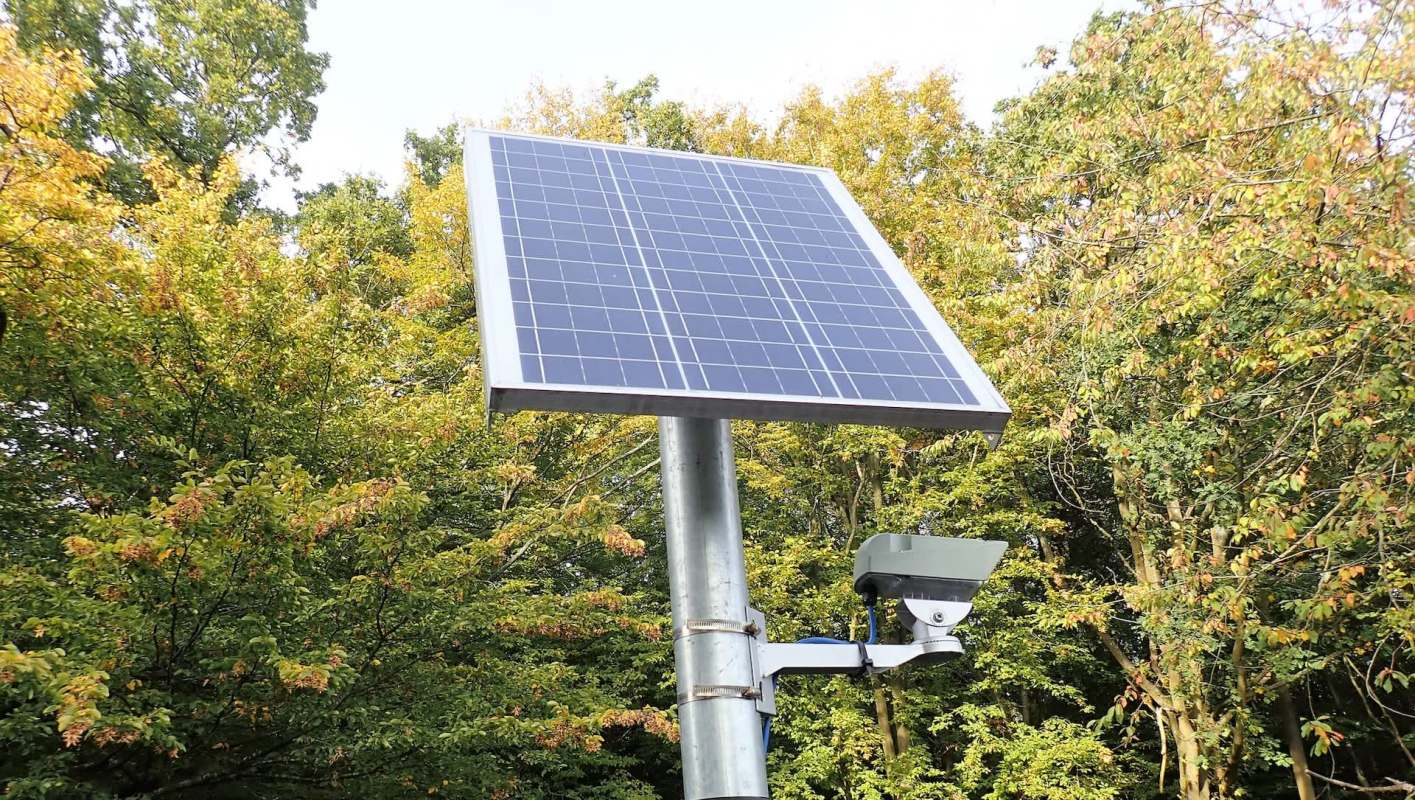
Lynn has 25 Flock cameras set up along major traffic corridors. Police Chief Christopher P. Reddy said the cameras are fixed in place, capture the rear of vehicles and their plates, and keep images for 30 days.
More background
Police have said the system can be used to find wanted people, aid criminal investigations, locate missing individuals, and sometimes exonerate people who were falsely accused.
TCD Picks » Quince Spotlight
💡These best-sellers from Quince deliver affordable, sustainable luxury for all




The department also acknowledged that those benefits depend on searches being made only for valid law enforcement reasons.
Automated plate-reader networks can collect enormous amounts of location-linked information, even when the vast majority of drivers are not suspected of wrongdoing. That level of surveillance has led many communities to rally against Flock Safety's cameras.
Misuse of the technology is another major concern, with high-profile examples of officers being accused of using the database improperly for personal reasons. While it's unclear what occurred in Lynn, it is concerning that the behavior was flagged.
What's being done?
During the investigation, Lynn police have narrowed access to the Flock system so that only supervisory personnel with the rank of lieutenant or higher may use it, according to The Item.
The department is also reevaluating the city's license-plate reader policy to make sure safeguards, accountability measures, and oversight procedures are in place. It has required regular ongoing use of Audit Assist so questionable searches can be spotted and reviewed more quickly.
The department said it will weigh further policy, training, and auditing steps, suggesting the case could bring changes to how the system is managed.
"With those benefits comes the responsibility to engage in ongoing policy review to ensure that advances in technology are met with relevant and effective safeguards pertaining to its use," the department concluded, per The Item.

Get TCD's free newsletters for easy tips, smart advice, and a chance to earn $5,000 toward home upgrades. To see more stories like this one, change your Google preferences here.