


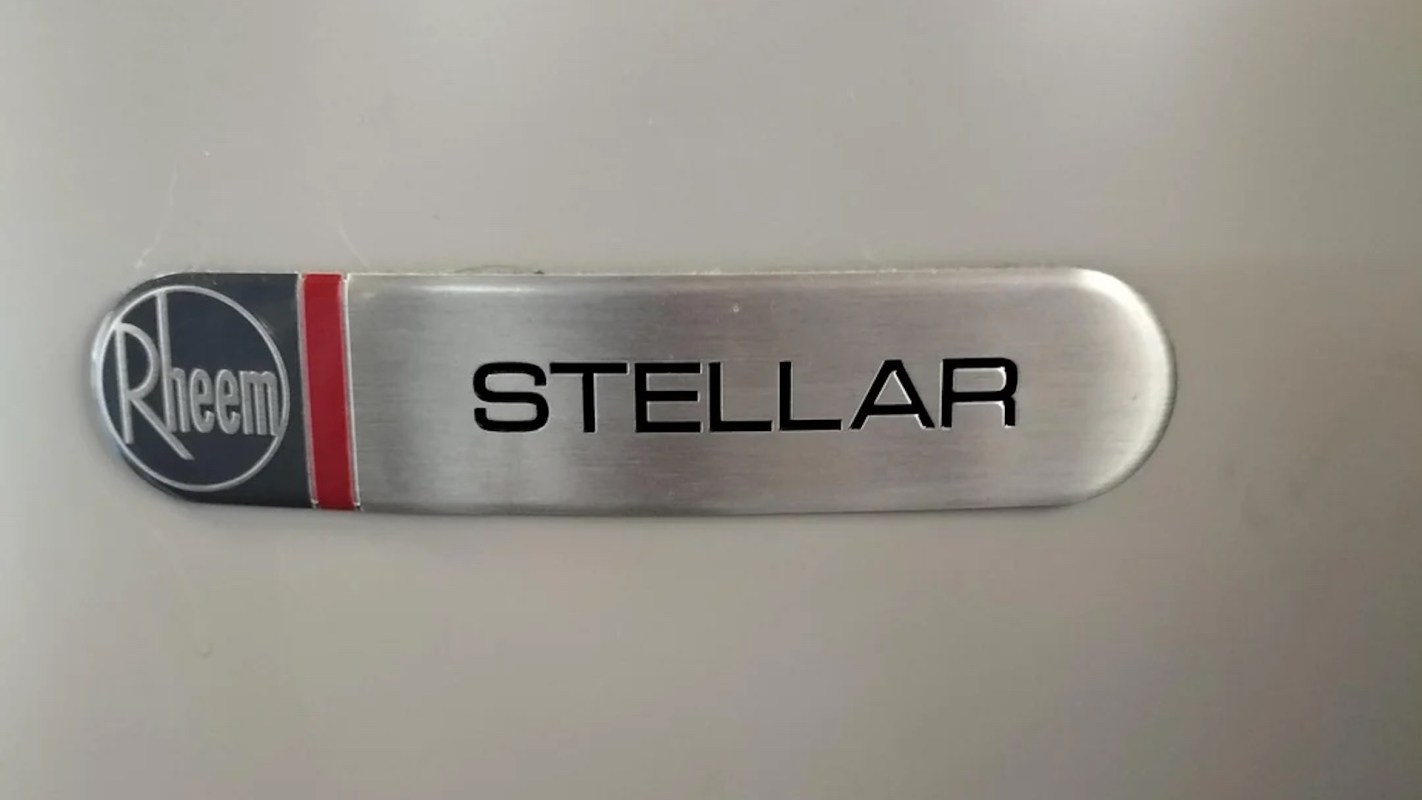
An Australian homeowner's complaint about a supposedly durable "stainless" hot water unit is striking a nerve online after they said the system burned through four heating elements in about five years.
Upgrading to a heat pump water heater can often reduce the electricity needed to heat water, which may translate into meaningful savings on energy bills compared to standard electric resistance systems.
Here's what to know
The problem was described in a Reddit post, where the owner said a Rheem Stellar stainless 66-gallon (250-liter) hot water service installed in 2021 had already needed four elements.
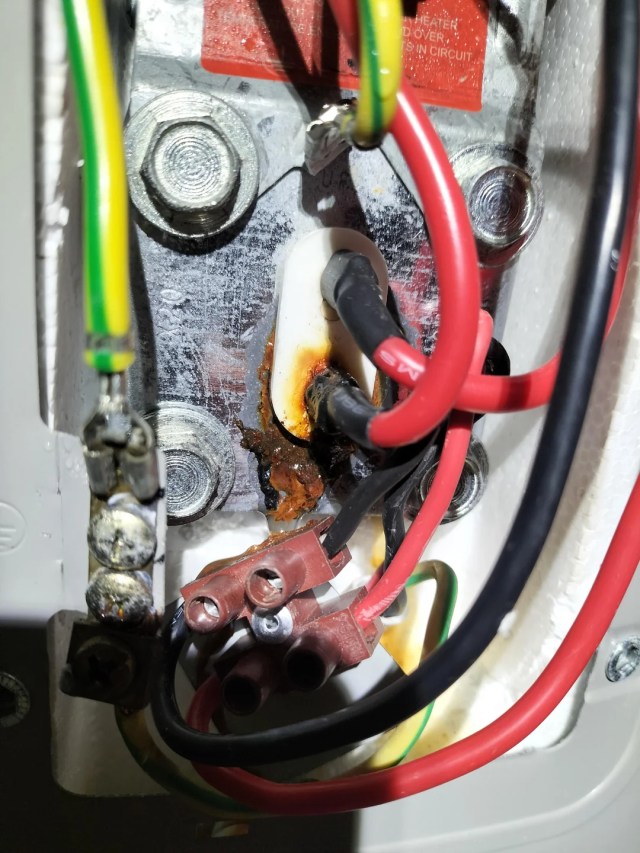
They said, "Since that time it has burned through 4 elements. Not very stellar," and said the newest issue involved "water leaking out of the electrical connections of the element."
The homeowner said Rheem had little to offer beyond noting that the failures "shouldn't be happening." The poster also said the thermostat had been replaced several times and set correctly, while an electrician told them the first three elements had corroded and failed internally.
The homeowner also noted that the Rheem website said this model does not use a sacrificial anode.
"Get a water quality test done and go from there," one user suggested.
Another added: "The newer models of these tanks they have now have anodes."
Save $10,000 on solar panels without even sharing your phone number Want to go solar but not sure who to trust? EnergySage has your back with free and transparent quotes from fully vetted providers in your area. To get started, just answer a few questions about your home — no phone number required. Within a day or two, EnergySage will email you the best options for your needs, and their expert advisers can help you compare quotes and pick a winner. Solar panels can save you more than $50k over their 25-year lifespan, and EnergySage can help you save as much as $10k on installation. Which begs the question — isn't that worth an email or two? |

More background
A homeowner bought what was supposed to be a long-life water heater and instead ended up stuck in an expensive repair cycle.
The homeowner said they had "spent more in five years on elements than the HWS itself."
Repeated part replacements can also mean more material waste, more service calls, and more avoidable hassle for households. That can be especially frustrating when a product is marketed around longevity and corrosion resistance.
Element choice became part of the discussion as well. The OP explained, "The last element we got was 'Incoloy' (sp?) which the sparky said was the best option," while other commenters suggested titanium might work better and said water quality, missing anodes, or mismatched materials could be speeding up the failures.
What can be done?
A few practical steps surfaced in the thread: testing water quality, confirming that the correct element material is being used, and checking whether the unit's design is a good match for local conditions. If a system keeps failing, replacement may make more sense than yet another repair.
For households ready to move on from a conventional setup, Cala offers another option. Homeowners weighing a replacement after repeated breakdowns may want to look into Cala, whose smart heat pump water heaters can help homeowners reduce their energy bills by heating water exactly when it's needed.

Get TCD's free newsletters for easy tips, smart advice, and a chance to earn $5,000 toward home upgrades. To see more stories like this one, change your Google preferences here.







