


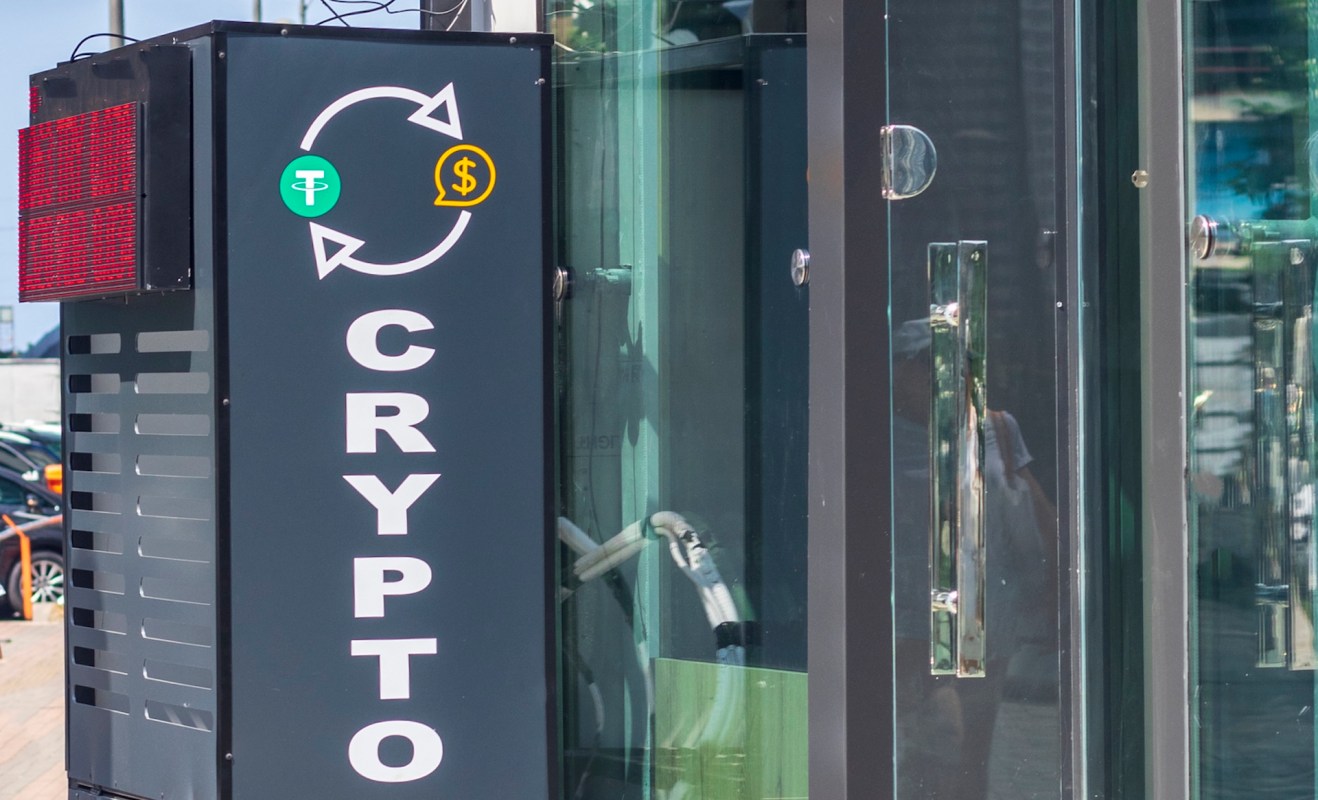
A growing number of Massachusetts municipalities are trying to get cryptocurrency kiosks out of gas stations and convenience stores after complaints of scams kept mounting.
Now that 20 communities have enacted bans and more are considering them, pressure is building on Beacon Hill to decide whether the state should impose its own prohibition.
Here's what to know
The Boston Globe reported that hundreds of these machines have appeared statewide, letting customers convert cash to bitcoin within minutes.
One case highlighted by critics involved a Haverhill resident who was undergoing cancer treatment in July 2024. She was tricked into depositing $5,500 into a kiosk, including money from her prayer group and nearly all of her savings.
Massachusetts banking authorities provide far less oversight of these machines than they do for traditional bank ATMs, even though the kiosks allow users to send large amounts of cash to anonymous online accounts. When fraud occurs, victims may have little chance of recovering the money.
Massachusetts is also following a broader national pattern. AARP says at least 35 states have passed laws regulating crypto kiosks, and five have banned them completely. Every New England state other than Massachusetts has some kind of regulation, and Vermont has adopted a full ban.
TCD Picks » Quince Spotlight
💡These best-sellers from Quince deliver affordable, sustainable luxury for all




More background
As losses have continued to rise, more Massachusetts communities have joined the push. Municipal bans now include Ipswich and Gloucester on the North Shore, Revere near Boston, and Westfield and Longmeadow in western Massachusetts. Still, local leaders say town-by-town action can only go so far.
A Globe investigation tied roughly half a million dollars in losses to seven machines in Haverhill, helping push the issue further into the spotlight. The Massachusetts Senate later approved a statewide ban as part of a larger economic development bill, leaving a six-member conference committee to decide whether the provision survives in the final bill.
Sen. Barry Finegold, an Andover Democrat who chairs the Senate Committee on Economic Development and Emerging Technologies, has backed the proposal.
He said, "Scammers are using cryptocurrency ATMs to target our most vulnerable community members and draining them of their hard-earned savings."
Sen. Peter Durant, a Republican who has called himself a supporter of cryptocurrency, has also said he backs a ban.
What's being done?
Local officials are still pressing ahead as they wait for action from the Legislature. Beverly City Councilor Keith Sonia has pushed for a ban in his city after multiple fraud cases, including one in which a 70-year-old woman lost $120,000 over four years while traveling to nearby communities to make deposits.
Other communities are trying to build regional momentum. Easthampton City Councilor Felicia Jadczak said, "My hope would be that if something like this would pass, then the surrounding cities and towns would follow our lead."
Bridgewater Town Councilor Michaela Spagone made the case for broader intervention.
She said, "This is not just a local issue. It is a state-wide issue which garners the need for state-wide protection."
Kiosk operators, however, argue that a ban is too sweeping a response.
A spokesperson for Coinflip said, "Banning crypto kiosks won't stop fraud. Instead, it pushes scammers toward channels with fewer safeguards."
For many local officials, that argument now sits at the center of the debate. Sonia said, "They are a great tool — if you are a scammer."

Get TCD's free newsletters for easy tips, smart advice, and a chance to earn $5,000 toward home upgrades. To see more stories like this one, change your Google preferences here.






