


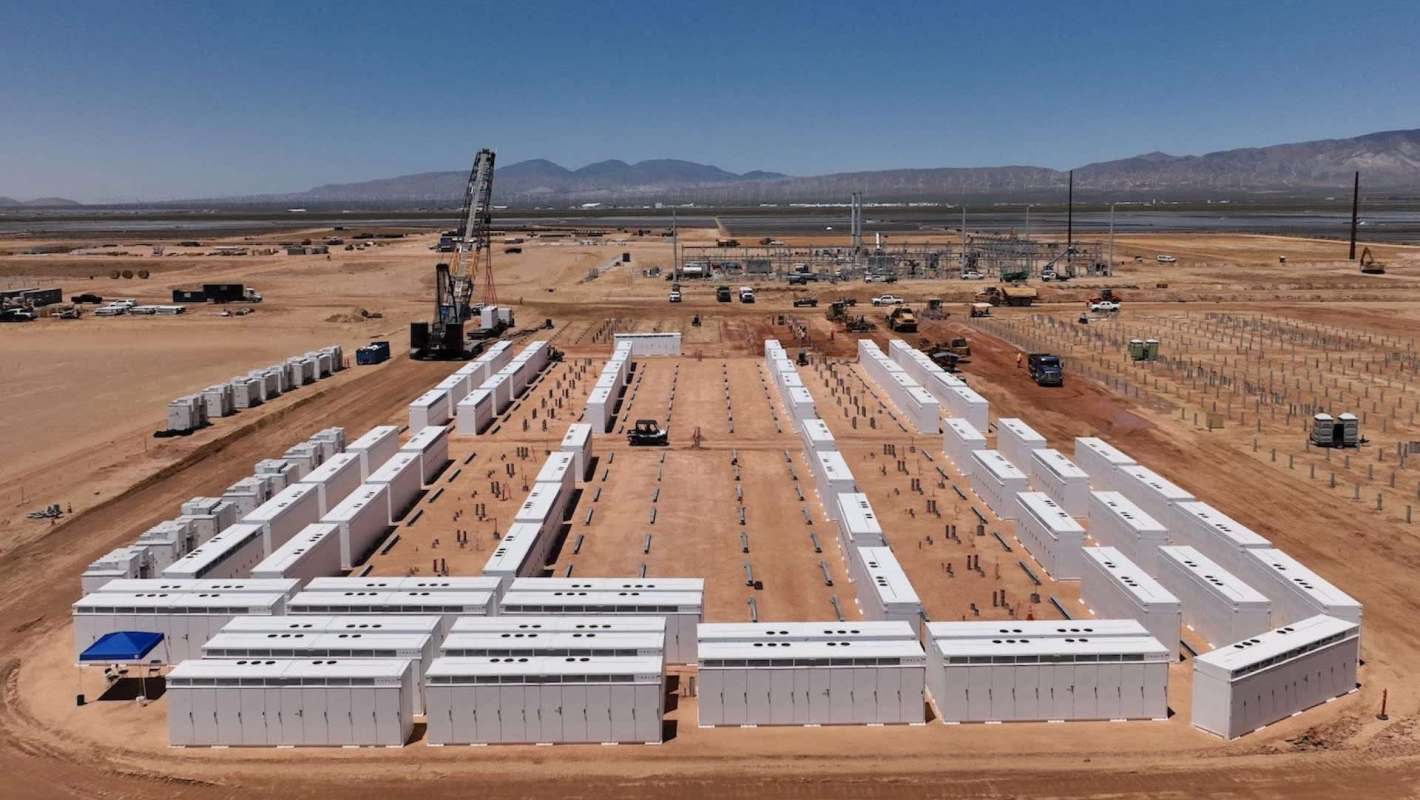
Utility-scale batteries on the U.S. grid totaled a new high of nearly 52 gigawatts in June 2026, with developers already lining up additional projects.
This is important because batteries can help keep solar power useful after sunset, ease pressure on the grid during high-demand hours, and potentially lower electricity costs over time for customers.
Here's what to know
Using U.S. Energy Information Administration figures, PV magazine reports that U.S. utility-scale battery storage has been expanding at roughly a 70% annual rate.
At the end of 2025, the country had 43.6 GW of battery storage in operation, per EIA data. Developers then brought another 8.3 GW online during the first half of 2026.
By June 2026, that lifted total nameplate battery storage capacity to nearly 52 GW. A big part of the increase reflects the rapid growth of utility-scale solar, because many of the largest battery installations are paired with solar photovoltaic projects.
The same EIA data shows a large queue still ahead. Developers told the agency they expect to add another 54 GW of battery storage by 2028, including about 14 GW in the second half of 2026, 26 GW in 2027, and 14 GW in 2028, according to pv magazine USA.
TCD Picks » Quince Spotlight
💡These best-sellers from Quince deliver affordable, sustainable luxury for all




If that pipeline is completed as planned, operational U.S. battery storage capacity would climb past 105 GW by the end of 2028.
More background
Battery storage has become one of the most important tools for making clean electricity more practical.
Solar panels generate the most power during the day, but homes and businesses often need the most electricity in the evening, when people return home, cook dinner, and/or turn up the heat or air conditioning.
Batteries help bridge that gap by storing lower-cost electricity and sending it back to the grid later, when demand and prices are higher.
The result can be a more stable power system and, in some markets, less exposure to price spikes. For cities and companies, it can offer a better way to manage electricity costs while adding more renewable energy without wasting as much of it.
There are health benefits, too. When batteries help utilities rely less on fossil fuel peaker plants during high-demand periods, nearby communities can see less air pollution tied to power generation.
What's being done?
The buildout remains brisk, with developers aiming to add tens of gigawatts of storage through 2028. That makes solar more useful to the grid and more valuable to utilities and energy buyers.
A grid with more storage can better absorb renewable power, handle periods of heavy demand, and reduce some of the volatility that pushes electricity prices higher.
Businesses, schools, and local governments also have growing opportunities to use battery-backed energy systems to shave peak demand, improve resilience, and keep critical services running during disruptions.
If the current project pipeline stays on track, the U.S. will end 2028 with more than double its June 2026 operational battery storage capacity, giving solar generation a bigger role on the grid after daylight hours.

Get TCD's free newsletters for easy tips, smart advice, and a chance to earn $5,000 toward home upgrades. To see more stories like this one, change your Google preferences here.






