


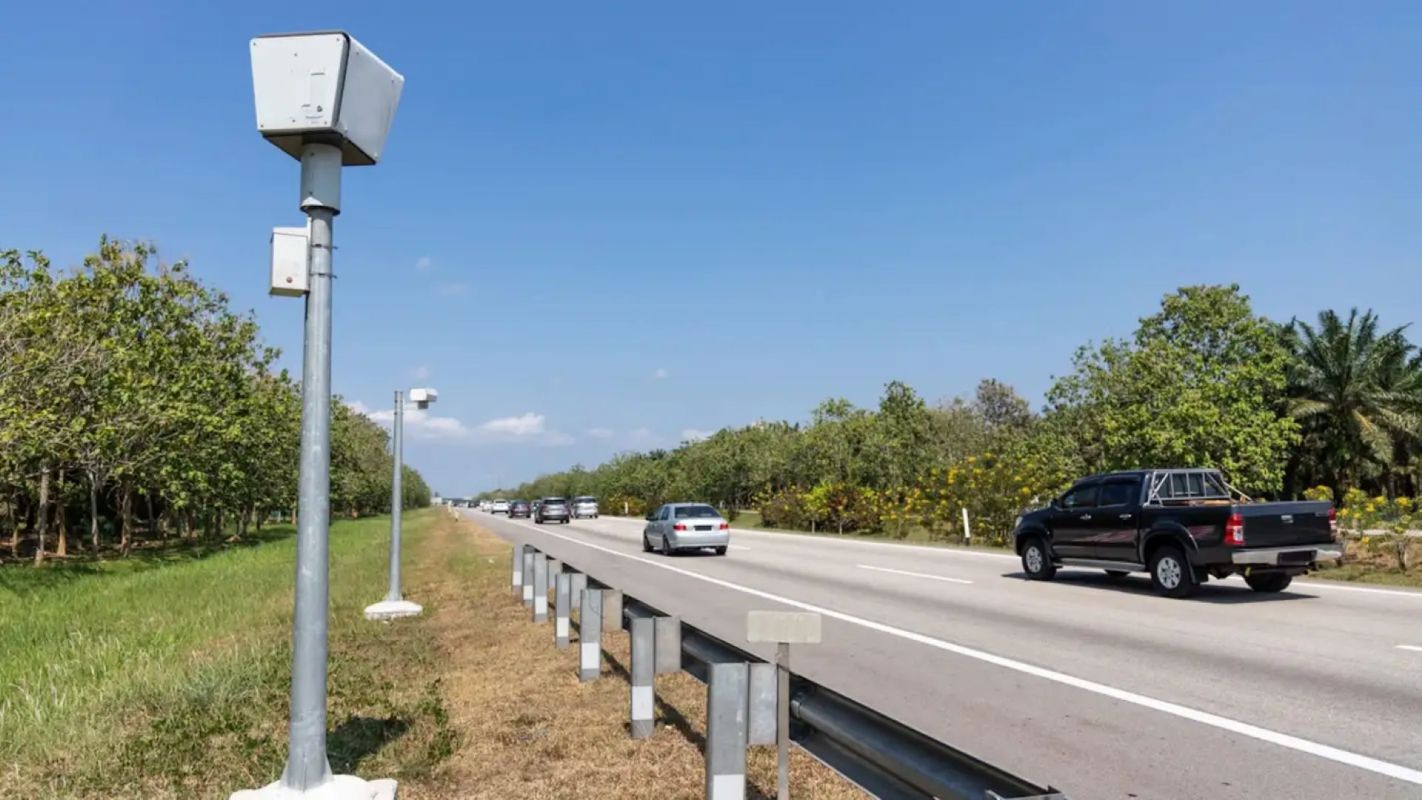
An unfamiliar camera above West Avenue drew the attention of Rhode Island police officer Noel Pichardo while he was working a shift in Pawtucket's District Five in early fall 2023, as Wired reported.
That moment highlights broader concerns about surveillance tools and the limits of the oversight systems supposed to keep them and their users in check.
Here's what to know
These systems do more than capture an image of a passing car. License plate readers can log a plate number, the time and place a vehicle appeared, and other identifying information, producing a searchable history investigators can use to map where that vehicle has been.
Departments frequently describe the technology as a way to solve crimes and flag vehicles tied to investigations. Critics focused on privacy have argued for years that the same databases can be abused when agencies lack firm limits on who may run searches, which reasons qualify, and how those searches are examined afterward.
What made this episode notable was that the unusual device was spotted by a patrol officer who noticed something unfamiliar in the area he policed.
More background
Because the technology can store where and when vehicles are seen, routine travel by people who are not suspected of any wrongdoing can still be recorded and tracked.
TCD Picks » Quince Spotlight
💡These best-sellers from Quince deliver affordable, sustainable luxury for all




One issue is the kind of oversight that surrounds access. When audits are weak, uneven, or viewed as unimportant, the public may have no way to know if rules are being followed, if searches are justified, or if violators are held accountable.
Public trust is part of the equation too, particularly in places where residents are already balancing safety concerns against privacy and civil liberties worries.
What's being done?
Episodes such as this increase pressure for stronger safeguards on surveillance technology. Inside a department, that can mean clearer written policies, tougher standards for searches, regular reviews by supervisors, and detailed logs that cannot be bypassed.
Cities can also act by requiring public reporting on camera locations, data-retention periods, who has access, and whether information is shared with outside agencies. Independent audits may further show whether those safeguards exist only as policy language or are enforced.
Like other similar revelations and documented misuses of automatic license plate readers, Pichardo's discovery prompted questions about privacy and whether searches, data sharing, and rules enforcement are being monitored with any consistency. There was no public vote about the Flock cameras, Wired reported
Pichardo said freedom was "the ability to drive somewhere and no one knows where you're going."

Get TCD's free newsletters for easy tips, smart advice, and a chance to earn $5,000 toward home upgrades. To see more stories like this one, change your Google preferences here.







