


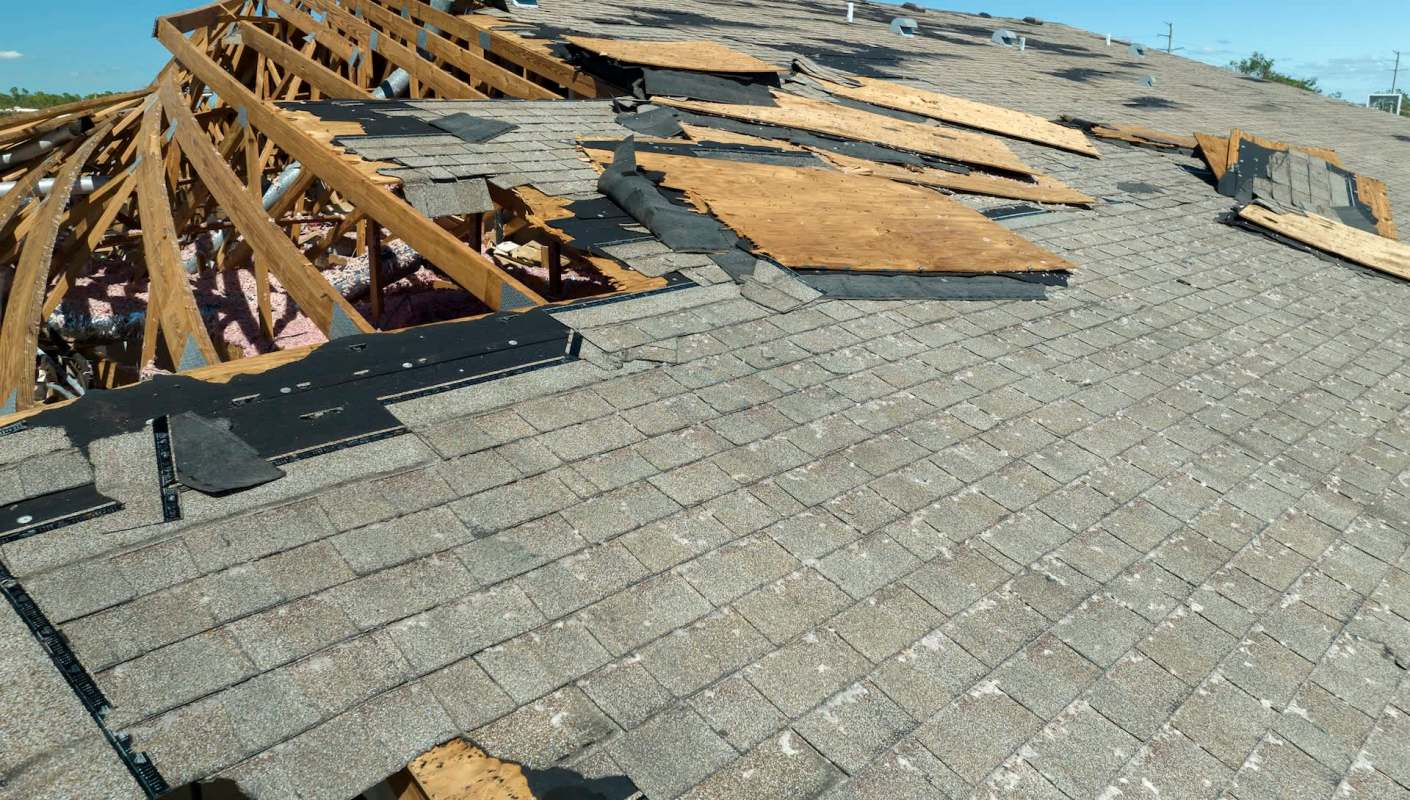
In the aftermath of Indiana's powerful derecho and widespread flooding, state officials are warning that homeowners may face a second wave of damage in the form of repair scams.
For families trying to rebuild as quickly as possible, that pressure can be costly.
A single rushed signature can turn storm damage into an even bigger financial setback, according to Insurance Journal.
Here's what to know
As residents search for contractors and work through storm repairs, the Indiana Attorney General's office says they should move carefully.
Indiana Attorney General Todd Rokita warned that scammers often take advantage of homeowners who feel urgent pressure to restore their property and deal with insurance claims.
Indiana has legal requirements meant to protect homeowners in these situations.
TCD Picks » Quince Spotlight
💡These best-sellers from Quince deliver affordable, sustainable luxury for all




Under guidance cited by Insurance Journal, any residential repair or home improvement agreement above $150 must be in writing and list the total contract amount.
The agreement also must include a reasonably detailed description of the work, estimated start and completion dates, the contractor's contact information, and identifying address information for both the homeowner and the property.
Those written agreements must also disclose whether subcontractors or other outside parties will provide materials or perform parts of the work.
Indiana homeowners also generally have three business days to cancel a home improvement contract, and if the project later changes, the contractor must provide a written change order signed by both parties.
More background
Indiana officials said residents should watch for several common warning signs, including pressure to sign right away, deals that rely on verbal promises rather than complete written terms, and offers to waive or reduce an insurance deductible.
The Attorney General's office noted that contractors cannot serve as public adjusters, and homeowners should be wary of anyone claiming "FEMA will pay for everything" or promising to handle the full insurance claim without the homeowner's approval of changes.
The Attorney General's office flagged requests for large upfront payments, demands for full payment before the work is done, and failures to identify subcontractors.
Homeowners are also being warned about offers of referral discounts or five-star-review incentives that would effectively cover part of a deductible.
According to the Attorney General's office, violating Indiana's Home Improvement Contracts Act may constitute deceptive conduct under the state's Deceptive Consumer Sales Act.
That means a contractor or company could face actual damages, attorney's fees, and injunctive relief.
What can be done?
One of the strongest protections is documenting everything.
Contracts should fully explain the work to be done, the timeline, the total price, and exactly who will be performing the job.
Any additional work added later should be documented in a written change order signed by both parties.
Copies of contracts, receipts, text messages, and emails could become essential if a dispute arises.

Get TCD's free newsletters for easy tips, smart advice, and a chance to earn $5,000 toward home upgrades. To see more stories like this one, change your Google preferences here.







