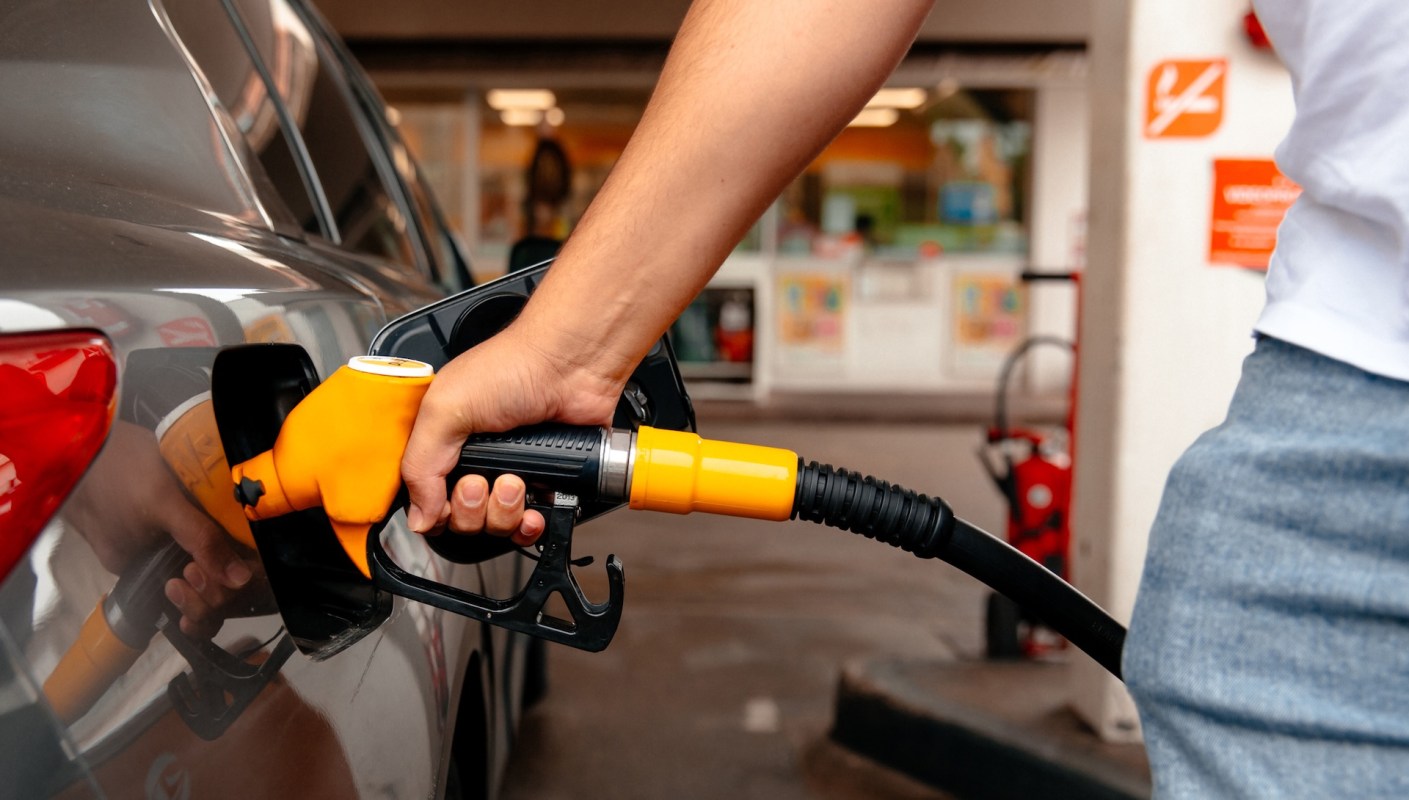
California drivers are getting a bit of relief at the pump, but not much. According to new data, the statewide average for regular gas is well above the national average at $5.57 a gallon.
Here's what to know
According to AAA data cited by the Sacramento Bee, regular gas in California averaged about $5.57 per gallon in the middle of August, versus $4.06 nationally — a difference of around $1.51.
Federal inflation data cited by the outlet showed the Consumer Price Index for urban consumers increased 0.1% in July, while gasoline costs fell 2.9% compared with June.
Even with that decline, prices across much of California remain high. Among the highest averages reported by AAA were $5.83 in San Luis Obispo-Atascadero-Paso Robles, $5.70 in Napa and Salinas, $5.68 in San Diego, and $5.67 in San Francisco.
Yuba City was among the lowest in the state at $5.20 per gallon, though that is still well above the national average.
In early August, GasBuddy, as reported by the Sacramento Bee, pegged the U.S. average at $3.94 a gallon, 10.7 cents lower than during the previous week, but Patrick De Haan, the company's head of petroleum analysis, said the calmer trend could prove temporary as the U.S. war with Iran continues.
TCD Picks » Quince Spotlight
💡These best-sellers from Quince deliver affordable, sustainable luxury for all




"However, the wild ride continues," De Haan said to the outlet. "Iran is pushing back against a reopening of the Strait of Hormuz."
AAA described the broader dynamic this way, as the outlet reported: "While gasoline demand is down, crude oil prices are keeping pump prices higher than normal for this time of year."
More background
California gas prices have climbed since late February amid heightened tensions in the Middle East and concerns over global oil supplies.
Higher transportation costs can also push up prices for groceries and other essentials, adding to broader affordability concerns.
The fossil fuel industry's impact extends well beyond expensive gas. Oil and gas extraction, refining, and burning worsen extreme weather disasters that destroy homes, livelihoods, and local economies.
They also contribute to air and water pollution while locking families into volatile energy costs even as corporate profits soar.
Industry lobbying has also helped delay cleaner, cheaper energy solutions that could better protect public health and household budgets.
California's price gap also reflects drivers' dependence on petroleum markets they cannot control. When crude prices rise, or supply fears intensify, families are often left paying more almost immediately.
What can be done?
In the short term, drivers looking to save money can shop around. GasBuddy's website is designed to help motorists compare local station prices and find the cheapest gas in their area, the Sacramento Bee reported, which can add up to meaningful savings over multiple fill-ups.
Other small steps can also help stretch a tank further, including combining errands, avoiding unnecessary idling, keeping tires properly inflated, and carpooling when possible.
For households with access to public transit, biking, or walking for some trips, cutting gasoline use can offer at least some protection against price spikes.
Moving away from fossil fuel dependence is one of the clearest ways to shield households from these sudden swings. For many drivers, that means switching to an electric vehicle, which is usually significantly cheaper to operate and charge compared to their gas-powered counterparts.

Get TCD's free newsletters for easy tips, smart advice, and a chance to earn $5,000 toward home upgrades. To see more stories like this one, change your Google preferences here.