


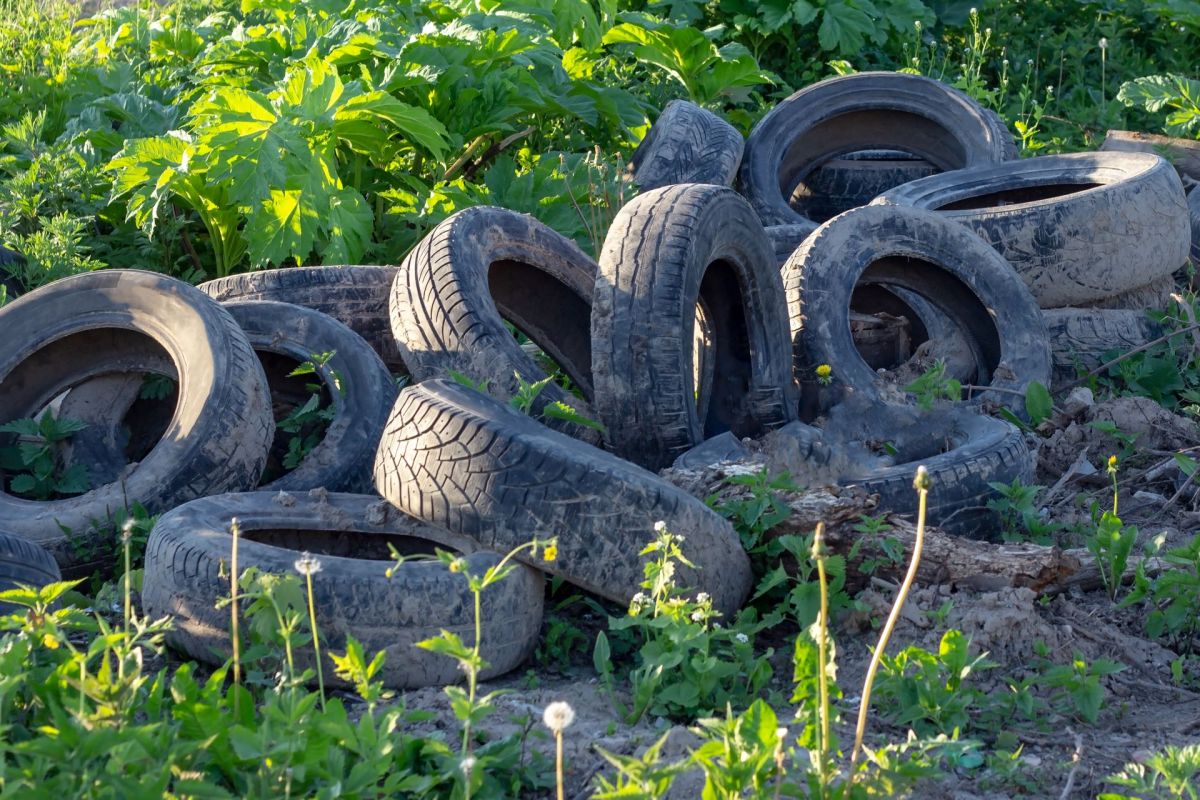
A tire chemical connected to repeated salmon die-offs in Washington is under growing pressure to be replaced, although safer alternatives are probably years from appearing in stores.
Around places such as Puget Sound, road runoff continues to kill coho salmon before they can spawn.
Here's what to know
Researchers eventually identified 6PPD-quinone, the substance formed when the widely used tire additive 6PPD reacts with ozone, as the culprit behind a decades-long mystery in Washington streams, Chemical & Engineering News reported.
Alexei Calambokidis, Trout Unlimited's Washington policy director, described it this way: "When they'd return to the fresh water as adults, a lot of them would flip upside down, start sort of gasping at the surface, and die before spawning."
A concentration below 0.1 micrograms per liter of 6PPD-quinone was enough to kill 50% of coho salmon within 24 hours.
Researchers have also found severe toxicity in other species, including brook trout, rainbow trout, and white-spotted char. Strong salmon runs help support food webs, local fisheries, and communities that depend on healthy waterways.
TCD Picks » Quince Spotlight
💡These best-sellers from Quince deliver affordable, sustainable luxury for all




More background
Part of the difficulty is that 6PPD has been useful for a long time. Tire makers have relied on it for about 50 years because it shields rubber from ozone damage, reducing cracking and early tire failure.
That means any replacement must do two things at once: lower the risk to wildlife while preserving the durability and reliability drivers expect.
If a substitute performs worse, it could create a different road-safety problem.
Regulators have been pressing the industry to move faster.
In 2023, California designated tires made with 6PPD as a "priority product," starting an alternatives analysis.
Washington lawmakers have proposed a 2035 deadline for getting an acceptable replacement into tires sold in the state.
At the same time, the US Tire Manufacturers Association has widened its review from seven possible substitutes to 24, and another report is expected to be sent to California in October.
What's being done?
One of the leading candidates is CCPD from Lanxess, which manufactures 6PPD. According to C&EN, Lanxess said customers are already assessing the compound in prototype tires.
Tobias Lauterbach, a global marketing manager at Lanxess, said its performance is "on the same level as 6PPD."
He also said the switch would require some adjustment rather than happening automatically.
"You will have some minor compounding work to do," Lauterbach said, referring to changes needed in the tire-mixing process.
Other firms are exploring separate paths, according to C&EN. Flexsys said it created a non-PPD, non-quinone-forming candidate and expects to release more information this year. Sennics has introduced its own option, SA6000, and researchers are also studying specialized graphene either as a replacement or as a way to reduce the amount of chemical antiozonants required.
There is no direct fix for the problem at its source. Meaningful progress will hinge on regulators, manufacturers, and continued testing to ensure the eventual answer protects drivers while also safeguarding fish in nearby streams.
As Flexsys chief technology and sustainability officer Neil Smith put it, the bottom line remains clear: "Tires are not going to be less safe. Tires are not going to have shorter service lives."

Get TCD's free newsletters for easy tips, smart advice, and a chance to earn $5,000 toward home upgrades. To see more stories like this one, change your Google preferences here.






