


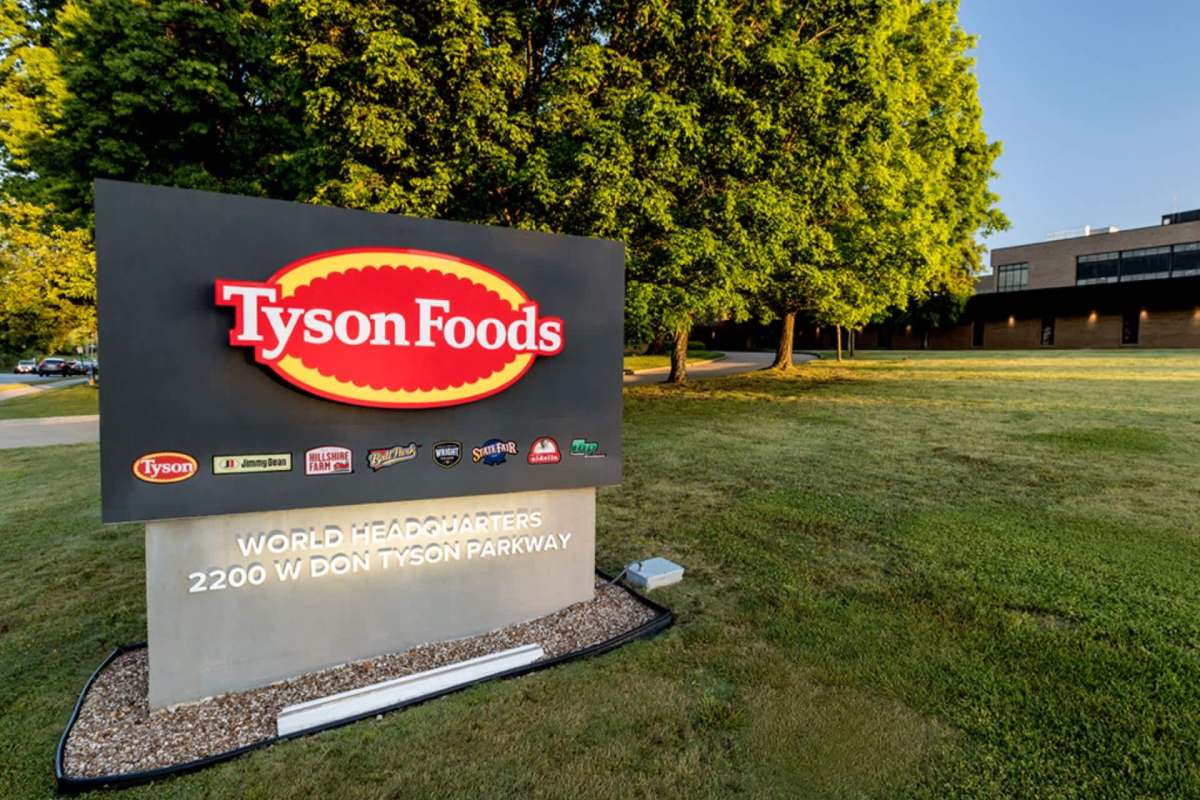
With the U.S. cattle inventory at its lowest point in roughly 75 years, Tyson Foods is closing three beef processing and packaging facilities — in Eagle Mountain, Utah, Pasco, Washington, and Joslin, Illinois.
That combination could have consequences far beyond the plants themselves, potentially affecting ranchers, trucking routes, and grocery budgets as drought and trade disruptions continue to pressure the nation's beef supply.
Here's what to know
According to KCBD, the shutdowns are happening during a prolonged beef shortage linked to a smaller national cattle herd.
In comments to the station, Texas Tech Agriculture economist Darren Hudson said producers have been dealing with a mix of ongoing drought, rising feed expenses, and border-related supply problems.
"So you had domestic cattle down, and still down, and then you halt imports coming in from the border," Hudson said. "And it's just sort of a double whammy, if you will, on the total supply."
Illinois farmer Tim Gould told the station the fallout may extend well beyond cattle producers. Shipping livestock and products to more distant locations can drive up transportation costs, and trucking companies and other businesses connected to those Tyson plants could also lose work.
TCD Picks » Quince Spotlight
💡These best-sellers from Quince deliver affordable, sustainable luxury for all




More background
Some states are feeling the pressure of the shifting cattle market.
Texas' outlook remains weak. KCBD cited the Texas A&M AgriLife Extension Service as expecting lower beef production in the state, potentially into 2028 because of drought in West Texas. The station also reported that the USDA designated six Texas counties as natural disaster areas on August 10, including Castro and Parmer counties.
KCBD said affected producers can apply for emergency government loans until March 10, 2027, and neighboring counties in Texas and New Mexico are also eligible.
Another source of pressure has been cattle trade with Mexico. KCBD reported that the southern border has been shut to Mexican cattle since November 2024 over screwworm concerns. In July 2026, the USDA said it would begin a phased reopening on Aug. 24 in Douglas, Arizona.
What's being done?
State and federal officials are trying to keep the industry moving while supply remains tight. Emergency loans could help some producers stay afloat, and the phased border reopening may ease at least part of the strain if feeder cattle begin moving again safely.
KCBD also reported that Texas Agriculture Commissioner Sid Miller said Tyson plans to strengthen operations in Amarillo and restore a second shift once cattle become available.
For consumers, one practical way to respond to price swings is to build more flexibility into weekly meal planning. Exploring lower-cost proteins, including beans, lentils, and newer meat alternatives, can help households spend less while reducing dependence on one strained supply chain.

Get TCD's free newsletters for easy tips, smart advice, and a chance to earn $5,000 toward home upgrades. To see more stories like this one, change your Google preferences here.







