


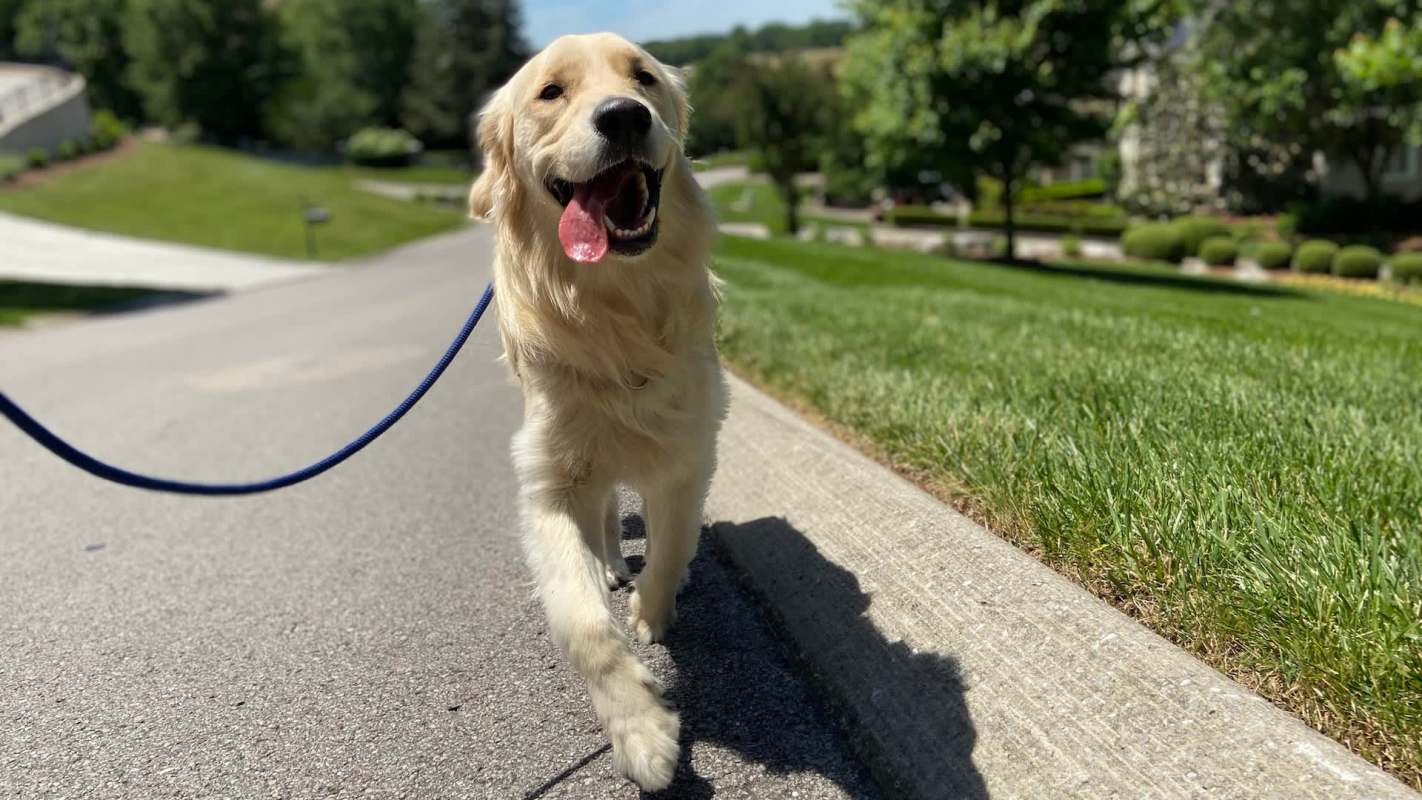
A Jacksonville family is celebrating after a rescued golden retriever survived a rare disease that can turn deadly for dogs exposed to contaminated water in Florida.
The dog, Trout, went through months of treatment, surgery, blood transfusions, and a lengthy hospital stay. Now, his owner hopes his recovery will help other pet owners recognize the warning signs sooner.
Here's what to know
According to News4JAX, Shayna Rogers rescued Trout in December after finding him near the Trout River on Jacksonville's Northside in alarming condition.
"He was probably 49 pounds when we got him in the same body. He's now 95 pounds, so he was in not great condition, but I figured he was just sick. You know, worms. Something that was making him malnourished," Rogers said.
Months of testing eventually showed that Trout had pythiosis, a rare fungal disease associated with warm, stagnant, or slow-moving water. That means ponds, swamps, wetlands, and other questionable water sources in Florida can present a risk.
Rogers said the diagnosis was devastating.
TCD Picks » Quince Spotlight
💡These best-sellers from Quince deliver affordable, sustainable luxury for all




"The vet said his prognosis was limited, and that's all I heard. I stopped hearing anything else. I just lost my mind for a second. And so we waited for biopsies to come back. And it was Pythiosis," she said.
The disease in dogs can affect the gastrointestinal tract or show up as skin lesions, and it can be difficult to treat once it takes hold. In some cases, it can be fatal.
More background
According to News4JAX, Trout's care included exploratory stomach surgery, several medications, and immunotherapy, and later complications kept him hospitalized for weeks.
Under an aggressive treatment plan with Dr. Walker, a specialist in Nassau County, Trout continued treatment.
"Now Trout was almost nothing. I mean, his Pythiosis numbers are lower than five, which is negative," Rogers said.
His case also drew attention to shortages in veterinary blood supplies.
Rogers said securing blood for Trout's transfusions required major effort, and limited supplies can make emergency treatment more difficult.
What can be done?
To reduce the risk, veterinarians advise keeping dogs away from stagnant or questionable water and not allowing them to drink from those sources.
It is also important to inspect paws and skin after walks through wet or muddy areas for cuts, irritation, or other injuries.
Digestive changes can also be a warning sign. Vomiting, diarrhea, and refusing food may seem easy to dismiss at first, especially in a rescue animal or a dog with other health concerns.
Getting veterinary care quickly can make a major difference, particularly when symptoms continue or worsen. Early action may not prevent every serious diagnosis, but it can improve the chances of getting answers before a condition becomes even harder to treat.
Although Trout will need lifelong monitoring, his family is focused for now on a milestone they once feared he might never reach.

Get TCD's free newsletters for easy tips, smart advice, and a chance to earn $5,000 toward home upgrades. To see more stories like this one, change your Google preferences here.







