


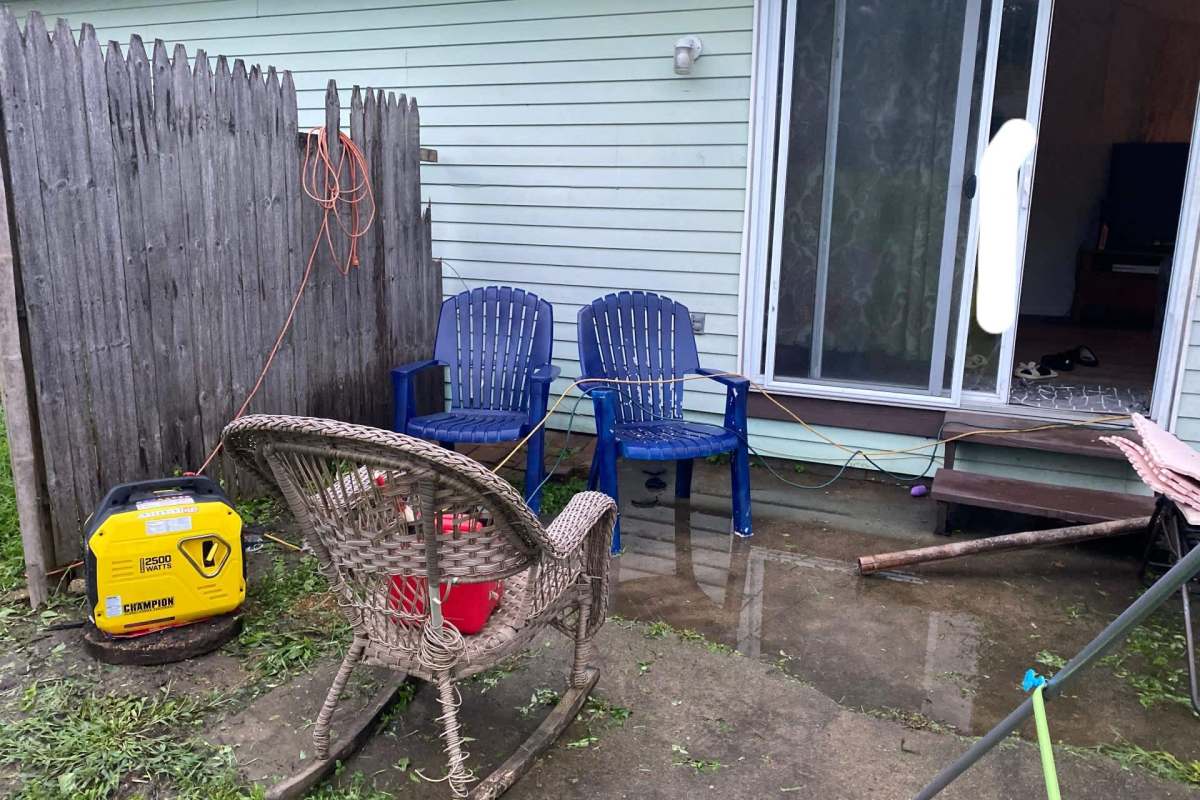
After several days without electricity, one homeowner took to the internet to ask whether their portable generator was far enough from the house to be used safely.
Responses quickly centered on two hazards, specifically carbon monoxide getting inside and an extension cord that could easily overheat.
Here's what to know
In a post to Reddit's r/Generator community, the original poster wrote, "Day four of no power and I've been freaking myself out trying to know if this is far enough away to be safe? My extension cord doesn't reach any further and the exhaust is pointing away from my house."
The OP then asked, "Is this a safe distance?" after posting a picture of their setup.
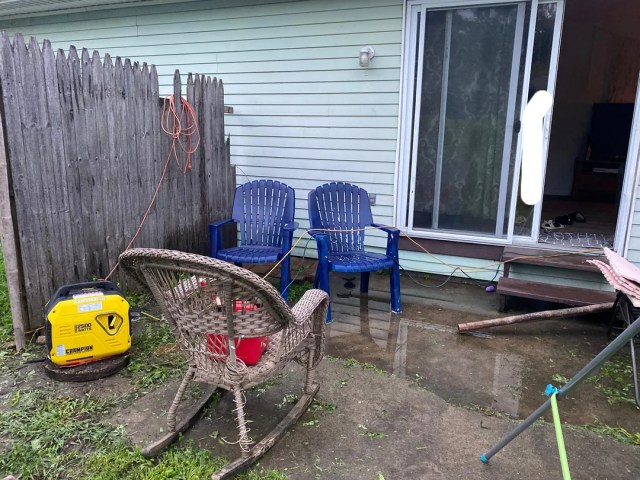
Most commenters said the arrangement was not a good one, especially with a sliding door nearby left open.
One commenter warned, "You need to close that sliding door and get a longer cord as soon as you can. This isn't 'you are going to die immediately' close, but it is 'that really should be further away with the door shut or a lot further away with the door open' close."
TCD Picks » Quince Spotlight
💡These best-sellers from Quince deliver affordable, sustainable luxury for all




Another commenter summed up the issue more sharply, writing, "The carbon monoxide detector is the safest part of your setup." People in the thread also highlighted a separate problem that can be overlooked during an outage.
One commenter told the original poster to feel the extension cord and plug after the generator had been running, adding that if either one felt warm, "you have too many things on that cord, and it could burn up."
More background
What raised concern in the thread was the combination of a short extension cord, an open door, and a generator placed where it seemed only barely far enough away.
Portable generators can be extremely useful during outages by keeping refrigerators running, charging phones, and powering medical devices or other essentials, but exhaust can still find its way indoors through doors, windows, or vents even when it is aimed away from the house.
That means a tool that helps prevent spoiled food and missed work can also create a serious safety problem if it is positioned poorly. Carbon monoxide poisoning due to generator problems kills between 85 and 100 people each year in the U.S., according to the Consumer Product Safety Commission.
A cord that gets too hot can also fail, harm electronics, or create a fire risk. In this case, the discussion focused on generator distance, airflow, whether doors were closed, carbon monoxide detection, and whether the extension cord could safely handle the electrical load.

Get TCD's free newsletters for easy tips, smart advice, and a chance to earn $5,000 toward home upgrades. To see more stories like this one, change your Google preferences here.






